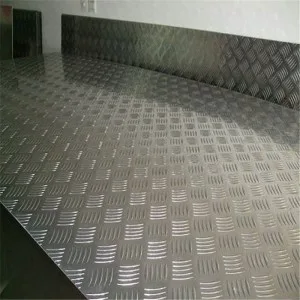
Aluminum Diamond Sheets Selection Guide | SUZHOU TOP METAL MATERIALS CO.,LIMITED

Aluminum Diamond Sheets for Floors and Panels

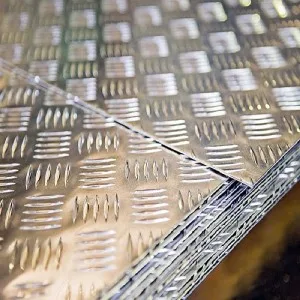
Aluminum diamond sheets are often specified for steps, platforms and equipment floors where a raised tread pattern is useful. The main decision is not just which pattern looks right: the sheet must suit the support beneath it, the expected load and the conditions on its surface.

Related Products

Commercial grade Aluminum Sheet

Commercial grade Aluminum Sheet

Aluminum and aluminum alloys are gradually becoming strong members in various modern industries at present. In the meantime, high quality products of common aluminum alloys are now playing an importan…

Read More

Compare diamond tread sheet options

Sheet selection

Compare sheets by base-metal thickness, alloy and temper, tread pattern, dimensions and finish. For floor panels, consider those details alongside the support layout rather than selecting by appearance alone.

Criterion What To Check Why It Matters Buyer Tip
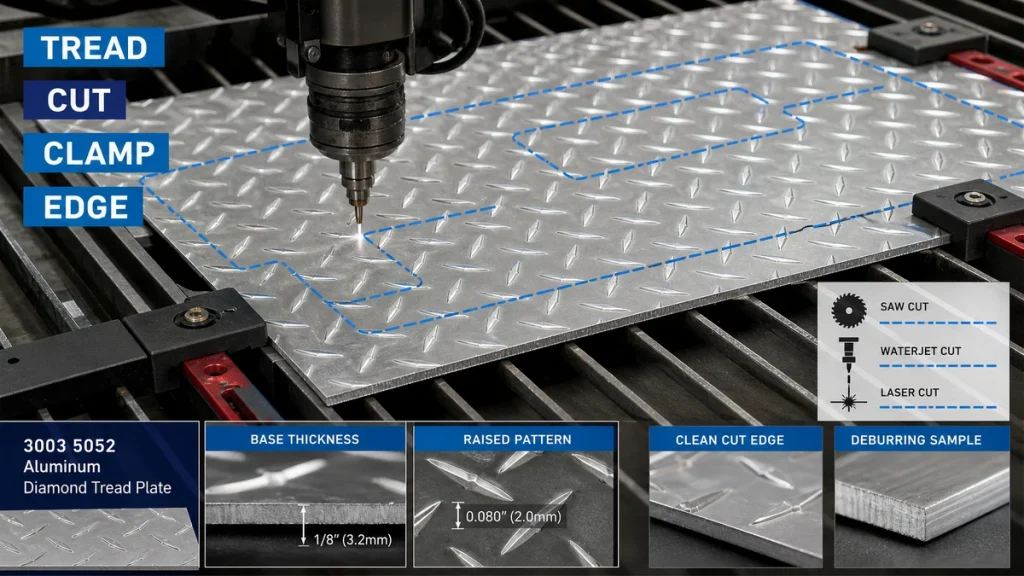
Base thickness versus raised height Confirm that the quoted thickness excludes the raised diamond pattern. Base thickness affects stiffness and weight; overall height affects clearance. Ask for both base thickness and overall height.
Diamond pattern and orientation Compare a pattern drawing or sample with the intended panel layout. Diamond size and direction change the appearance and where cuts fall. State which direction the diamonds should run on each finished piece.
Alloy and temper Confirm the proposed alloy and temper against the required bending or forming. A sheet that suits a flat panel may crack or distort during forming. Share bend locations and ask if the proposed material suits them.
Surface finish and exposure Identify whether the sheet will face moisture, cleaning chemicals or visible wear. The finish affects appearance and maintenance, while the alloy affects corrosion resistance. Describe the installation environment and ask which finish is appropriate.
Cut size and edge condition Specify finished dimensions, tolerances and any edges that remain exposed. Cutting can leave burrs or distort the pattern near an edge. Ask how cut edges will be finished and protected during handling.

Match the sheet to its support and exposure

A raised diamond pattern and a suitable structural thickness solve different problems. The pattern changes the walking surface, but it does not make a thin sheet suitable for an unsupported span. If people will walk on the sheet, assess slip risk under the actual conditions, including water, oil or debris, rather than treating the pattern as a slip-resistance guarantee.

Start with the application. A protective wall panel and a floor panel may use the same pattern but need different stiffness. For a walking surface, establish how the sheet will be supported and what loads it must carry before choosing a thickness.

Check how thickness is stated. Base-metal thickness and overall thickness across the raised pattern are not interchangeable; using the wrong one can affect weight estimates, clearances and fit with adjacent parts.

Think through fabrication before ordering. Cut edges, bends, holes and tread direction can affect how panels meet and how the finished surface looks. A layout drawing helps prevent a pattern that changes direction unexpectedly across adjoining sheets.

Match the alloy and finish to the exposure and cleaning routine, especially for outdoor or frequently washed surfaces. Then ask SUZHOU TOP METAL MATERIALS CO.,LIMITED which sheet options can meet the required dimensions, base thickness and finish rather than assuming every combination is available.

Criteria Importance Description Example Options
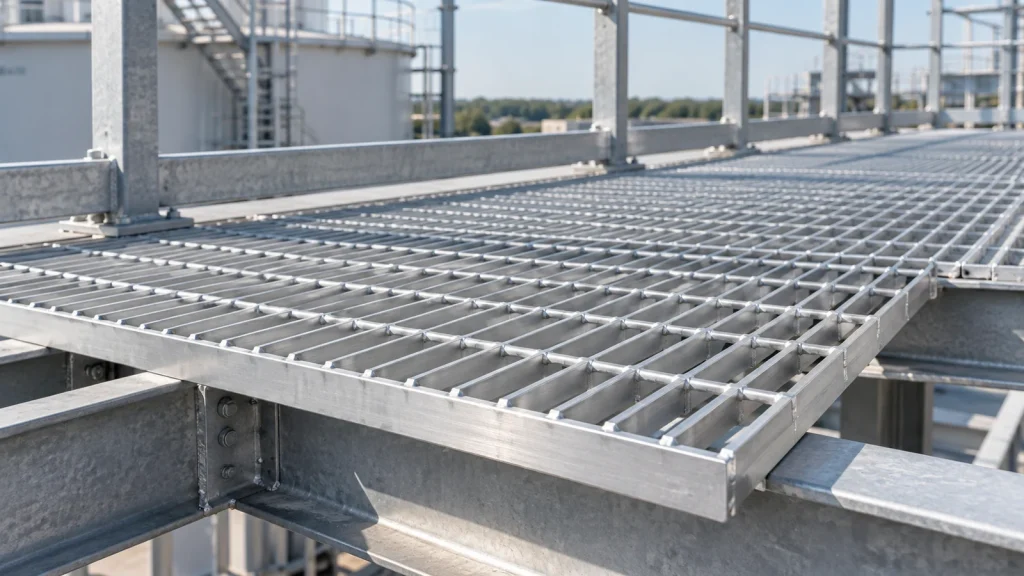
Continuous sheet versus open grating Choose according to what must stay on—or pass through—the surface. Diamond tread sheet forms a continuous panel; grating allows drainage and debris to pass through. A platform used with small-wheeled carts may call for a continuous surface; an area needing drainage may favor grating.
Concentrated versus distributed loads Load type affects the support and sheet selection. A wheel or equipment foot applies load differently from people walking across a panel. Assess the intended loads with the actual support layout. A narrow equipment wheel can create a more concentrated load than foot traffic.
Surface exposure Conditions at the surface affect traction and maintenance. Consider water, oil, debris and cleaning practices; a raised pattern alone does not establish slip performance. A frequently washed platform needs assessment under wet conditions, not just when dry.
Fabrication and panel layout Decide before cutting to avoid fit and appearance problems. Finished dimensions, holes, bends, exposed edges and tread direction can all affect how panels join. Adjacent panels can be laid out so their tread patterns run in the intended direction.

Product Selection

Related Options

For an equipment platform, the priority is a sheet that fits the frame and performs under the intended load. Confirm the support layout and cut sizes before settling on a tread pattern or finish.

Blog Articles / Reviews

Frequently Asked Questions

Can diamond tread sheet be used on a vehicle ramp?

It may be suitable, but wheel loads, support spacing and the way vehicles brake or turn on the ramp matter. Have the ramp design checked for those loads, and assess traction in the conditions the ramp will actually encounter.

When would aluminum grating be a better choice?

Grating is worth considering where water, dirt or debris needs to pass through the walking surface. Diamond tread sheet provides a continuous surface instead, which may suit small wheels or areas where dropped objects must not pass through.

Do “diamond sheet” and “diamond plate” mean different products?

The names are often used interchangeably and do not establish a particular thickness or alloy. Check the base-metal thickness, pattern and dimensions rather than relying on the name.

What should be decided before ordering cut panels?

Provide a panel drawing showing finished dimensions, holes, bends and the required tread direction. Agree on how cut edges will be finished, particularly where panels meet or remain exposed.

What information is useful for an availability enquiry?

Give SUZHOU TOP METAL MATERIALS CO.,LIMITED the intended use, panel sizes, quantity and any required alloy, temper, base-metal thickness or finish. Ask which combinations are available and how dimensions and thickness will be stated on the quotation.

Leave Your Message

Share the application and support layout, required panel dimensions and base-metal thickness, and any alloy or finish preference so the available options can be checked.