Aluminum Low-Profile Car Jacks | SUZHOU TOP METAL MATERIALS CO.,LIMITED

Choosing an Aluminum Low-Profile Car Jack

An aluminum low-profile car jack is useful when a vehicle has too little ground clearance for a taller jack. The first decision is whether its lowered height fits beneath the vehicle’s approved lifting point while its lifting range and rated capacity suit the vehicle.

Related Products

Match jack dimensions to the vehicle

Selection criteria

Compare lowered height, lift range, rated capacity, saddle fit and portability together. A lighter jack is not the right choice if it cannot reach the lifting point or provide the required lift.

Criterion What To Check Why It Matters Buyer Tip
Entry height Compare the jack’s minimum saddle height with the clearance at the vehicle’s specified lift point. A low body does not help if the saddle cannot reach the lift point. Will the saddle fit under the vehicle at its normal ride height?
Lift capacity Check the jack’s rated capacity against the load it must lift, not just the vehicle’s total weight. A jack with insufficient capacity is unsuitable, even if it fits underneath. What load will the jack lift at the intended lift point?
Maximum lift height Confirm that the saddle rises high enough for the intended task and support-stand placement. A low-profile jack may fit underneath yet lack the lift range the job needs. How much lift height does the vehicle and task require?
Reach and maneuvering space Compare the chassis length, saddle reach and handle clearance with access around the vehicle. The lift point may sit well behind the bumper or side skirt. Can the jack reach the specified lift point without the handle hitting an obstruction?
Construction and portability Verify which parts are aluminum and compare the jack’s weight, wheels and carry arrangement. An aluminum frame can ease transport, but designs differ in weight and handling. Which components are aluminum, and will the jack be moved between work areas?

Balance low access, lift range and portability

“Aluminum” and “low-profile” describe different advantages. Aluminum construction can reduce the weight you carry around a workshop or to a track, while a low-profile design addresses access beneath the car. Neither tells you how far the jack lifts or how easily it rolls into position. Compare the complete jack’s dimensions and rating, not the material description alone.

Check access at the actual lifting point, not just the height of a bumper or side skirt. A jack may fit under the body but still be too tall at the point where it must make contact.

Match rated capacity and maximum lift height to the vehicles you service. A compact jack may be convenient to move and store but may not provide the lift range needed for every vehicle in a mixed fleet.

Consider where the jack will be used. Wheel design and chassis length affect how easily it can be positioned on a workshop floor; overall weight matters more if it must be carried regularly. Confirm that the saddle is suitable for the vehicle’s designated lifting points.

Before buying, compare a candidate jack’s published dimensions, capacity and instructions with your vehicle requirements. If you are asking about an aluminum component rather than a finished jack, specify the component drawing and intended function so the material requirement can be discussed separately.

Criteria Importance Description Example Options
Access to the lifting point Essential for low-clearance vehicles Compare the jack’s lowered height and front-end shape with the space available at the vehicle’s designated lifting point. A jack may clear a side skirt but still be unable to place its saddle beneath the lifting point.
Capacity and lifting range Essential for vehicle compatibility Check the published rated capacity and maximum lift height against the vehicle and the intended task. A compact model may fit beneath a car yet have insufficient lift height for the planned service.
Portability versus workshop use More significant if the jack is moved frequently Compare the weight and carrying arrangement of aluminum, steel and mixed-material models alongside their other requirements. A frequently transported jack may justify prioritizing weight; one kept in a workshop may not.
Floor and positioning Important wherever the jack will be used Consider the surface specified by the manufacturer and whether the chassis and wheels allow the saddle to reach the lifting point. A jack that rolls into position on a smooth workshop floor may be unsuitable for uneven ground.
Saddle contact Important for vehicle-specific fit Check that the saddle or a manufacturer-approved adapter is compatible with the vehicle’s designated lifting point. A lifting point with a specific contact shape may need a compatible saddle arrangement.

Product Selection

Related Options

For a low-clearance sports car, access at the approved lifting point is the starting point; for a workshop serving several vehicles, lift range and capacity may narrow the choice first. Verify all three against the specific jack before ordering.

Blog Articles / Reviews

What Is an Aluminum Profile?

What Is an Aluminum Profile?

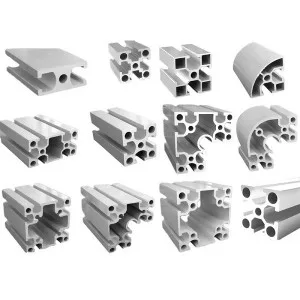
An aluminum profile is an aluminum or aluminum-alloy product with a defined cross-sectional shape that continues along its length. In construction and industrial supply, the term commonly refers to an…

6061 0 Aluminum Sheet: What Should Buyers Verify?

6061 0 Aluminum Sheet: What Should Buyers Verify?

A request for 6061 0 aluminum sheet is a temper-specific purchasing question, not simply a request for generic 6061 sheet. That distinction matters when a buyer compares supplier quotations. TOP METAL…

Frequently Asked Questions

Is a low-profile floor jack a good choice for roadside use?

Not necessarily. Low-profile floor jacks have wheels and are generally intended for firm, level surfaces; a lighter aluminum model does not make an uneven roadside surface suitable. Check the jack maker’s instructions for permitted use.

What is the trade-off between aluminum and steel construction?

Aluminum can make a jack easier to carry, while a steel model may be worth considering if it will stay in one workshop. Compare the complete jack’s weight, dimensions, capacity and construction rather than assuming material alone determines suitability.

Does an “aluminum jack” have only aluminum parts?

No. The description may refer to major structural parts, while other components use different materials. If material composition matters to your purchase, ask for a component-level description.

Can a car remain supported by the jack while someone works underneath?

A jack is lifting equipment, not a substitute for properly rated vehicle supports. Follow the vehicle and equipment manufacturers’ instructions for supporting the vehicle; do not rely on the jack alone.

What should I send if I need an aluminum jack component rather than a finished jack?

Send a drawing identifying the component, its intended function, material requirements and required quantity. Ask SUZHOU TOP METAL MATERIALS CO.,LIMITED whether that component is within its supply scope before discussing a finished-jack specification.

Leave Your Message

Tell SUZHOU TOP METAL MATERIALS CO.,LIMITED whether you need a finished jack or an aluminum component, and share the vehicle’s lifting-point clearance and required rated capacity. Ask if they can supply the item you need.