

1100 1060 alloy qualicoat aluminum perforated sheet
The qualicoated aluminum perforated sheet is from a certified powder coating applied to the aluminum surface, meeting strict international standards, and it provides…
Read MoreAluminum Profile Powder Coating Lines | SUZHOU TOP METAL MATERIALS CO.,LIMITED
An aluminum profile powder coating line needs to coat long extrusions evenly without leaving contact marks on visible faces or excessive buildup in slots. The main purchase decision is how the line will handle your profile shapes, finish requirements and expected production mix.
The qualicoated aluminum perforated sheet is from a certified powder coating applied to the aluminum surface, meeting strict international standards, and it provides…
Read More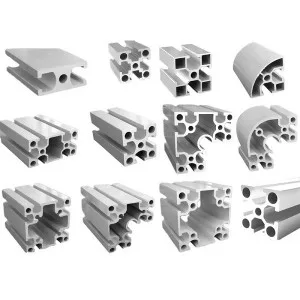
Custom Aluminium profile is widely used in construction, machinery, industry, etc. Aluminium profiles are a great way to add both style and function to your home.
Read More
Wood grain coated aluminum refers to aluminum sheets or panels that have been coated with a wood grain pattern to mimic the appearance of real wood. This coating is typically…
Read More
A stucco embossed finish is designed to have superior durability, reduce glare and reflectivity, and also to give aluminum a decorative finish. The stucco aluminum sheet is also a finish that can stan…
Read More
3003 Aluminum Sheet Features ♦ Alloy: 3003 ♦ Temper: H14, H16, H18, H22, H24, H26, O ♦ Thickness(mm):0.25-10 ♦ Width(mm):800-2200 ♦ This series aluminum sheet is anticorrosive and its production techn…
Read More
Plain 3003 Aluminium Alloy Plate Aluminum Roofing Coil For Trailer 3000 series aluminum Plate are widely used in construction,decoration,pipe, packing,automobile,air conditioner ,pot,containers,refrig…
Read MoreLine selection
Compare proposed line configurations by profile handling, pretreatment, spray access, color changes and curing—not by booth size alone.
| Criterion | What To Check | Why It Matters | Buyer Tip |
|---|---|---|---|
| Profile size and hanging method | Compare the longest profiles and largest cross-sections with the proposed conveyor path, hanger layout and booth clearance. | Poor spacing can leave recessed faces undercoated or allow profiles to touch during coating. | Can you show how our largest and most complex profiles would hang on the line? |
| Pretreatment for the intended exposure | Ask which cleaning, rinsing and surface-treatment stages are proposed for the alloy and end-use environment. | Powder cannot compensate for contamination or unsuitable pretreatment; adhesion and corrosion performance start at the surface. | What pretreatment would you propose for these profiles and their intended use? |
| Powder application and color changes | Compare gun access to internal corners, overspray recovery and the steps needed to clean the booth between colors. | Complex sections are harder to coat evenly, while frequent color changes can reduce usable production time. | How would operators coat recessed faces and prevent color carryover? |
| Curing across the full profile | Ask how the oven and conveyor speed are matched to the powder’s cure requirements and the heaviest profile section. | An oven air setting alone does not show that the aluminum reaches the required cure condition. | How would you verify the metal-temperature profile on our thickest section? |
| Line balance and site fit | Review the proposed layout, utilities and handling time from loading through unloading against the required production mix. | A fast booth adds little capacity if pretreatment, curing or manual handling sets the pace. | Which stage limits output for our mix of lengths, sections and colors? |
A line designed for a narrow range of repeat profiles is a different proposition from one that must change colors and handle varied sections. Frequent changeovers make booth cleaning and powder recovery important; complex shapes put more emphasis on hanging orientation and spray coverage. Compare proposed layouts against actual profile drawings, not just a stated line capacity.
Start with the profiles themselves. Provide maximum lengths, cross-section drawings and the faces that will remain visible after installation. Deep channels and tight corners can be harder to coat consistently, while hanging points may leave marks. Agree where contact marks are acceptable before evaluating a handling layout.
Match pretreatment to the intended service environment and the finish specification. Cleaning and surface preparation affect coating adhesion, but the appropriate process depends on the profiles and their end use. Ask what pretreatment stages are proposed and how their results would be checked.
Look at the whole production flow, not only the spray booth. Hanging density, conveyor arrangement, color-change frequency and curing requirements can each limit usable output. A quoted throughput based on simple profiles may not reflect your longest or most intricate sections.
Before committing to a layout, ask for a process proposal based on a representative set of profiles, your color schedule and your required finish. Clarify who would supply the equipment, who would validate the coating process and what acceptance checks would be used.
| Criteria | Importance | Description | Example Options |
|---|---|---|---|
| Continuous versus batch handling | Shapes how efficiently the line handles the actual order mix. | Continuous conveying favors repeat work; batch handling may be easier to schedule around small, varied lots. Compare loaded production time, not conveyor speed alone. | One repeated window-frame section versus several short orders with different sections. |
| Hanging and electrical contact | Affects coating access, visible marks and process consistency. | Hangers must support each profile securely and provide the contact needed for electrostatic spraying without marking a face that must remain visible. | A concealed fixing edge may be a better contact point than an exposed front face. |
| Powder recovery and color changes | Matters most when colors change often. | A recovery arrangement can reduce discarded powder, but booth and equipment cleaning still take time. Compare changeover procedures alongside powder use. | A single-color run has different cleaning demands from alternating light and dark finishes. |
| Curing and finish verification | Determines whether a coated profile meets the agreed finish requirements. | The proposed oven and conveyor arrangement must suit the coating material and the profiles being processed. Agree how curing and finished appearance will be checked on representative parts. | Check a long profile at several positions rather than judging only a small test piece. |
Related Options
For architectural profiles with visible faces and several colors, consistent coverage and practical changeovers may matter more than peak throughput on a single profile shape.





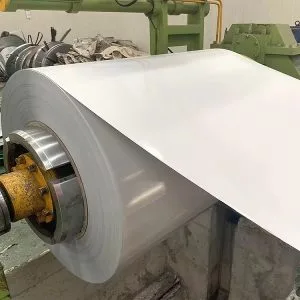
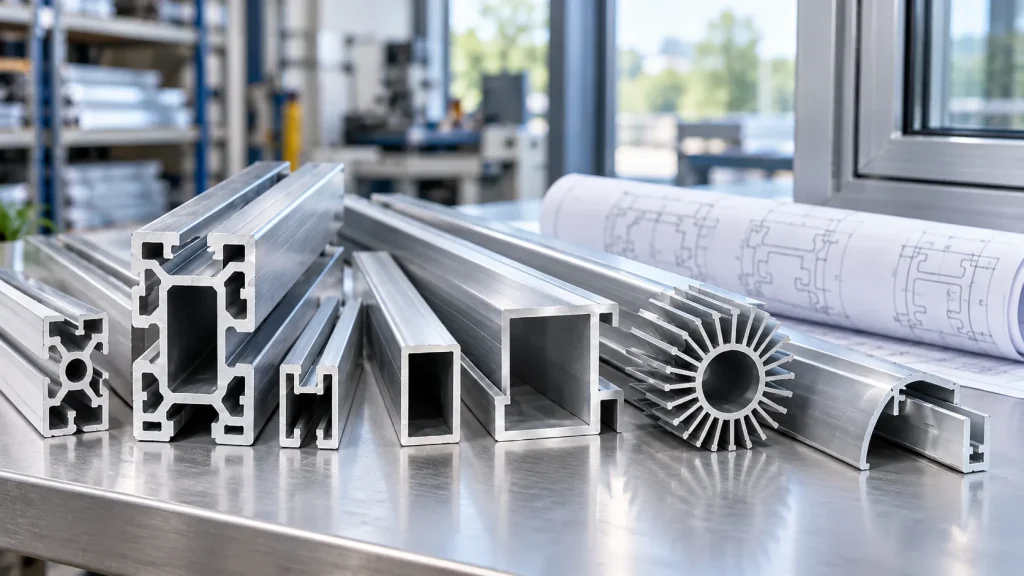
An aluminum profile is an aluminum or aluminum-alloy product with a defined cross-sectional shape that continues along its length. In construction and industrial supply, the term commonly refers to an…

Anodized aluminum sheet thickness can mean two different things: the thickness of the aluminum substrate and the thickness of the anodic oxide layer. They are not interchangeable. Substrate thickness …
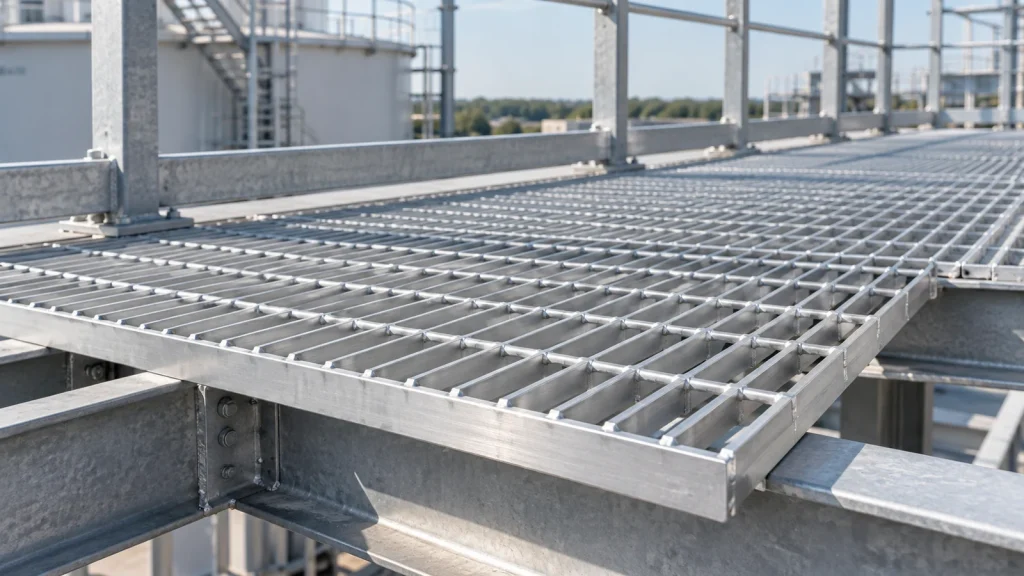
An aluminum bar grating load table is useful only when its product configuration, span, loading pattern and design assumptions match the panel being considered. Check the required load and the corresp…

Perforated aluminum sheet can provide a ventilation path, but open-area percentage is not an airflow or pressure-drop rating. Begin with the hole pattern, calculate the openings available after solid …

When sourcing from an aluminum coil manufacturer in China, B2B buyers need more than a product name or a basic quotation request. A reliable procurement specification should connect the aluminum coil …

When buyers search for a reflective aluminum sheet manufacturer, the key challenge is usually not finding a supplier website. The more important question is whether the supplier can provide a product …
It can be, but frequent profile and color changes may leave the conveyor underused while operators reset hangers and clean the booth. Compare the time needed for a typical production schedule with a batch arrangement before choosing a continuous line.
Powder coating adds a colored film over the aluminum; anodizing changes the surface through an electrochemical process. The choice depends on the appearance, service conditions and finish specification you need, as well as how each finish affects mating surfaces and dimensions.
Not reliably. Scratches, die lines and handling damage may remain visible after coating, especially on prominent faces. Agree on the acceptable condition of profiles before they enter the line rather than relying on the coating to conceal defects.
Check whether the spray arrangement can reach the surfaces that need a finish without excessive buildup at slot openings. A representative trial profile can show where coverage is difficult and whether a different hanging position or spray approach is needed.
Confirm whether SUZHOU TOP METAL MATERIALS CO.,LIMITED supplies coating-line equipment, powder-coated profiles, or both. If equipment is available, provide a representative profile set and production schedule, then ask how coating results and usable output would be demonstrated.
Share profile drawings or dimensions, the intended finish and service environment, and your expected color mix. Ask SUZHOU TOP METAL MATERIALS CO.,LIMITED whether it supplies coating-line equipment or powder-coated profiles for this requirement.