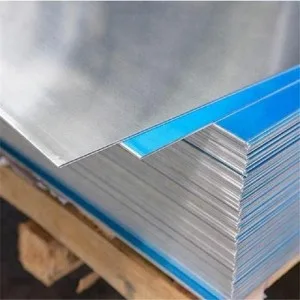
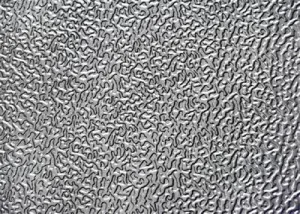
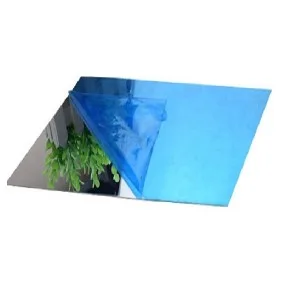
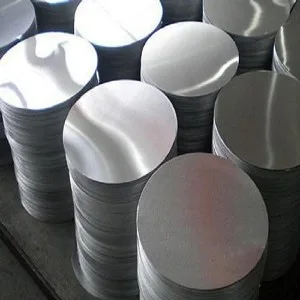
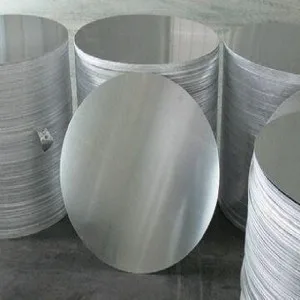
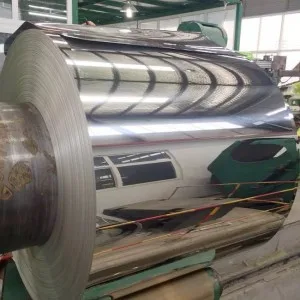
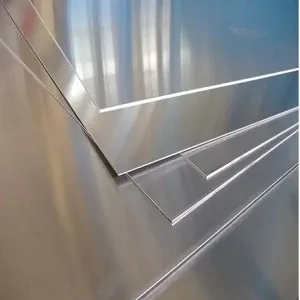
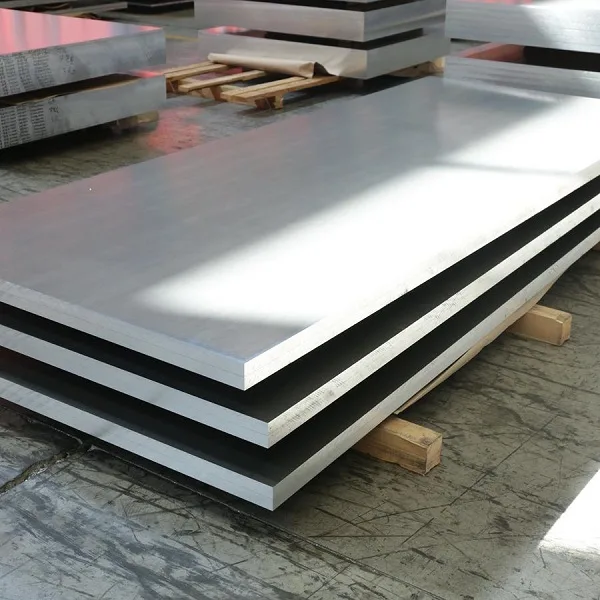
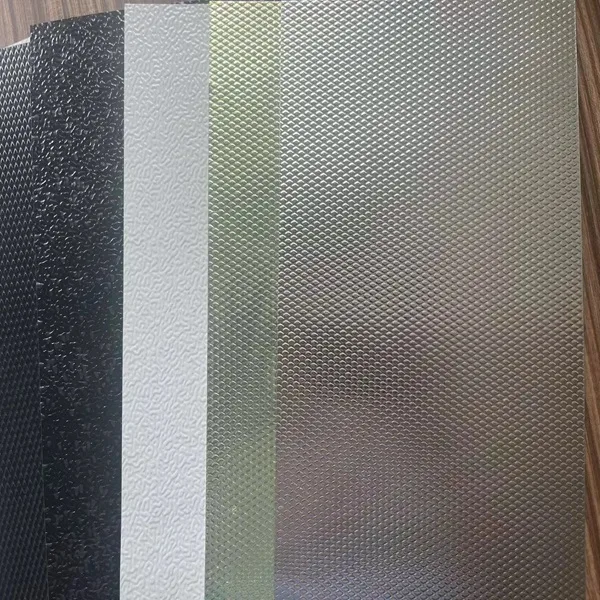
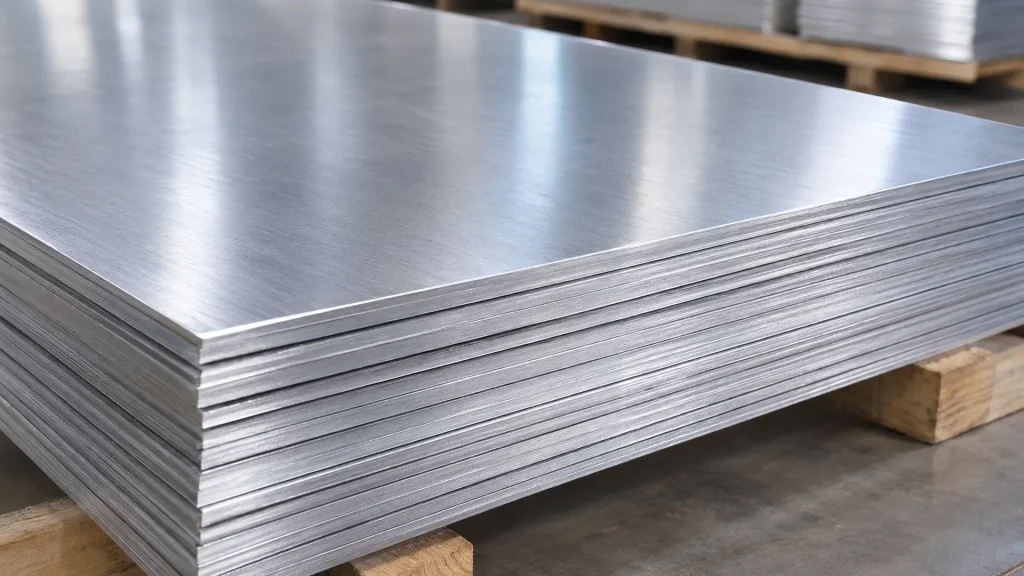
Reflective appearance is not the same as optical performance. A sheet that looks bright to the eye may not provide the reflection pattern your design needs. Specify whether the application calls for specular or diffuse reflection, and ask how the surface will be evaluated for the light source and operating environment.
Finish and protection also affect the choice. Anodized and coated surfaces can differ in appearance, forming behavior and resistance to handling or exposure. If the reflector will be bent, agree on the finish and forming sequence before approving a sample; a flat sample alone may not show how the finished part will look.
Start with the installed geometry. A formed reflector needs a sheet thickness and temper that suit its bends and support points, not just its optical target. Share a drawing or formed-part sample so the proposed material can be checked against the actual shape.
Match the surface to its surroundings. For an exposed reflector, ask how the finish stands up to cleaning, moisture and contact during assembly. For a protected interior part, uniform reflection and forming behavior may matter more than exterior durability. Confirm which side must be reflective and whether protective film is needed during fabrication.
Avoid specifying only “mirror finish.” That phrase does not establish the reflection pattern, acceptable visual variation or inspection method. Compare samples under the intended light source and agree on what constitutes an acceptable finished surface.
For buyers sourcing from China, clarify the production route rather than assuming every manufacturer controls every step. Ask prospective suppliers who processes the reflective surface, and, if factory control matters to your approval process, which operations the factory performs itself. Send the intended use, drawing and finish requirement to get a proposal tied to the part.