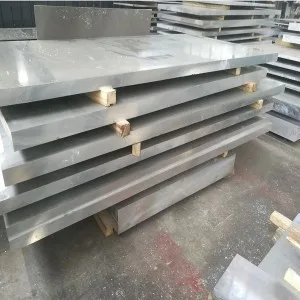
4 × 8 Aluminum Sheet | SUZHOU TOP METAL MATERIALS CO.,LIMITED

Choosing a 4 × 8 Aluminum Sheet

A 4 × 8 aluminum sheet is a practical starting size for panels, enclosures and fabricated parts, but the dimensions alone do not tell you whether it will bend cleanly, hold its shape or arrive with a suitable surface. Start with the part’s use, then choose thickness, alloy, temper and finish.

Related Products

5052 Aluminum Sheet

5052 Aluminum Sheet

5052 aluminum sheet is a versatile Al-Mg alloy offering excellent corrosion resistance, good workability, and moderate-to-high strength. Available in O, H32, H34, H36, and H38 tempers with thickness f…

Read More
6061 T651 aerospace aluminum sheet

6061 T651 aerospace aluminum sheet

6061 T651 aerospace aluminum sheet is Produced and managed in accordance with international aerospace quality system certifications: AS9100; OHSAS 18001; ISO14001; ISO 9001; NADCAP HT; NADCAP NDT; IAT…

Read More

Match the 4 × 8 sheet to your part

Sheet selection

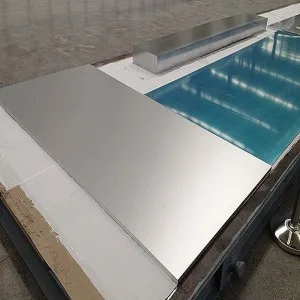
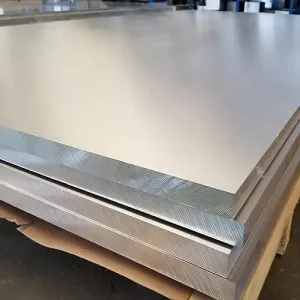
Compare 4 × 8 sheets by thickness, alloy and temper first, then check surface finish, dimensional tolerance and any cutting requirements that affect the finished part.

Criterion What To Check Why It Matters Buyer Tip
Finished sheet dimensions Confirm that 4 × 8 means 48 × 96 inches and ask for the delivered size and cut tolerance. A nominal size may not leave enough material for trimming or edge finishing. Will the sheet arrive at nominal size, or be cut to my required dimensions?
Thickness Specify thickness in inches or millimeters and confirm whether it refers to bare metal. Thickness affects stiffness, weight, forming and fit with adjoining parts. What thickness tolerance applies to the sheet?
Alloy and temper Match the alloy and temper to the intended bending, welding and service conditions. Sheets of the same size can behave differently during fabrication and use. Which alloy and temper suit my fabrication method?
Surface and protective film Confirm the required finish, which face is visible and whether protective film is needed. Surface marks matter more on exposed panels than on parts that will be covered. Can the visible face be protected through cutting and delivery?
Flatness and handling State any flatness needs and ask how full-size sheets will be packed. Bow, dents or bent corners can disrupt panel assembly and increase scrap. How will the sheet faces and corners be protected in transit?

Decide on thickness, temper and finish

“4 × 8” usually means a nominal sheet size of 4 by 8 feet, or 48 by 96 inches. If the sheet must fit a frame or produce a fixed number of parts, confirm the delivered dimensions, dimensional tolerance and usable area after edge trimming rather than assuming every nominal sheet yields the same cut layout.

Alloy and temper answer a different question: how the metal behaves in fabrication and service. For example, a softer temper may suit formed parts, while a stronger temper may be preferable where stiffness matters. Specify the operations the sheet will undergo before choosing on alloy name alone.

Set thickness from the part’s span, support and forming needs. A thicker sheet may resist bending in service but adds weight and can make forming harder. State the required thickness directly; “4 × 8” describes sheet size, not gauge.

Match the alloy and temper to the work. If the sheet will be bent, welded or exposed to moisture, say so. Do not substitute one temper for another just because the alloy matches: the change can affect fabrication.

Choose the surface for its actual use. A visible panel may need a defined finish and protection during handling; a concealed fabricated part may not. If the sheet will be anodized or coated, confirm that the base material and surface condition suit the intended result.

Before ordering, check whether you need full sheets or cut blanks. Send a drawing or cut dimensions when fit or yield matters, and ask SUZHOU TOP METAL MATERIALS CO.,LIMITED to confirm the available size, alloy, temper, thickness tolerance and finish against your application.

Criteria Importance Description Example Options
Full sheet versus cut blanks Affects cutting work, handling and usable yield. A full sheet leaves part placement to your fabricator; blanks arrive closer to the required part size but need clearly defined dimensions and edges. Order full sheets for several part shapes, or request blanks for a repeated panel size.
Thickness and panel support Important where a panel spans between supports or must be formed. Greater thickness can reduce flex but increases weight and may make bends more difficult. Consider the installed span and forming process together. A broad, lightly supported cover may need a different thickness from a small panel fixed along every edge.
Alloy and temper Determines how well the sheet suits fabrication and service conditions. Compare forming, strength and exposure needs rather than treating sheets of the same size as interchangeable. A part with tight bends may call for a different temper from a flat structural panel.
Surface condition Especially important for exposed faces or later finishing. Specify the required appearance and any planned coating or anodizing; also clarify which face will remain visible. A visible enclosure face may need more careful surface and handling requirements than a concealed backing panel.

Blog Articles / Reviews

6061 0 Aluminum Sheet: What Should Buyers Verify?

6061 0 Aluminum Sheet: What Should Buyers Verify?

A request for 6061 0 aluminum sheet is a temper-specific purchasing question, not simply a request for generic 6061 sheet. That distinction matters when a buyer compares supplier quotations. TOP METAL…

Frequently Asked Questions

Can a 4 × 8 sheet be used for an outdoor panel?

It can, but sheet size does not determine outdoor suitability. Choose the alloy and surface treatment for the exposure conditions, and account for the panel’s supports, fasteners and visible finish.

Should I order full sheets or cut blanks?

Full sheets give your fabricator flexibility to place parts and reuse offcuts. Cut blanks can reduce handling and cutting work, but you should verify their dimensions and edge requirements before ordering.

Does a 4 × 8 sheet provide a full 48 × 96 inches for finished parts?

Not necessarily. Nominal sheet dimensions do not account for edge trimming, cut width or the spacing needed between parts, so check the cut layout if yield is important.

Does protective film replace a specified surface finish?

No. Film helps protect a surface during handling; it does not define the underlying appearance or make it suitable for anodizing or coating. State the finish you need and ask how the sheets will be protected in transit.

What should I send when asking for a quotation?

Provide the application, thickness, quantity and any required alloy, temper, finish or cut dimensions. If bends, exposed faces or tight-fitting parts matter, include a drawing or describe those requirements so the proposed material can be checked against the job.

Leave Your Message

Tell us what the sheet will be used for, the thickness you need, and any alloy, temper or finish requirement. Include your quantity if you would like a quote.