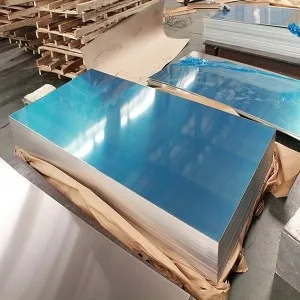
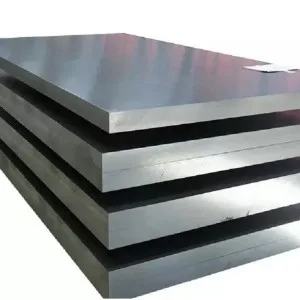
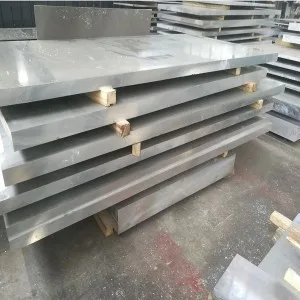
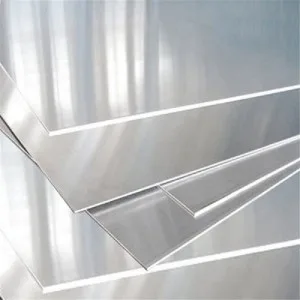
6061 Aluminum Sheet | SUZHOU TOP METAL MATERIALS CO.,LIMITED

Choosing 6061 Aluminum Sheet for Your Parts

For a 6061 aluminum sheet that will be cut, bent or welded into a part, temper matters as much as thickness. A T6 sheet suits parts that need greater strength in the supplied condition; a softer temper may be easier to form. Choose against the finished part and its fabrication steps, not the alloy number alone.

Related Products

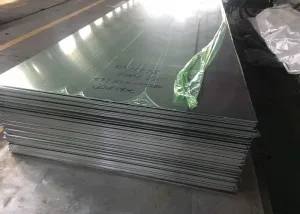
6061 aluminum Plate aluminium sheet

6061 aluminum Plate aluminium sheet

6061 Aluminum Plate / aluminium Sheet is highly versatile and normally used for aerospace, marine, electronic, ornamental, machinery, and structural applications. 6061 aluminum plate has a high streng…

Read More
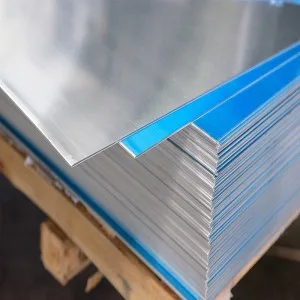
6061 T651 aerospace aluminum sheet

6061 T651 aerospace aluminum sheet

6061 T651 aerospace aluminum sheet is Produced and managed in accordance with international aerospace quality system certifications: AS9100; OHSAS 18001; ISO14001; ISO 9001; NADCAP HT; NADCAP NDT; IAT…

Read More
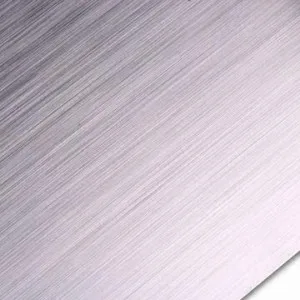
6061-T651 Aluminum Sheet

6061-T651 Aluminum Sheet

6061-T6 is one of the most commonly used 6000 series aluminum alloys. 6000 series aluminum sheets provided includes 6061 and 6082 series. More specifically, the 6061 series…

Read More
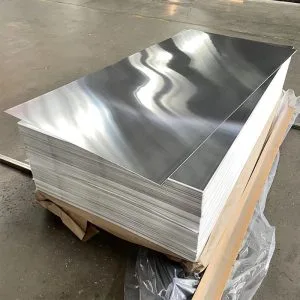
6061 aluminum sheet

6061 aluminum sheet

6061 Aluminium Aging 6061 aluminium alloy sheets, plates, rolled or cold-rolled wire, rods, bars, and drawn tubing are aged to a metal temperature of 160 °C (320 °F) and maintaining it for 18h. Extrud…

Read More

Match 6061 sheet to the fabrication process

Selection criteria

Compare 6061 sheet options by temper, dimensional tolerance, flatness and surface condition. The right combination depends on whether the sheet will be formed, machined, welded or finished after purchase.

Criterion What To Check Why It Matters Buyer Tip
6061 temper Confirm the temper on the quote and material documentation; do not order by alloy number alone. O, T4 and T6 sheet differ in formability and strength. Will the sheet be bent before use, or does the finished part need T6 properties?
Thickness and cut size Specify the required thickness, dimensions and acceptable tolerances. Variation can affect fit, machining allowance and the number of parts cut from each sheet. Which dimensions are critical to your finished part?
Flatness State the flatness requirement and how it will be checked, especially for large panels. A bowed sheet can cause problems with fixtures, machining or visible panel alignment. Does the sheet need to lie flat as supplied, or will it be cut into smaller pieces?
Bending and joining Share the bend direction, bend radius and any welding plans before choosing a temper. A temper suited to strength may be less forgiving in a tight bend, and welding can change local properties. Can the part design accommodate the selected temper’s forming limits?
Surface and finish Describe which faces will remain visible and any planned anodizing or other finish. Handling marks and surface variation matter more on exposed parts than on concealed components. Do you need a defined appearance on one face or both?

Temper, dimensions and finish decisions

The main distinction is between strength before fabrication and workability during it. T4 is generally more formable than T6, while O temper is softer still. Tight bends can be difficult in T6, and welding can reduce strength near the joint. If the design relies on strength after welding or forming, check the finished-part requirement rather than assuming the sheet’s supplied temper will describe the completed assembly.

Start with the drawing. Specify thickness, length, width and any critical tolerances; a nominal sheet size alone may not establish whether cut parts will fit. If flatness or surface marks affect machining or visible panels, state the acceptable condition.

Match temper to the fabrication sequence. For a part with substantial bending, ask whether T4 or O temper is appropriate before choosing T6. If bends are particularly tight, consider whether the part design—or a more formable alloy such as 5052—would be a better fit.

Separate appearance from structural needs. A sheet destined for anodizing or another visible finish may need agreed surface-quality expectations, while a concealed bracket may not. Do not treat a finish requirement as a substitute for specifying the base-metal thickness.

Send SUZHOU TOP METAL MATERIALS CO.,LIMITED the part drawing or dimensions, intended temper and fabrication steps. Ask which sheet options and inspection documentation can be provided for that requirement.

Criteria Importance Description Example Options
Temper Often decisive when the part must be formed Softer tempers offer more forming latitude; T6 provides higher strength in the supplied condition but is less accommodating of tight bends. Compare T4 or O with T6 for a part that needs bending.
6061 versus 5052 Important when bending or exposure drives the choice 6061 is commonly considered for machined or strength-focused parts; 5052 is often preferred for demanding forming and marine exposure. Compare both alloys for a bent outdoor enclosure.
Welded-part strength Critical for load-bearing welded assemblies The supplied temper does not by itself establish strength near a completed weld. Evaluate the welded joint rather than specifying T6 solely from a sheet-strength requirement.
Dimensions and flatness Important for fit, machining and assembly Nominal thickness and size may not capture the tolerances or flatness the finished part needs. State a critical thickness tolerance for a machined plate-like part.
Surface condition Important for visible or finished parts Agree on acceptable handling marks and base-metal condition before cutting or finishing. Specify the visible face of a panel intended for anodizing.

Product Selection

Related Options

For a bent enclosure panel, formability and surface condition may decide the choice before maximum supplied strength does. For a machined support plate, thickness consistency and the required final strength may take priority.

Blog Articles / Reviews

6061 0 Aluminum Sheet: What Should Buyers Verify?

6061 0 Aluminum Sheet: What Should Buyers Verify?

A request for 6061 0 aluminum sheet is a temper-specific purchasing question, not simply a request for generic 6061 sheet. That distinction matters when a buyer compares supplier quotations. TOP METAL…

Frequently Asked Questions

Is 6061 suitable for a part exposed to weather?

6061 has good general corrosion resistance, but exposure and finish still matter. For prolonged saltwater exposure, compare it with 5052 and confirm the intended surface protection.

Should I choose 6061 or 5052 for a bent panel?

5052 is often the easier choice for substantial bending. Choose 6061 when its strength or machining characteristics matter more, then check whether the required bend can be made in the selected temper.

Does “6061-0” mean the same thing as 6061-O?

The annealed temper is written with the letter O, which can be mistaken for zero. If a drawing says “6061-0,” clarify the intended temper before ordering.

Will a welded 6061-T6 part retain T6 strength at the joint?

Do not assume it will. Welding can soften the heat-affected area, so a strength-critical assembly needs an assessment based on the completed joint and any planned post-weld treatment.

What should I confirm before placing an order?

Confirm the alloy and temper, required dimensions and tolerances, quantity, and any surface or flatness requirements. If material traceability matters, ask what inspection documentation can accompany the sheet.

Leave Your Message

Share the required thickness and sheet dimensions, the temper you have in mind, and whether the part will be bent, welded or machined.