

1100 1060 alloy qualicoat aluminum perforated sheet
The qualicoated aluminum perforated sheet is from a certified powder coating applied to the aluminum surface, meeting strict international standards, and it provides…
Read MoreChina Perforated Aluminum Sheet Manufacturer Requirements | SUZHOU TOP METAL MATERIALS CO.,LIMITED
Perforated aluminum sheet lets air, light or sound pass through a panel while retaining a lightweight metal surface. For a vent cover, screen or enclosure, the main decision is how much open area the application needs without leaving the sheet too flexible or difficult to fasten.
The qualicoated aluminum perforated sheet is from a certified powder coating applied to the aluminum surface, meeting strict international standards, and it provides…
Read More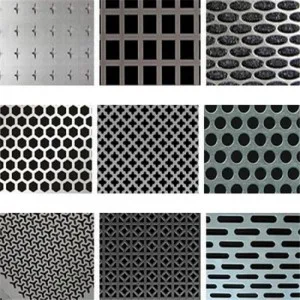
Aluminum Perforated Sheet is lighter than both steel and stainless steel perforated sheet, while offering good corrosion resistance, weldability and formability. Aluminum…
Read More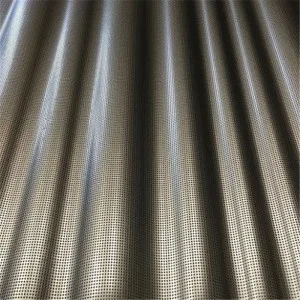
Aluminum sheet plate is widely used, including various industries in our society. Ordinary aluminum alloy plate through some simple processing, can play a more extensive role….
Read More
Deep Drawing Aluminum Sheet Circle 1050 1060 Aluminum Plate ASTM B209 Approved Deep drawing 1050 1060 ASTM B209 cookware use aluminium sheet circle Aluminum circle, as aluminum disc, is normally with …
Read More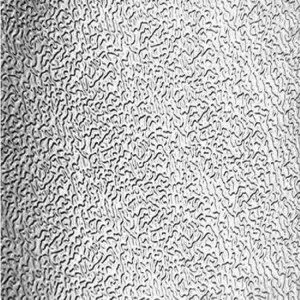
A stucco embossed finish is designed to have superior durability, reduce glare and reflectivity, and also to give aluminum a decorative finish. It is also a finish that can stand up to the elements wi…
Read More
Low Strength 1100 H14 Aluminum Sheet 0.2mm-30mm Mill Finish Aluminum Sheet low strength H14 aluminium alloy plate supplier 0.2mm-30mm 1100 plate aluminum coil mill finish Alloy 1100 is a low strength …
Read MoreSheet selection
Compare perforated sheet by alloy and temper, thickness, hole pattern, open area, unperforated margins and finish. The right combination depends on how the panel will be supported, formed and seen in use.
| Criterion | What To Check | Why It Matters | Buyer Tip |
|---|---|---|---|
| Hole size, pattern and open area | Compare drawings that show hole diameter, spacing, layout and open-area percentage. | These details affect airflow, visibility and how much metal remains between holes. | Ask the manufacturer in China to confirm the pattern on a drawing before comparing quotations. |
| Sheet thickness and hole spacing | Request the base sheet thickness in millimeters and the minimum metal width between holes. | A more open pattern can leave less material to resist handling or service loads. | Ask suppliers to state thickness directly rather than relying on gauge alone. |
| Alloy, temper and forming | Confirm the alloy and temper, and identify any bends or formed edges on the drawing. | A sheet suited to a flat panel may not be the best choice for a formed part. | If the part needs bending, ask where the bend falls relative to the perforations. |
| Unperforated borders and cut edges | Mark mounting holes, solid borders and finished dimensions on a part drawing. | Perforations near fasteners or cut lines can complicate mounting and leave fragile edges. | Ask whether the factory can keep the specified border clear of perforations. |
| Surface finish and burrs | Specify the exposed face and finish, and request a sample or agreed edge-acceptance criteria. | Visible panels need a consistent appearance; burrs can also interfere with handling or assembly. | Ask which face will be presented outward and how cut and perforated edges will be finished. |
Hole size and open area are not the same specification. Two sheets can have similar open area but different hole diameters and spacing. Smaller, closely spaced holes may give a finer screen appearance; larger holes may better suit an application where blockage is a concern. Pattern also affects the metal left around mounting points and cut edges, so check it against the finished part drawing rather than choosing by appearance alone.
Start with the sheet’s job. A decorative panel may prioritize a consistent visible pattern and finish, while a ventilation panel needs an opening pattern suited to the required airflow. If the panel must be bent or formed, specify that before settling on an alloy and temper; the choice affects formability.
Define the holes as a pattern, not just a diameter. State the hole shape, spacing, arrangement and any unperforated margins needed for fasteners or a frame. Check where the pattern begins and ends on cut-to-size parts. An otherwise suitable sheet can be unusable if holes fall across a fixing point.
Choose thickness with the panel size and support method in mind. Thinner sheet reduces weight but may need more support; thicker sheet can be harder to form and adds weight. Specify thickness directly rather than relying on a gauge name, and say if edges will remain exposed or need a particular finish.
For buyers sourcing from China, ask whether a manufacturer can make the required pattern or whether suppliers are offering an existing stock sheet. If factory production is needed, confirm the achievable margins, finish and cut size before approving a drawing. Send the application and drawing with the inquiry so those details can be checked together.
| Criteria | Importance | Description | Example Options |
|---|---|---|---|
| Airflow versus screening | Central to vents and protective covers | More or larger openings can reduce obstruction, but may let larger debris through. Assess the hole pattern alongside the components behind the panel. | A fan cover may need a different opening pattern from a fine debris screen. |
| Perforated sheet versus expanded metal | Useful when choosing the panel construction | Perforated sheet provides specified holes and can retain solid margins; expanded metal has a mesh-like structure made by slitting and stretching metal. | Choose defined round holes for a repeatable decorative pattern; consider expanded metal for an open guard. |
| Panel stiffness and support | Important for large or lightly supported panels | Removing metal changes how a sheet behaves. Compare thickness, remaining material, span and attachment method together. | A framed panel may need less unsupported stiffness than one fixed only at its corners. |
| Finish and exposure | Important for visible or outdoor installations | The finish affects appearance and maintenance; exposure, cut edges and contact with fasteners also influence the selection. | A concealed indoor vent and an exposed exterior screen may call for different finishes. |
Related Options
For an enclosure vent, prioritize a pattern that provides the required opening area while leaving solid material where the panel attaches. A decorative screen may call for a different balance between visible pattern, stiffness and finish.







Perforated aluminum sheet can provide a ventilation path, but open-area percentage is not an airflow or pressure-drop rating. Begin with the hole pattern, calculate the openings available after solid …

Buyers should send the required alloy, temper, thickness, sheet size, hole shape, hole size, pitch, pattern orientation, open area, blank margins, tolerances, finish, flatness, burr direction, drawing…
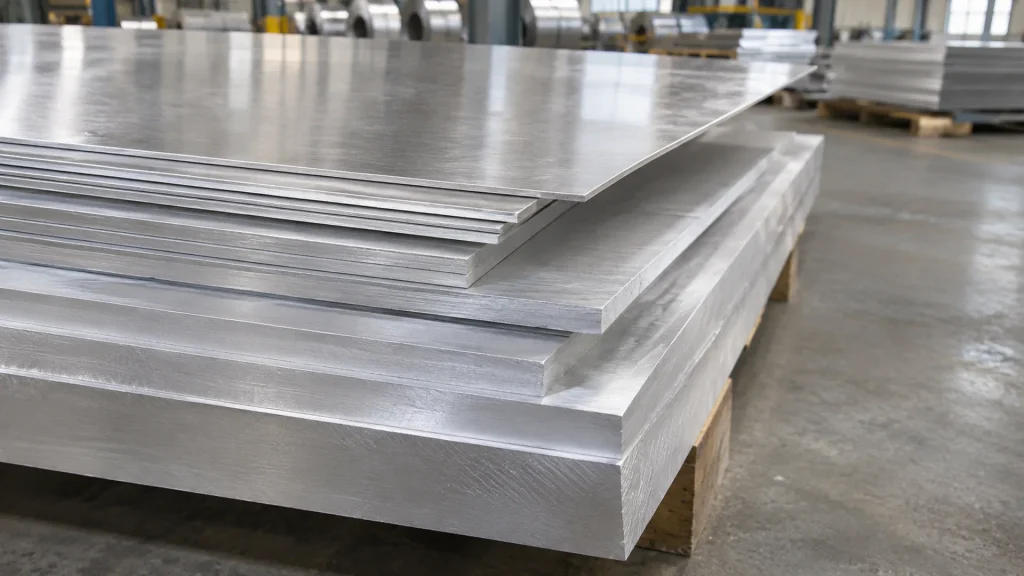
Aluminum sheet gauge numbers describe nominal thickness only when the gauge system and metal are identified. On a commonly used Brown & Sharpe (B&S) nonferrous gauge chart, 16-gauge aluminum i…
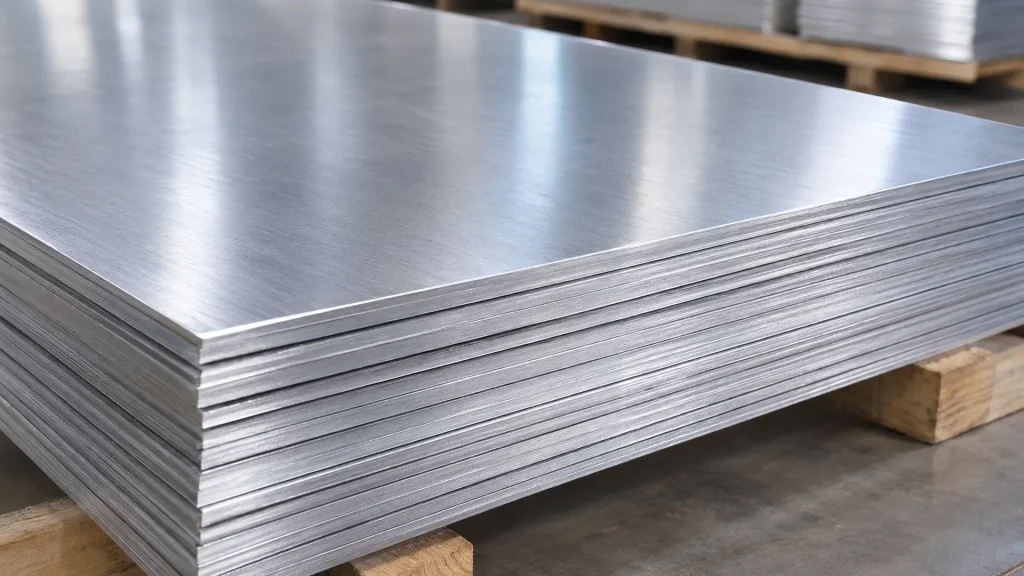
Yes, 1/8-inch (0.125-inch, 3.175-mm) aluminum sheet can be bent without cracking, but thickness alone cannot determine a safe bend radius. The alloy, temper, formed inside radius, bend-line orientatio…

When buyers search for a reflective aluminum sheet manufacturer, the key challenge is usually not finding a supplier website. The more important question is whether the supplier can provide a product …

A request for 6061 0 aluminum sheet is a temper-specific purchasing question, not simply a request for generic 6061 sheet. That distinction matters when a buyer compares supplier quotations. TOP METAL…
No. Hole size, shape, spacing and the equipment behind the panel also affect airflow and pressure drop. If ventilation performance matters, evaluate the proposed pattern in the context of the complete assembly.
Expanded metal may suit a guard where a mesh-like opening and lower material waste matter more than a precise hole layout. Perforated aluminum sheet is usually easier to specify when you need defined hole geometry, solid mounting margins or a particular visual pattern.
No. Openings let sound pass, even if the panel changes how sound travels through an assembly. If noise reduction is the goal, assess the complete enclosure and any acoustic material behind the sheet.
Choose the alloy and finish for the exposure and appearance required, and consider how the panel will be cleaned. Also check the cut edges, fasteners and contact with other metals rather than judging durability by the face finish alone.
Ask for agreement on the drawing, including hole orientation, pattern start and end points, solid margins, cut dimensions and acceptable variation. For a visible or close-fitting part, ask whether a sample can be checked before the full order proceeds.
Ask SUZHOU TOP METAL MATERIALS CO.,LIMITED whether it can supply your required sheet. Include the application, a drawing showing the hole pattern and margins, and the required thickness and finish.