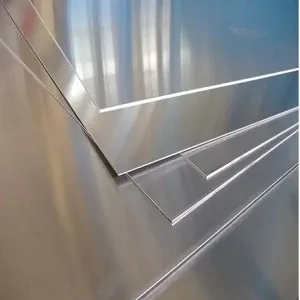
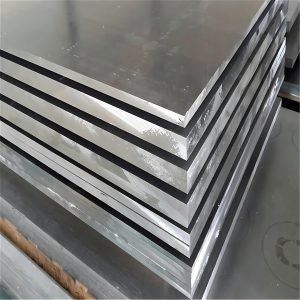
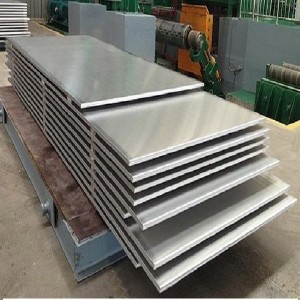
China Aluminum Sheet Stock Thickness Tolerance Manufacturer, Factory & Suppliers should be evaluated by how closely their available aluminum sheet stock matches your material, thickness, width, length, surface, and packaging requirements. The best first step is to prepare a specification checklist instead of asking only for a general catalog.
For bulk purchasing evaluation, include the intended application, tolerance expectations, estimated order quantity, delivery destination, and any sample or inspection needs. This helps suppliers confirm whether standard stock, custom cutting, or a made-to-order option is more suitable.
Start with the required aluminum material and working thickness range. List the alloy, temper, surface condition, sheet dimensions, and tolerance requirements that affect your production process. If any point is flexible, mark it clearly so the supplier can suggest practical alternatives.
Next, review size and configuration matching. For bulk orders, small differences in width, length, thickness tolerance, edge condition, or protective film can affect downstream cutting, forming, packaging, or assembly. Share drawings, application notes, or previous sample references when available.
Prepare quotation information before contacting suppliers. Include target quantity, annual demand if known, destination port or delivery location, packaging requirements, sample request, inspection expectations, and preferred delivery schedule. This reduces repeated clarification and supports more accurate pricing.
When comparing supplier replies, look beyond the unit price. Check whether the response addresses your material, size, tolerance, lead-time, and packaging questions. A supplier that asks specific follow-up questions may be easier to work with for repeat export orders and custom requirements.