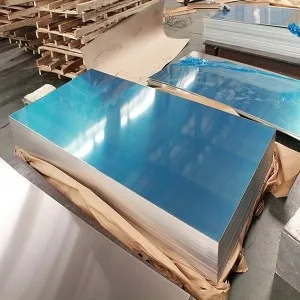
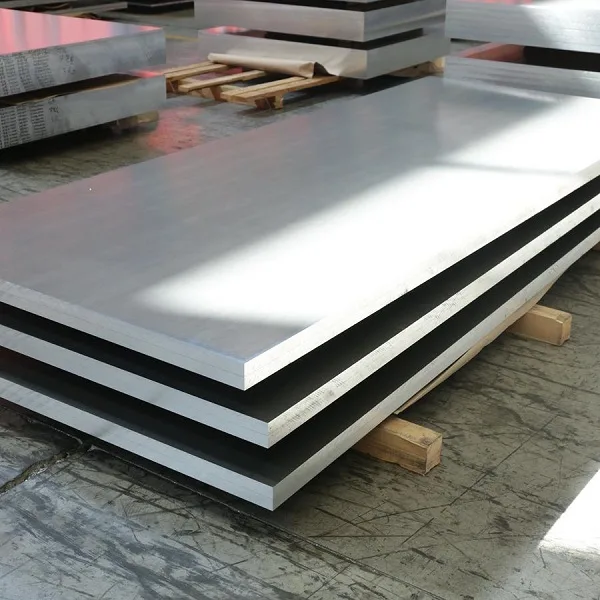
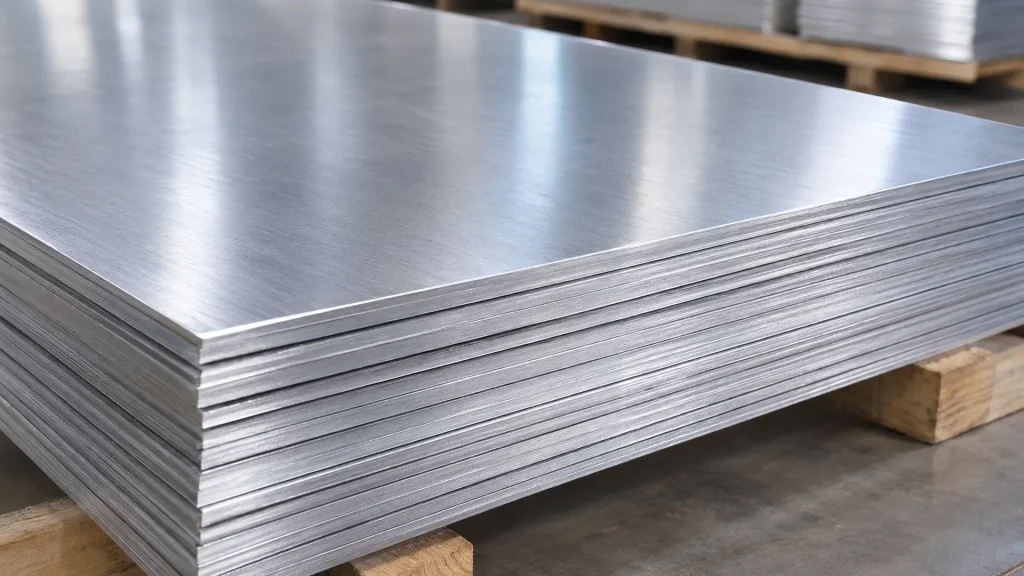
The key distinction is between buying available sheet and ordering sheet to a defined requirement. Available stock may suit a repair or short run if its dimensions, surface and temper work for the job. A production order may be more appropriate when appearance, forming behavior or repeatability must match across batches.
If you are comparing nearby suppliers with a manufacturer in China, ask what each can provide for your required material and what the delivery arrangement would be. A shorter distance alone does not make a sheet suitable for bending, finishing or visible panels.
Choose alloy and temper around the part, not just its thickness. A sheet that forms readily may differ from one selected for strength or service conditions. If the part has bends, share the drawing and describe the forming operation; do not assume that two sheets of the same alloy will behave alike in different tempers.
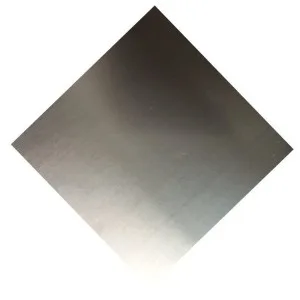
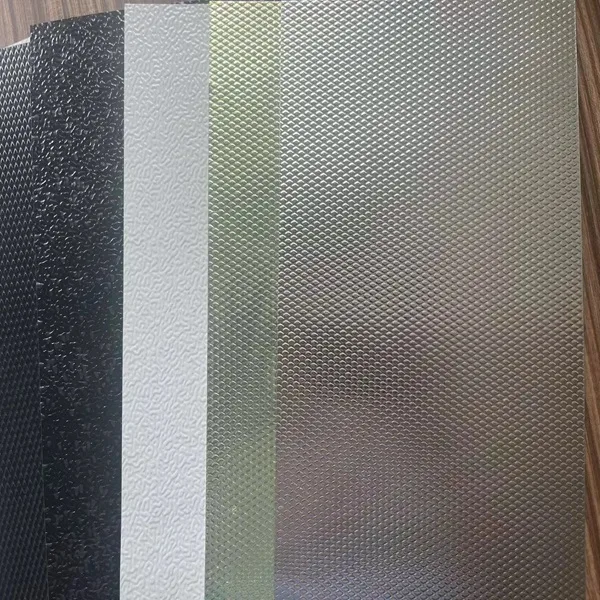
State thickness in millimeters or inches rather than relying on a gauge name alone, and give the required sheet size and acceptable cutting allowance. Check which side will be visible. A protective film, brushed surface, anodised finish or embossed pattern changes what you need to inspect on arrival.
For perforated panels, specify the hole pattern and open-area needs alongside the sheet material. For liners or formed covers, check whether the surface pattern and temper remain suitable after forming. These details can rule out an otherwise plausible sheet before you spend time arranging transport.
Compare suppliers on the material they can actually provide and the route to your site. If factory production is important, ask whether the proposed sheet is made to your specification or supplied from existing stock. Send a drawing or cut list, the intended use and your delivery location to get a useful response.