
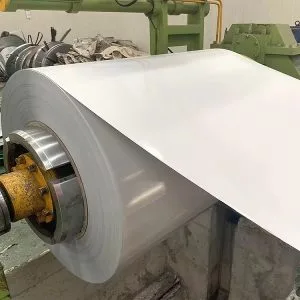
5052 3003 PE PVDF Color Coated Aluminum Coil
Color coated aluminum coils are light in weight but high in strength and have good wind pressure resistance, making them suitable for use as building materials.
Read MoreBest Color Coated Aluminum Coil Supplier Selection Guide | SUZHOU TOP METAL MATERIALS CO.,LIMITED
Color-coated aluminum coil has to look right after it is cut, formed and installed—not just on a sample card. For roofing, cladding, trim or fabricated panels, the key decision is whether the aluminum and coating suit the forming process and the finished surface’s exposure.
The best supplier for an order is one that can confirm the specified substrate, finish and coil format, then agree on how color and coating quality will be checked. A low quote is less useful if it leaves those details open.
Color coated aluminum coils are light in weight but high in strength and have good wind pressure resistance, making them suitable for use as building materials.
Read More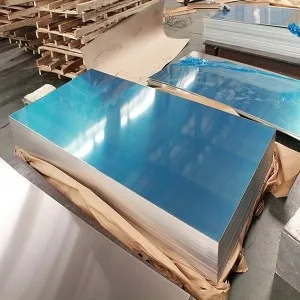
China aluminum sheet coil suppliers RAYIWELL MFG / RuiYi aluminum can offer 1050 1100 2024 3003 4017 5052 6061 7075 aluminum sheet or aluminum coil in custom sizes and patterns…
Read More
Wood grain coated aluminum refers to aluminum sheets or panels that have been coated with a wood grain pattern to mimic the appearance of real wood. This coating is typically…
Read More
1050 aluminum sheet is the most useful sort of series 1000 aluminum alloy. As a kind of pure aluminium sheet, 1050 aluminium sheet is excellent on corrosion resistance, thermal conductivity and electr…
Read More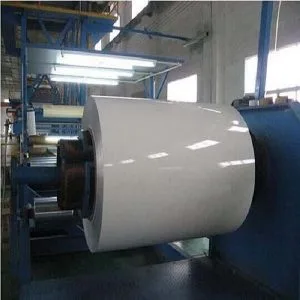
Color-coated aluminum (color-coated aluminum coil), common polyester color-coated aluminum (color-coated aluminum coil), is widely used in aluminum honeycomb panels, aluminum…
Read More
5052 is an aluminium alloy, primarily alloyed with magnesium and chromium 5052 aluminum is the highest strength alloy of the more non-heat-treatable grades. Its resistance to fatigue is better than mo…
Read MoreCoil selection
Compare coated coil options by application, substrate and temper, coating system, color reference and forming requirements. These choices determine whether a proposed material fits the finished part—not just whether its appearance matches a sample.
| Criterion | What To Check | Why It Matters | Buyer Tip |
|---|---|---|---|
| Coating system and exposure | Compare the paint type, coating build and intended indoor or outdoor use. | A finish suited to interior panels may not be the right choice for exposed cladding. | Ask which coating system is proposed for your application and what finish information can be provided. |
| Base aluminum and forming | Confirm the alloy and temper against the bends, roll-forming or stamping your part requires. | The metal must form as intended without putting excessive strain on the coating. | Send a drawing or forming description and ask the supplier to confirm the proposed substrate. |
| Color and appearance | Agree on a physical color reference, gloss target and acceptable variation between coils. | Small differences become conspicuous when panels from separate coils sit side by side. | Ask how production color will be compared with your approved sample. |
| Coating performance after forming | Request bend-test or adhesion information relevant to the proposed coating and your forming method. | A finish that looks sound on a flat coil can crack or lose adhesion at a tight bend. | Ask what test method and acceptance criteria will apply to your order. |
| Coil fit and protection | Match thickness, width, inside diameter and coil weight to your equipment; confirm how the painted face is protected in transit. | An incompatible coil disrupts processing, while handling marks can leave finished panels unusable. | Share your line limits and ask for the proposed coil dimensions and packing method. |
Should you choose polyester or PVDF coating? Polyester may suit less demanding exposure or projects where cost is the main constraint. PVDF is often specified for exterior work where long-term color and weathering performance matter more. Neither choice replaces a clear agreement on the coating system, color reference and intended environment.
Forming requirements matter just as much as exposure. A finish that looks acceptable on a flat sample may crack or change appearance at a tight bend. Share the intended fabrication method and ask how the proposed coil’s bend performance will be assessed.
Start with the finished part. State the application, exposure and visible surfaces, then specify the aluminum alloy, temper and thickness required by the fabricator. Choosing a coating before checking whether the substrate can take the intended bend or profile is an avoidable mistake.
Set a physical color sample or agreed color standard, and clarify gloss, texture and which side needs the decorative finish. If coils will be used together on one elevation, ask how color consistency between batches will be controlled. A color name alone leaves too much room for variation.
Check the coil format against the equipment that will process it: width, inside diameter, coil weight limits and any slitting needs. Confirm protective film and packing requirements where handling marks or transit damage could affect visible panels.
When comparing quotations, check that they cover the same alloy, thickness basis, coating system, finish, coil dimensions and inspection expectations. Send SUZHOU TOP METAL MATERIALS CO.,LIMITED a drawing or application description and ask which proposed specification it can supply and how it would verify the finish before dispatch.
| Criteria | Importance | Description | Example Options |
|---|---|---|---|
| Substrate and temper | Critical when the coil will be formed or must meet a structural requirement. | Alloy, temper and base-metal thickness affect forming behavior and the finished part; the coating cannot compensate for an unsuitable substrate. | A deeply formed trim profile needs a substrate choice checked against its bend geometry. |
| Coating system | More consequential as weather exposure and appearance-life requirements increase. | Compare proposed paint systems against the installation environment and the project’s finish requirements, rather than comparing color alone. | An indoor decorative panel and an exposed façade panel may call for different coating choices. |
| Color and surface consistency | Especially important when adjacent panels will be viewed together. | Agree on the color reference, gloss and visible side, then ask how variation across coils or batches will be assessed. | Panels installed on one elevation need an agreed basis for judging color match. |
| Coil format and quotation scope | Important for processing compatibility and a meaningful price comparison. | Check width, inside diameter, coil weight limits, packing and any slitting against the fabricator’s equipment; compare quotes with the same material and finish requirements. | A lower-priced offer may require additional slitting before the coil fits a production line. |
Related Options
For exterior cladding, prioritize the specified weather exposure and an agreed color reference before comparing quotes. For tightly formed trim, confirm bend suitability first; an attractive flat finish is little help if it cannot survive fabrication.





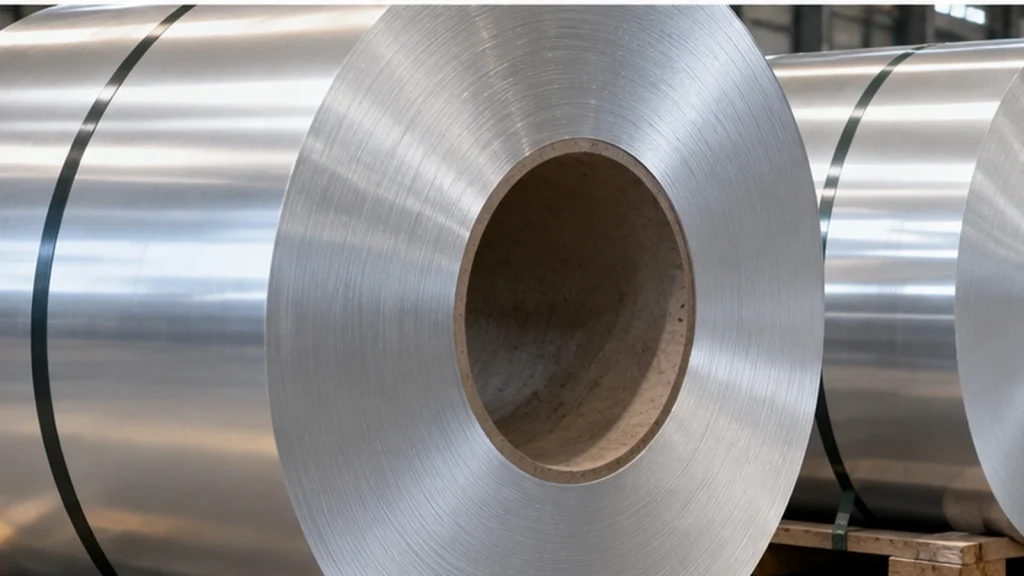
When evaluating an aluminum coil prices supplier in China, buyers should verify supplier evidence and product fit before comparing the headline price. For a 5052 aluminum requirement, the RFQ should d…

When sourcing from an aluminum coil manufacturer in China, B2B buyers need more than a product name or a basic quotation request. A reliable procurement specification should connect the aluminum coil …

3003 alloy aluminum coil is an Al-Mn, non-heat-treatable material used where formability and corrosion resistance matter. But a B2B buyer cannot build a reliable quotation around the words “3003…
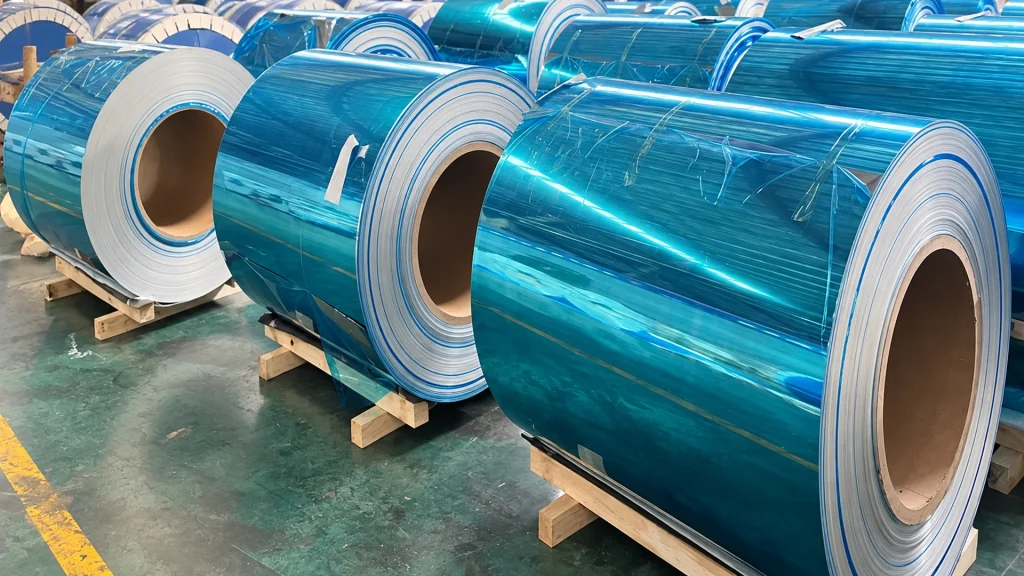
A bend-test result for prepainted aluminum coil is useful when the tested material, method and acceptance conditions are identified together. A rating such as 0T or 2T describes performance under a sp…

Direct Answer: Buyers should ask an anodised aluminum sheet supplier China sourcing teams are reviewing to define the base alloy, temper, thickness, sheet size, anodizing sequence, finish, color-contr…
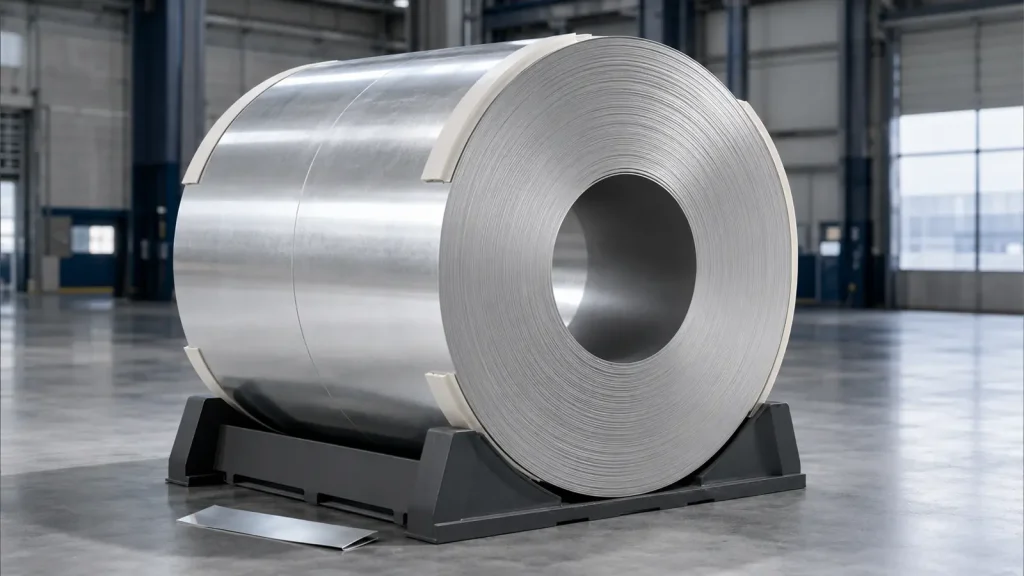
Before production, buyers should freeze the 5083 aluminum coil’s governing material standard, temper, thickness and tolerance, width and edge condition, coil inside diameter, maximum outside dia…
Not automatically. Indoor panels may place more weight on appearance and cleanability, while exterior cladding needs a coating system suited to the expected weather exposure. Tell the supplier where the finished panels will be installed before accepting a proposed finish.
Aluminum is worth considering when lower weight or the behavior of exposed cut edges matters to the design. Coated steel may be preferable when stiffness or material cost drives the decision. Compare the finished part’s requirements, not just the price per coil.
No. Base-metal thickness affects the part’s structure and forming, while surface durability depends on the coating system and its suitability for the application. Ask for those details separately rather than treating total thickness as a finish specification.
A screen image is useful for discussion but unreliable as the final color reference. Agree on a physical sample or recognized color standard, along with gloss and viewing conditions, before approving a visible finish.
Ask the supplier to identify the proposed substrate, coating system, finished dimensions, color reference and packing method. Also ask what inspection information can accompany the order, so you can compare offers on the same basis.
Share the intended application, required color or finish reference, and coil dimensions or forming details so the proposed specification can be checked.