
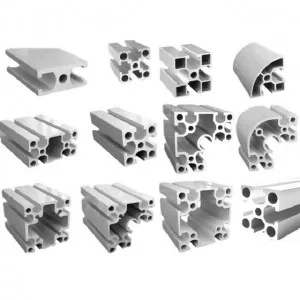
Extrusion alumium profiles
Aluminum profiles are products born from aluminum alloys bar that are transformed into shaped objects through the extrusion process. Extrusion alumium profiles are used in…
Read MoreChina CIEZN Small Aluminum Extrusion Profile Manufacturer | SUZHOU TOP METAL MATERIALS CO.,LIMITED
For a CIEZN small aluminum extrusion profile, the cross-section is the first decision. A slight change to a slot, wall or mounting feature can affect how the profile fits adjoining parts. Start with a drawing or sample rather than an overall size alone.
Aluminum profiles are products born from aluminum alloys bar that are transformed into shaped objects through the extrusion process. Extrusion alumium profiles are used in…
Read More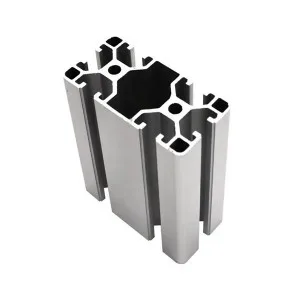
Industrial aluminium extrusion profiles are widely used and highly versatile. It is famous for its environmental protection, convenient assembly and disassembly, time saving…
Read More
Mill Finish Aluminum Sheet Circle 1060 1070 1100 3003 Aluminum Plate For Cookware Aluminum circle 1050 1060 1070 3003 etc is mainly used in making cookware, like non-stick pan, pressure cooker, hardwa…
Read More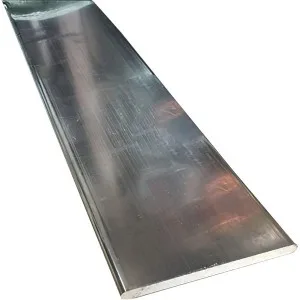
custom Rectangular busbar square angle EN AW 1350 aluminum Flat bus bar Pure aluminum has a conductivity of about 65 percent of the International Annealed Copper Standard (lACS). Aluminum can be produ…
Read More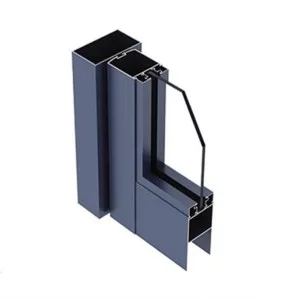
Aluminium extrusion profile for doors and windows is a kind of door and window frame decoration building material made of aluminum alloy as raw material. Its advantages are…
Read More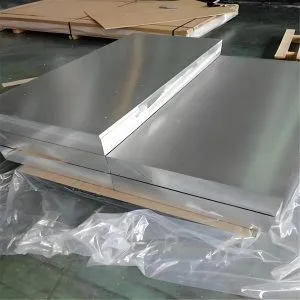
5454 aluminum plate is widely used in ships, marine engineering, oil tankers, pressure vessels, automobile bodies and other fields. Its high strength and excellent corrosion resistance make it an idea…
Read MoreProfile selection
Compare small profiles by cross-section, alloy and temper, critical fit dimensions, finish and supplied length. A drawing makes it easier to assess an existing shape against a custom extrusion.
| Criterion | What To Check | Why It Matters | Buyer Tip |
|---|---|---|---|
| Ciezn profile identity | Compare the part reference with a dimensioned cross-section drawing. | A similar-looking extrusion may not fit the intended assembly. | Ask the manufacturer to confirm which drawing defines the Ciezn profile. |
| Small-section geometry | Mark critical slots, wall thicknesses and mating dimensions on the drawing. | Small dimensional differences can prevent clips or fasteners from fitting. | Ask suppliers in China which dimensions they can hold and inspect. |
| Alloy and temper | Specify the required alloy and temper against the profile’s structural and forming needs. | Material choice affects strength, machinability and suitability for bending. | Ask what material options are available for this cross-section. |
| Surface finish | Define the visible faces, finish type and acceptable appearance. | A finish chosen for appearance may differ from one chosen for wear or corrosion exposure. | Ask the factory for a finish sample if appearance matters. |
| Cut lengths and end features | Show required lengths, holes, slots and end conditions on the part drawing. | These details determine whether the profile arrives ready to assemble. | Ask which features are supplied with the extrusion and which need separate machining. |
An existing extrusion die may suit a standard shape, while a custom cross-section needs its own die and a closer review of the drawing. That distinction affects the initial cost and how easily the profile can be changed later. If CIEZN is a part designation, include the corresponding drawing so the manufacturer can identify the intended shape.
Identify which dimensions control the fit: mating slots, holes, channels and contact faces usually matter more than cosmetic edges. Mark critical tolerances on the drawing instead of applying the same tight tolerance everywhere.
Choose the alloy and temper around the profile’s use. A decorative trim and a small structural member may need different strength, forming or finish characteristics. Thin features can also be harder to extrude consistently, so ask for a review before committing to a detailed cross-section.
Specify the supplied condition as well as the shape: cut lengths, end treatment and surface finish can determine whether the part is ready for assembly. If appearance matters, agree on which faces will be visible; a finish name alone may not settle expectations.
When comparing suppliers in China, separate die charges from profile production and confirm who retains the die. Ask the factory to review your drawing, expected quantity and finish before comparing offers; otherwise, quotes may describe different scopes of work.
| Criteria | Importance | Description | Example Options |
|---|---|---|---|
| Cross-section choice | Determines fit and whether a dedicated die is needed. | Compare an existing shape with the required CIEZN profile geometry before changing the design to suit a readily available section. | A standard channel may be acceptable for a cover, but not if its slot must locate a mating component precisely. |
| Extrusion versus machining | Changes the tooling and revision trade-off. | A repeated cross-section favors extrusion; a short run or frequently revised geometry may favor machining. | A one-off bracket with features at both ends may be simpler to machine than to design around a new die. |
| Critical dimensions | Directly affects assembly fit. | Identify mating faces, openings and clearances rather than treating every dimension as equally critical. | A rail that slides into a channel needs the contacting surfaces checked, not just its overall width. |
| Supplied condition | Determines how much work remains before assembly. | Compare offers on the same basis for cut length, end treatment and finish. | A cut-to-length profile with finished visible faces is a different scope from an unfinished extrusion supplied in longer lengths. |
Related Options
For a profile that slides into an assembly, consistent mating dimensions take priority over appearance on hidden faces. For visible trim, the finish and exposed edges may drive the decision instead.







Aluminum sheet gauge numbers describe nominal thickness only when the gauge system and metal are identified. On a commonly used Brown & Sharpe (B&S) nonferrous gauge chart, 16-gauge aluminum i…
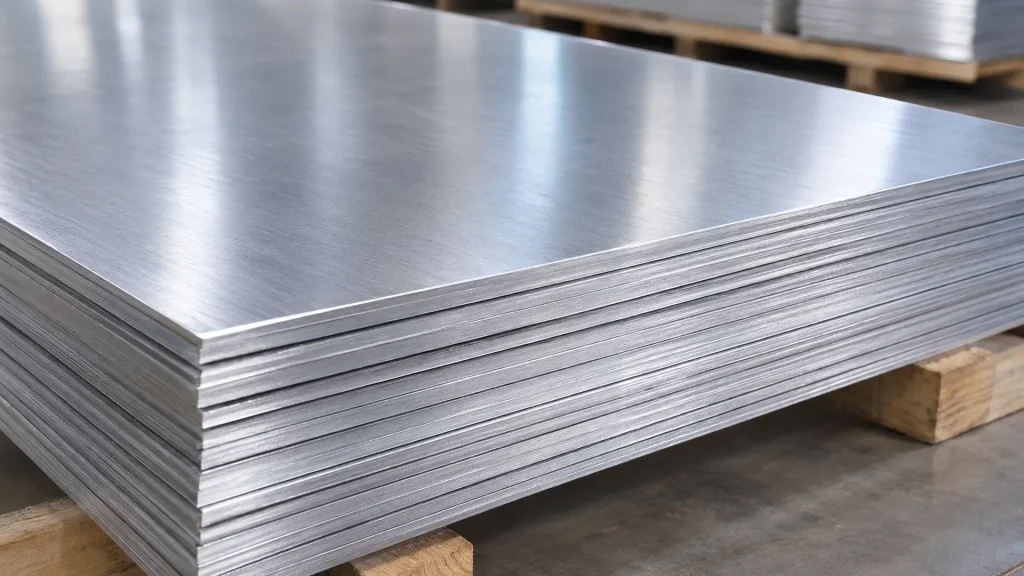
Yes, 1/8-inch (0.125-inch, 3.175-mm) aluminum sheet can be bent without cracking, but thickness alone cannot determine a safe bend radius. The alloy, temper, formed inside radius, bend-line orientatio…
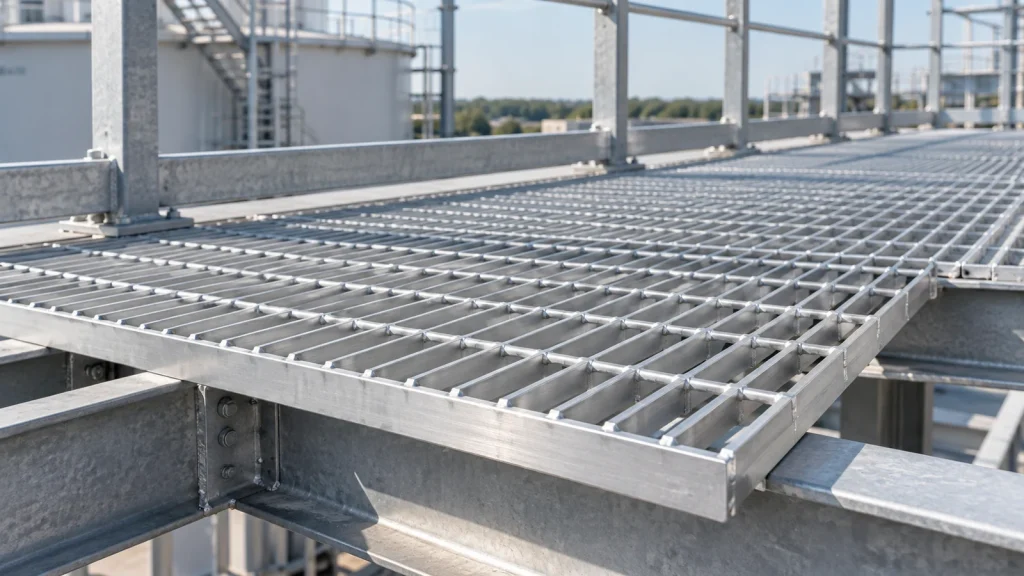
An aluminum bar grating load table is useful only when its product configuration, span, loading pattern and design assumptions match the panel being considered. Check the required load and the corresp…

Perforated aluminum sheet can provide a ventilation path, but open-area percentage is not an airflow or pressure-drop rating. Begin with the hole pattern, calculate the openings available after solid …

When sourcing from an aluminum coil manufacturer in China, B2B buyers need more than a product name or a basic quotation request. A reliable procurement specification should connect the aluminum coil …

When buyers search for a reflective aluminum sheet manufacturer, the key challenge is usually not finding a supplier website. The more important question is whether the supplier can provide a product …
It can, but the fit depends on the mating surfaces and how much clearance the assembly allows. Identify where the parts touch and whether the guide must slide freely or resist movement so the profile can be assessed against its mating part.
Machining may be more practical for a small quantity or a shape that changes often because it avoids a dedicated extrusion die. An extrusion becomes worth considering when the same cross-section is needed repeatedly along the part’s length, though cut ends or local features may still need machining.
No. An outer width does not define slot openings, internal corners or the surfaces that locate the profile in an assembly. Check the mating dimensions on the cross-section rather than relying on one overall measurement.
Ask how the drawing will be reviewed and how the first produced profile will be checked against its critical dimensions. Also clarify whether the quoted scope includes cutting, finishing and any work needed at the ends.
Put the same drawing, quantity, supplied length and finish requirements in front of each supplier. Compare the stated scope and treatment of the die separately from the profile price; a lower figure may exclude work your assembly needs.
Send the CIEZN profile drawing or a photo of the cross-section, your required lengths and estimated quantity. Note any critical mating dimensions or visible finish.