

5052 3003 PE PVDF Color Coated Aluminum Coil
Color coated aluminum coils are light in weight but high in strength and have good wind pressure resistance, making them suitable for use as building materials.
Read MoreCoated Aluminum Coil Wholesaler Selection Guide | SUZHOU TOP METAL MATERIALS CO.,LIMITED
Coated aluminum coil for panels, trim or formed parts has to suit both the finished appearance and the way the metal will be processed. A wholesaler may be able to supply an existing finish quickly, but that finish is useful only if its color, coating and coil dimensions fit your job.
Color coated aluminum coils are light in weight but high in strength and have good wind pressure resistance, making them suitable for use as building materials.
Read More
Wood grain coated aluminum refers to aluminum sheets or panels that have been coated with a wood grain pattern to mimic the appearance of real wood. This coating is typically…
Read More
Plain 3003 Aluminium Alloy Plate Aluminum Roofing Coil For Trailer 3000 series aluminum Plate are widely used in construction,decoration,pipe, packing,automobile,air conditioner ,pot,containers,refrig…
Read More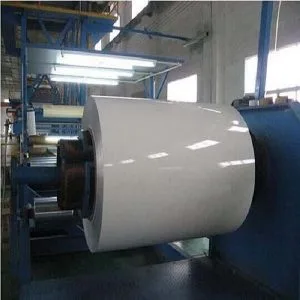
Color-coated aluminum (color-coated aluminum coil), common polyester color-coated aluminum (color-coated aluminum coil), is widely used in aluminum honeycomb panels, aluminum…
Read More
1050 aluminum strip coil are often used in daily necessities, lighting fixtures, reflectors, decorations, chemical industry containers, heat sinks, signs, electronics, lamps, nameplates, electrical ap…
Read More
4017 aluminum sheet is a bright finish tread similar to 3003 grades. 4017 aluminium coils provides durability. Also referred to as Aluminum Diamond Plate, Aluminum Tread Plate,…
Read MoreCoil selection
Compare coated coils by substrate, coating system, finish, usable width and forming needs. The closest color match is not the right choice if the coil cannot be processed into the intended part.
| Criterion | What To Check | Why It Matters | Buyer Tip |
|---|---|---|---|
| Coating for the application | Ask for the coating type, finish and intended exposure conditions. | A coating suited to an indoor panel may not suit an exposed exterior. | What coating options can you offer for the coil’s end use? |
| Forming requirements | Describe the bends or profiles the coil must withstand and ask what coating-adhesion evidence is available. | A finish can look sound on a flat sheet but crack during forming. | Can you provide bend-test results relevant to our forming process? |
| Substrate alloy and temper | Confirm the alloy and temper against the specified forming and strength requirements. | Changing the substrate can change how the coil bends and performs in service. | Which alloy and temper are included in the offer? |
| Coil dimensions and handling | Specify thickness, width, coil weight range and inside diameter; confirm the offered tolerances. | Mismatched coils can disrupt feeding, slitting or storage. | Can the offered coils fit our line’s size and weight limits? |
| Wholesale order consistency | Ask how color, finish and substrate specifications are identified across coils and repeat orders. | Visible variation or mixed specifications can cause problems when coils are used on the same project. | How will each coil be identified against the approved specification? |
Stock coil and a made-to-order run solve different problems. Stock may suit a short schedule if its color, width and substrate are acceptable. A made-to-order run gives you more control over those details, but requires the specification to be settled before production. For repeat orders, ask how a later batch would be matched to the approved color sample.
Start with the end use. Exterior panels and sheltered interior parts can place different demands on the coating. State the exposure conditions and the appearance you need, then ask which coating system is suitable rather than selecting by color alone.
Check the metal beneath the paint. Alloy and temper affect forming, while thickness and width affect the finished part and how much material you can use from each coil. If the coil will be bent or roll-formed, share the forming requirements and ask how coating adhesion and bend performance will be verified.
Specify which side needs a finished surface, the required gloss or texture, and whether protective film is needed during fabrication. A color name by itself can leave room for visible differences; an approved sample or agreed color reference gives both sides a clearer target.
Before comparing offers, put quantity, coil dimensions, packaging and the required delivery destination on the same basis. Send a drawing or current coil specification if you have one, and ask SUZHOU TOP METAL MATERIALS CO.,LIMITED which details it can supply and confirm for your order.
| Criteria | Importance | Description | Example Options |
|---|---|---|---|
| Coating system | Match it to exposure and fabrication, not color alone. | Coatings differ in how they suit outdoor exposure, appearance requirements and forming. Ask what system is proposed and what finish and forming conditions it is intended to meet. | An exterior panel and an indoor decorative part may call for different coating choices. |
| Substrate and temper | These affect whether the coil can become the intended part. | Compare alloy, temper and metal thickness separately from the painted finish. A visually similar coil may behave differently during bending or roll-forming. | A part with tight bends needs its forming requirements checked before a substitute substrate is accepted. |
| Appearance reference | Important when panels sit side by side or orders repeat. | Agree on a color reference or approved sample, along with gloss, texture and which side needs the finished appearance. | Two coils described by the same color name may not look identical on adjacent panels. |
| Coil format and usable material | Determines whether the order fits the production line and cutting plan. | Check width, coil size, packaging and any slitting needs. Compare offers on material your process can actually use, not nominal coil width alone. | A wider coil may create more offcut if the required part widths do not nest efficiently. |
Related Options
For a roll-formed exterior panel, prioritize a coating suited to the exposure and a coil that meets the forming requirements; confirm the approved appearance before committing to a production quantity.







When sourcing from an aluminum coil manufacturer in China, B2B buyers need more than a product name or a basic quotation request. A reliable procurement specification should connect the aluminum coil …

3003 alloy aluminum coil is an Al-Mn, non-heat-treatable material used where formability and corrosion resistance matter. But a B2B buyer cannot build a reliable quotation around the words “3003…
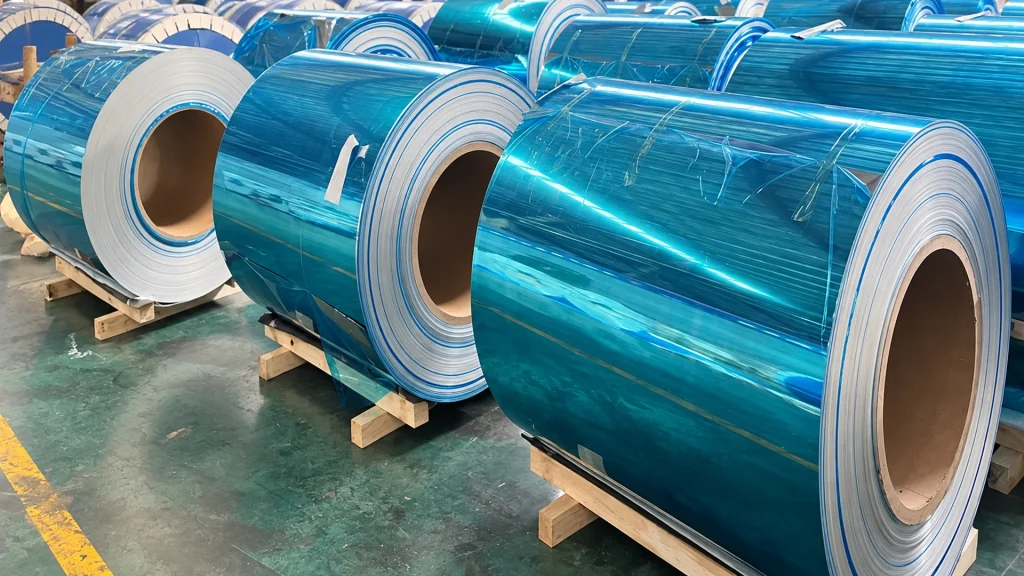
A bend-test result for prepainted aluminum coil is useful when the tested material, method and acceptance conditions are identified together. A rating such as 0T or 2T describes performance under a sp…

Before production, buyers should freeze the 5083 aluminum coil’s governing material standard, temper, thickness and tolerance, width and edge condition, coil inside diameter, maximum outside dia…
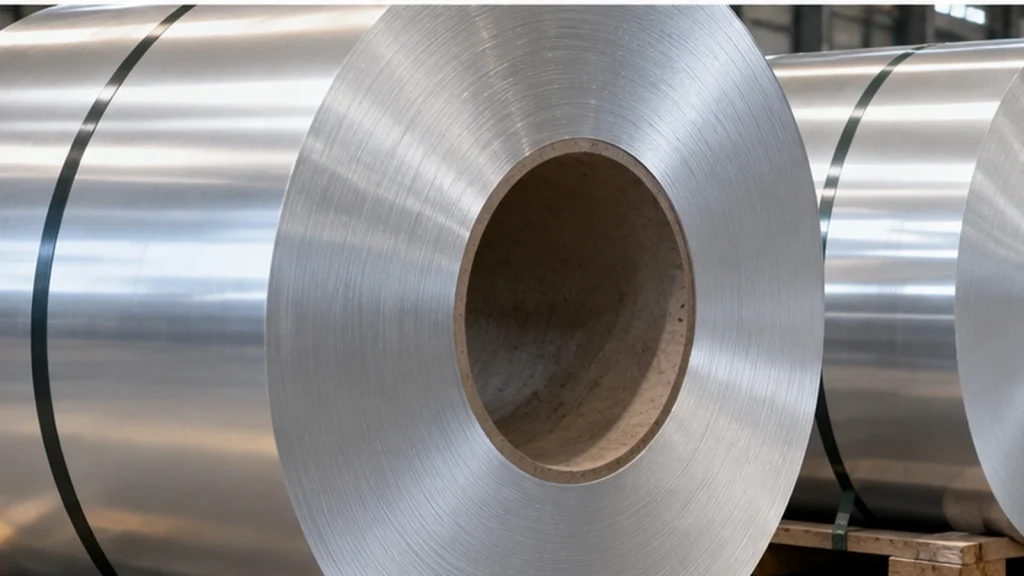
When evaluating an aluminum coil prices supplier in China, buyers should verify supplier evidence and product fit before comparing the headline price. For a 5052 aluminum requirement, the RFQ should d…
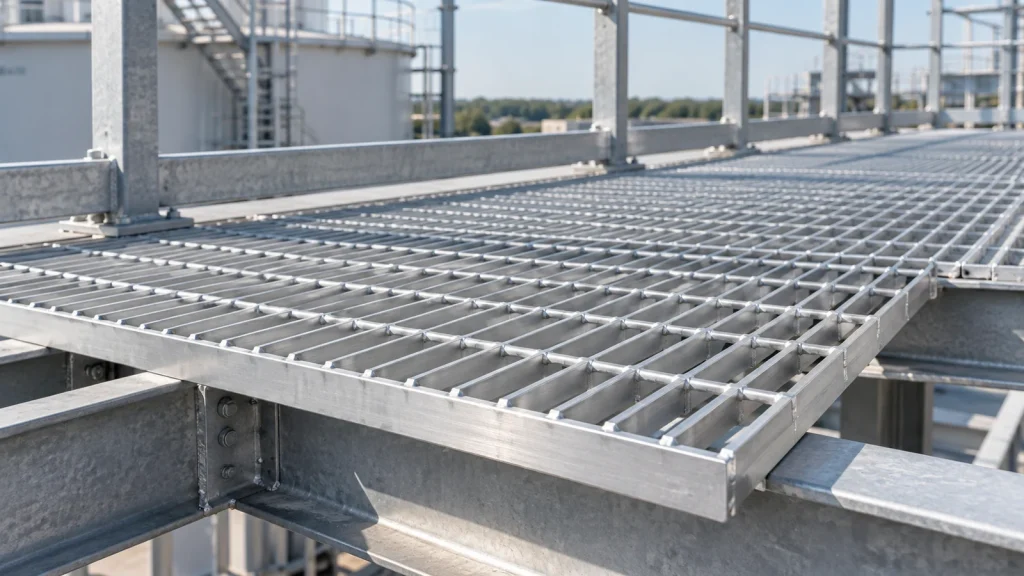
An aluminum bar grating load table is useful only when its product configuration, span, loading pattern and design assumptions match the panel being considered. Check the required load and the corresp…
It can be, but the coating must suit the panel’s exposure and intended service conditions. Describe where the panel will be installed and how it will be formed so the proposed coating and substrate can be checked together.
Prepainted coil gives you a finished surface before fabrication and can simplify production. Painting after forming may be preferable when fabrication would damage a finished surface or when edges and complex shapes need coating after assembly.
No. Coating and metal thickness serve different purposes: the coating affects surface protection and appearance, while the aluminum thickness affects the part’s rigidity and forming behavior. Specify and compare them separately.
Confirm the actual alloy, temper, metal thickness, coating, finished sides and coil dimensions—not just the color name. Also ask whether the available quantity can be supplied in the coil format your equipment accepts.
Tell us the finished application, required coil dimensions and target color or finish so we can discuss suitable supply options.