

5052 3003 PE PVDF Color Coated Aluminum Coil
Color coated aluminum coils are light in weight but high in strength and have good wind pressure resistance, making them suitable for use as building materials.
Read MoreColor Coated Aluminum Coil Factory China Selection Guide | SUZHOU TOP METAL MATERIALS CO.,LIMITED
Color-coated aluminum coil for roofing, cladding or formed panels has to hold its appearance after fabrication and exposure. For buyers sourcing from China, the key decision is how the coating, aluminum substrate and intended use fit together—not color alone.
Color coated aluminum coils are light in weight but high in strength and have good wind pressure resistance, making them suitable for use as building materials.
Read More
China brushed anodized aluminum sheet copper color anodising black aluminium plate Anodized aluminum sheet is a sheet metal product consisting of aluminum sheeting exposed to an electrolytic passivati…
Read More
China aluminum sheet coil suppliers RAYIWELL MFG / RuiYi aluminum can offer 1050 1100 2024 3003 4017 5052 6061 7075 aluminum sheet or aluminum coil in custom sizes and patterns…
Read More
Wood grain coated aluminum refers to aluminum sheets or panels that have been coated with a wood grain pattern to mimic the appearance of real wood. This coating is typically…
Read More
1050 aluminum sheet is the most useful sort of series 1000 aluminum alloy. As a kind of pure aluminium sheet, 1050 aluminium sheet is excellent on corrosion resistance, thermal conductivity and electr…
Read More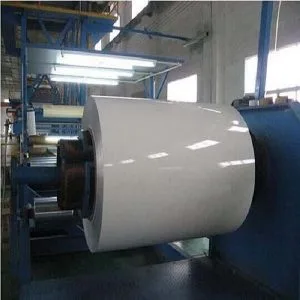
Color-coated aluminum (color-coated aluminum coil), common polyester color-coated aluminum (color-coated aluminum coil), is widely used in aluminum honeycomb panels, aluminum…
Read MoreCoil selection
For a specific application, narrow the coil specification by substrate, coating system, surface appearance and forming requirements. Confirm which details can be held consistent across the quantity you need.
| Criterion | What To Check | Why It Matters | Buyer Tip |
|---|---|---|---|
| Base metal and temper | Compare the specified alloy and temper with the forming steps in your application. | The substrate affects how the coil bends and holds its shape beneath the coating. | Ask the manufacturer in China which alloy and temper it would quote for your finished part. |
| Coating for the exposure | Confirm the coating type and which side or sides are coated. | An indoor panel and an exposed exterior panel place different demands on the finish. | Tell suppliers where the finished part will be used and which face remains visible. |
| Color and surface finish | Agree on a physical color reference and the required gloss or texture before production. | A color name alone may not match adjacent panels or a previous order. | Ask how the factory will approve and retain the agreed color reference. |
| Coating performance after forming | State the tightest bend or forming operation and ask what evidence applies to the proposed coil. | A finish that looks sound while flat may crack or lose adhesion after forming. | Ask whether a sample can be evaluated using your actual forming process. |
| Coil format and protection | Confirm the required width, thickness, winding orientation and packaging method. | A mismatched coil can disrupt feeding, while poor handling protection can mark the visible face. | Give the manufacturer your equipment limits and ask how the coated surface will be protected in transit. |
Is a factory necessary, or can a supplier handle the order? The distinction is who controls coating production and who can answer questions about the specified material. Ask a prospective manufacturer which coating steps it performs, which it outsources, and what production and inspection information it can provide for the order. A supplier may still be a workable contact, but the production route should be clear before you approve a sample or place a repeat order.
Start with exposure. A coil for an exterior façade may need a different coating system from one used for an interior panel. Discuss the expected environment and appearance requirements before choosing between options such as polyester and PVDF; neither name alone confirms suitability.
Match the substrate and finish to fabrication. Alloy, temper and thickness affect forming, while the coating must tolerate the intended bends without unacceptable cracking or loss of adhesion. Share the panel profile or forming requirements rather than assuming a flat sample represents the finished part.
Define the visible surface clearly: color reference, gloss, coated side and any protective film requirements. A color name is a weak substitute for an agreed reference, particularly when panels from separate orders must match.
When comparing quotes from Chinese suppliers, check that they cover the same substrate, coating system, coil dimensions, packaging and delivery basis. Ask SUZHOU TOP METAL MATERIALS CO.,LIMITED to confirm the proposed production route and specification against your application before comparing its offer with another factory’s.
| Criteria | Importance | Description | Example Options |
|---|---|---|---|
| Coating system and exposure | Central to long-term appearance in the intended environment. | Compare proposed coatings against the finished panel’s exposure and appearance requirements, not by coating name alone. | An exposed façade and an interior liner may call for different coating choices. |
| Substrate and forming | Important when the coil will be bent or profiled. | Consider alloy, temper and thickness together with the coating’s behavior during the planned forming process. | A deep profile may need more forming evaluation than a nearly flat panel. |
| Face and back finishes | Critical if both sides remain visible or exposed. | Define each side separately; a finished face does not imply an identical back coating. | A partition visible from both sides needs a different finish discussion from a concealed-backed panel. |
| Approved appearance reference | Especially important for adjacent panels or repeat orders. | Agree on how color and gloss will be judged and which reference applies to subsequent production. | Panels installed side by side can reveal differences that are easy to miss on isolated samples. |
Related Options
For formed exterior panels, coating performance after bending is a more useful starting point than color alone. Match the proposed coil to the panel shape and service environment before settling the final finish.




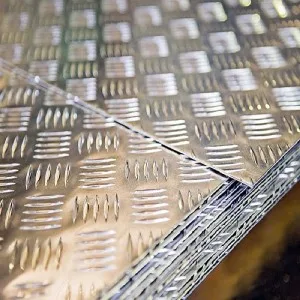


When sourcing from an aluminum coil manufacturer in China, B2B buyers need more than a product name or a basic quotation request. A reliable procurement specification should connect the aluminum coil …
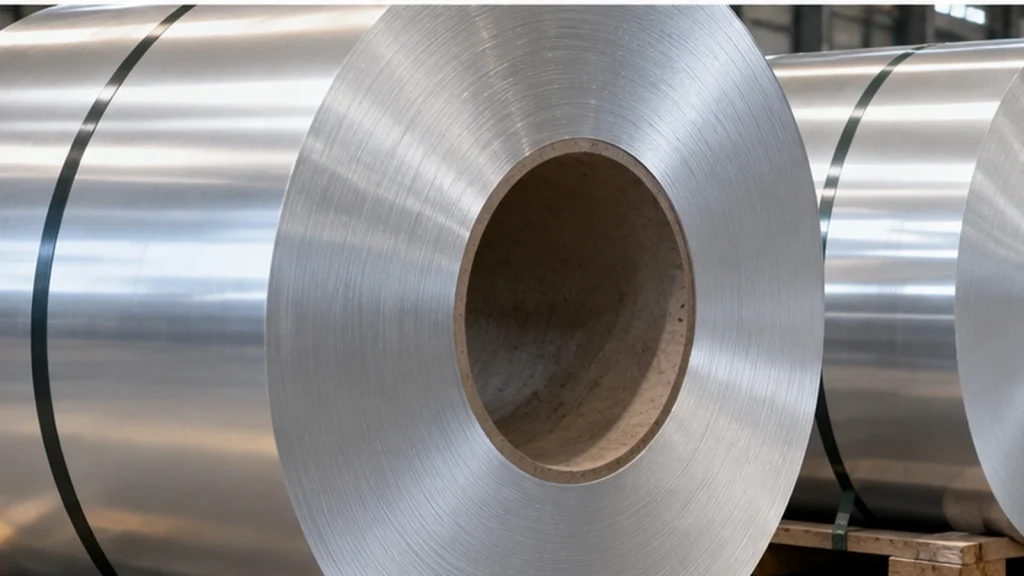
When evaluating an aluminum coil prices supplier in China, buyers should verify supplier evidence and product fit before comparing the headline price. For a 5052 aluminum requirement, the RFQ should d…

3003 alloy aluminum coil is an Al-Mn, non-heat-treatable material used where formability and corrosion resistance matter. But a B2B buyer cannot build a reliable quotation around the words “3003…
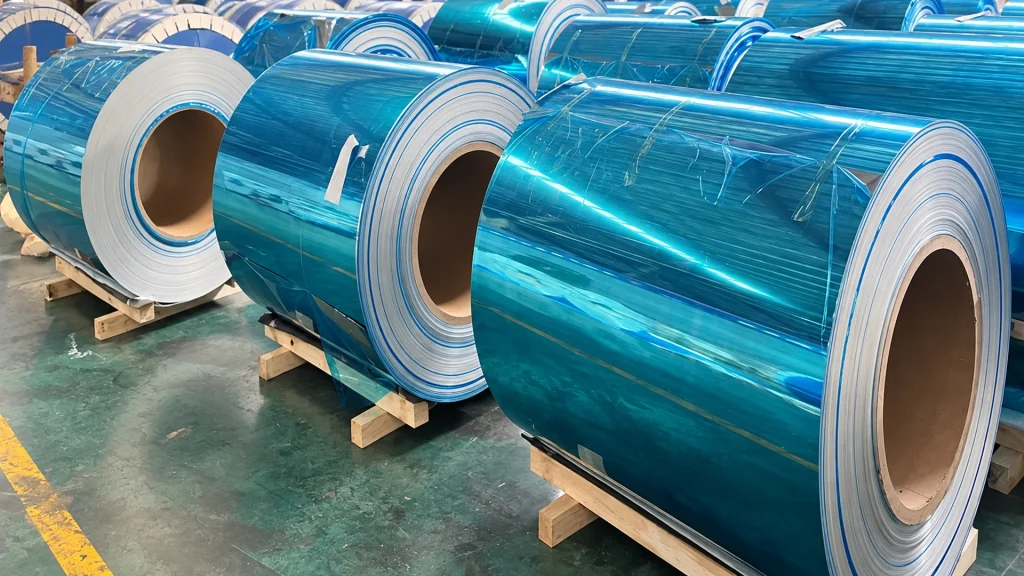
A bend-test result for prepainted aluminum coil is useful when the tested material, method and acceptance conditions are identified together. A rating such as 0T or 2T describes performance under a sp…

Direct Answer: Buyers should ask an anodised aluminum sheet supplier China sourcing teams are reviewing to define the base alloy, temper, thickness, sheet size, anodizing sequence, finish, color-contr…

Before production, buyers should freeze the 5083 aluminum coil’s governing material standard, temper, thickness and tolerance, width and edge condition, coil inside diameter, maximum outside dia…
Prepainted coil can simplify production when the forming process leaves the visible surface intact. Painting after forming may be preferable for shapes that would damage a precoated surface or need coverage on cut edges and formed features.
Not necessarily. If both sides will be visible or exposed, specify the appearance and coating requirements for each side rather than assuming the back matches the face.
A bend test shows how a particular sample performed under stated test conditions; it does not establish suitability for every panel shape. Compare the test conditions with your forming process and inspect formed samples for cracking or loss of adhesion.
No. Film helps protect the surface during handling and fabrication, while the coating must suit the finished part’s exposure. If film is needed, agree on where it will be applied and when it should be removed.
Confirm coil identification, packaging, delivery terms and who is responsible for each stage of transport. Ask how the coils will be protected in transit, especially if surface marks or moisture could affect their intended use.
Tell us the end use and forming method, the coating or color reference you need, and the required coil dimensions and quantity. We can then discuss a suitable specification and confirm the production route.