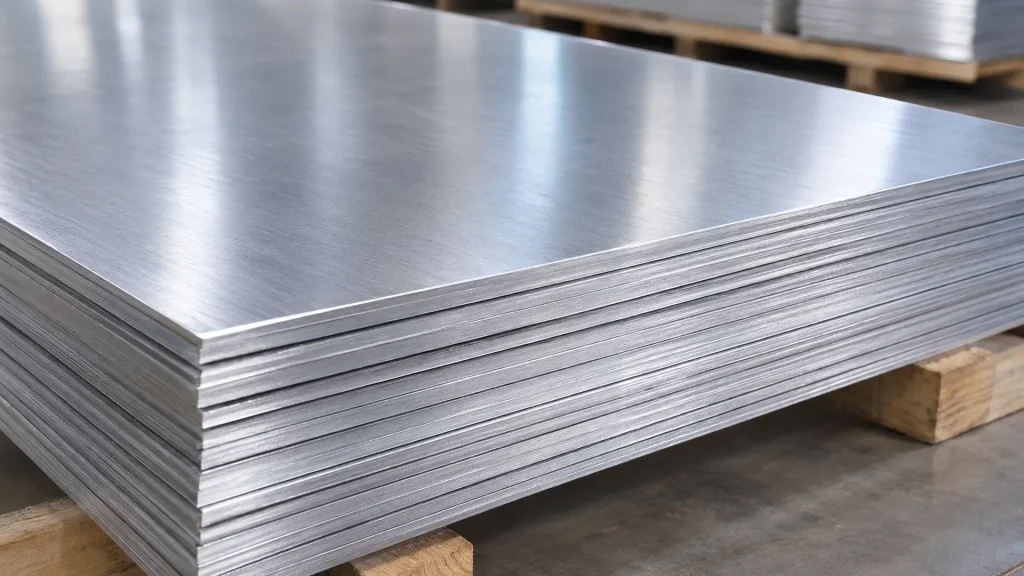
Colored Anodized Aluminum Sheet for China factory Projects | SUZHOU TOP METAL MATERIALS CO.,LIMITED

Colored Anodized Aluminum Sheet for China factory Projects

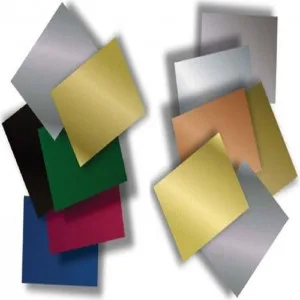
Colored anodized aluminum sheet can give panels, signs and trim a metallic finish with color integrated into the anodized surface. The key decision is not just the shade: the base sheet, surface texture and finish must suit how the part will be cut, formed and seen.

Related Products

Match the sheet finish to the finished part

Sheet and finish criteria

Compare colored anodized sheets by base-metal thickness, surface texture, color reference and planned fabrication steps. If edges remain visible, include their required appearance in the selection.

Criterion What To Check Why It Matters Buyer Tip
Color match between batches Compare physical samples under the lighting used at the installation site. A color name alone may not capture shade differences on adjoining panels. If buying from China, can you approve a sample made with the intended color process?
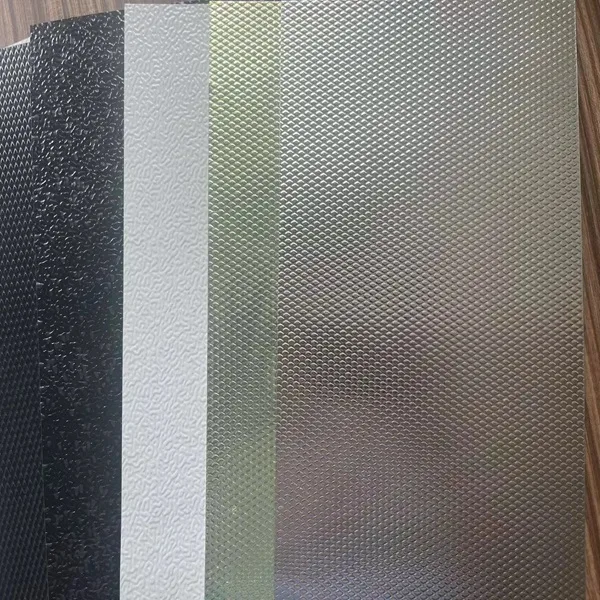
Surface finish Compare gloss, texture and any visible grain on samples. The same color can look different on brushed and smooth surfaces. Can the manufacturer provide a sample that matches the finish you intend to order?
Anodized layer for the intended use State whether the sheet will face sunlight, handling, cleaning or abrasion, and ask for the proposed finish specification. Appearance and wear requirements vary between decorative panels and frequently handled parts. What finish does the factory propose for the sheet’s actual exposure?
Base-metal thickness Ask for the aluminum sheet thickness separately from the anodized layer. The finish does not replace the base metal needed for stiffness and fit. Can suppliers confirm which thickness refers to the base metal?
Cutting and forming sequence Share the part drawing and identify any bends or edges that will remain visible. Cutting can expose bare edges, while forming a finished sheet may affect its appearance. Will the sheet be colored before or after the required cutting and forming?

Set the color and fabrication requirements

Anodizing is different from applying an opaque paint. The metal’s starting appearance remains part of the finished look, so two sheets described by the same color name may not look identical. Ask for a physical sample in the intended finish and view it under the lighting where the part will be used.

Also decide when the sheet will be fabricated. Cutting after anodizing can expose uncolored edges, while forming a finished sheet may affect its appearance. For visible edges or bends, agree on the fabrication sequence before approving the color.

Start with the appearance that matters in the finished part: color, gloss or matte character, and whether adjacent panels must match. A color name or screen image is a poor approval standard. Give suppliers a reference sample and ask how they control variation between sheets and orders.

Specify the base-metal thickness separately from the anodized finish. The sheet must still meet the part’s forming and stiffness needs; a finish choice cannot correct an unsuitable substrate. If the design includes bends, ask the manufacturer which base sheet and fabrication sequence they recommend for that geometry.

Match the finish to its exposure. Indoor decorative trim, frequently handled surfaces and outdoor panels raise different questions about wear and color retention. Ask what finish options are available for the intended use and what sample or test information can support the choice.

For buyers in China or sourcing from a China-based factory, confirm who will approve the reference sample and whether production sheets can be compared against it. Send a drawing or dimensions, the intended use and your color reference so the discussion moves beyond a shade name.

Criteria Importance Description Example Options
Anodized versus painted finish Decisive when the design calls for either a metallic look or an opaque color. Anodizing retains more of the underlying metal’s appearance; paint can cover it. Compare physical samples rather than relying on color names. A brushed-looking trim may favor anodizing, while a solid-color panel may call for a painted finish.
Base sheet and surface texture Important for both the part’s shape and its visible appearance. Sheet thickness affects stiffness and forming suitability, while the starting texture influences how the finished surface looks. Two sheets with the same named shade can look different if one starts with a matte surface and the other with a brighter one.
Fabrication sequence Critical when bends or cut edges remain visible. Compare finishing before fabrication with fabricating before finishing, and agree on the appearance required at edges and bends. A flat sign blank and a folded trim piece may need different finish-sequence discussions.
Exposure and handling Relevant to the finish choice and the evidence needed to approve it. Consider where the part will be installed, how often it will be touched and how it will be cleaned. Ask suppliers what information supports the proposed finish for that use. An indoor display panel and an outdoor sign face call for different suitability questions.

Product Selection

Related Options

For a run of adjacent wall panels, consistent appearance across sheets may matter more than finding a close color on one sample. Agree on the viewing conditions and an approved reference before committing to the finish.

Blog Articles / Reviews

Frequently Asked Questions

Is colored anodized sheet suitable for an outdoor sign?

It may be, but the color and finish need to suit the sign’s exposure, cleaning routine and expected service life. Ask the manufacturer what outdoor-use information is available for the proposed finish before approving it.

When would painted aluminum be a better choice?

Paint is worth comparing when you need an opaque color that hides the metal’s starting appearance. Anodizing retains a metallic look, but neither finish should be chosen from a color name alone; compare physical samples for the intended application.

Is the color present through the full thickness of the sheet?

No. Anodized color is associated with the treated surface, not the full depth of the base metal. A cut edge can therefore look different from the sheet face.

What should I ask a factory before ordering a color match?

Provide a physical reference and ask whether the proposed base sheet and finish can be sampled against it. Confirm how acceptable variation will be agreed for adjacent sheets and later orders.

Leave Your Message

Share your sheet dimensions or drawing, intended application and a color reference. Note any visible cut edges or bends so the finish and fabrication sequence can be discussed.