

Stucco Embossed Aluminum Sheet
A stucco embossed finish is designed to have superior durability, reduce glare and reflectivity, and also to give aluminum a decorative finish. The stucco aluminum sheet is also a finish that can stan…
Read MoreEmbossed Aluminum Sheets Selection Guide | SUZHOU TOP METAL MATERIALS CO.,LIMITED
Embossed aluminum sheets add a raised texture to a panel or cover. For insulation jacketing, the main choice is often a fine stucco texture that helps disguise minor handling marks; for a visible panel, the pattern’s appearance may matter more.
Choose the pattern around the job, then check that the sheet can be formed, fitted and cleaned as required.
A stucco embossed finish is designed to have superior durability, reduce glare and reflectivity, and also to give aluminum a decorative finish. The stucco aluminum sheet is also a finish that can stan…
Read More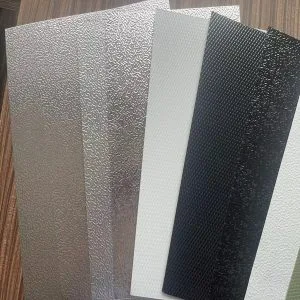
1050 embossed aluminum sheets are a specific type of aluminum alloy, characterized by their unique embossed surface and properties that make them suitable for various applications
Read More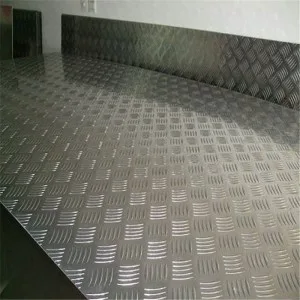
Series 1000 aluminum alloy is also known as “industrial pure aluminum”, which has the most wide uses in many territories, such as industry, architecture, decorative building, marine, aircraft, etc. Th…
Read More
Aluminum embossed plate coils are commonly used in various industries, including automotive, construction, and signage. They are lightweight, durable, and resistant to…
Read More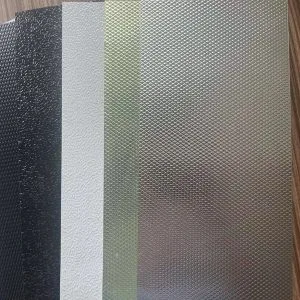
Embossed aluminum coil are widely used in refrigerator, solar heat reflectors, decorative aluminum products, lamps, bags, disinfection box, air conditioning, ventilation ducts,…
Read More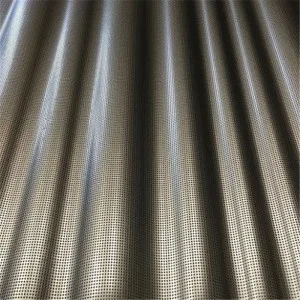
Aluminum sheet plate is widely used, including various industries in our society. Ordinary aluminum alloy plate through some simple processing, can play a more extensive role….
Read MoreSheet selection
Compare embossed sheets by pattern scale, base-sheet thickness, alloy and temper, finish, and the size needed after cutting or forming. Match those details to the installed part, not just to a surface photograph.
| Criterion | What To Check | Why It Matters | Buyer Tip |
|---|---|---|---|
| Embossed pattern | Compare pattern samples under the lighting and viewing angle of the finished part. | Stucco and geometric patterns look different and conceal handling marks differently. | Which pattern matches the appearance and handling needs of your application? |
| Sheet thickness | Confirm whether the stated thickness refers to the base metal or includes the raised pattern. | The distinction affects fit, forming, and material comparison. | Ask for the base-metal thickness and overall embossed thickness separately. |
| Alloy and temper | Match the proposed alloy and temper to any bends, curves, or formed edges. | A sheet suited to flat cladding may not form as easily around tight shapes. | Share a drawing of the most demanding bend or formed feature. |
| Surface finish | Specify whether the sheet will be bare or coated, and describe its exposure. | Appearance and maintenance needs differ between indoor panels and exposed jacketing. | Will the finished sheet face weather, cleaning chemicals, or frequent contact? |
| Sheet size and pattern direction | Confirm cut dimensions, edge requirements, and whether the pattern has a preferred orientation. | These details affect panel alignment and the amount of trimming needed. | Provide a panel layout if adjacent sheets must have a consistent appearance. |
Stucco embossing and pronounced raised patterns serve different purposes. Stucco gives the surface a subtle, irregular texture without making the pattern a dominant visual feature. A more prominent pattern is easier to see, but it can affect how panels meet at edges and how the surface is cleaned. Neither pattern alone establishes a slip-resistance rating or load capacity, so a walking surface needs separate performance requirements.
Start with the installed shape. A sheet wrapped around insulation must suit the bends and seams in the jacketing design; a flat decorative panel may put more weight on pattern direction and appearance. Ask for a pattern sample if adjacent sheets must look consistent.
Specify thickness carefully. Embossing creates high and low points, so clarify whether a stated thickness refers to the base sheet or an overall measurement. Alloy and temper also matter when the sheet must be bent or formed.
Consider the exposed surface. A bare finish and a coated finish can differ in appearance, cleaning needs and suitability for the service environment. If the sheet will be handled often or installed outdoors, describe those conditions rather than assuming the texture provides protection.
Before ordering, confirm the usable sheet size, required pattern orientation and any edge or flatness requirements with SUZHOU TOP METAL MATERIALS CO.,LIMITED. Those details are easy to miss when selecting from a pattern image alone.
| Criteria | Importance | Description | Example Options |
|---|---|---|---|
| Embossed versus smooth sheet | Important where appearance and cleaning both matter | Embossing adds visible texture and may make minor marks less noticeable; a smooth sheet may be simpler to wipe clean and gives an uninterrupted finish. | A visible equipment cover may benefit from texture, while a surface cleaned frequently may favor smooth sheet. |
| Fine versus pronounced pattern | Important for seams, forming and visual effect | A fine pattern is less visually dominant; a pronounced pattern draws attention but may need closer checks at joints and formed edges. | Compare a stucco texture with a bold raised pattern on a sample of the finished panel. |
| Bare versus coated finish | Depends on exposure and appearance requirements | The finish affects color, surface care and suitability for the service environment. Confirm the finish independently of the embossed pattern. | Specify the cleaning conditions for an indoor panel or the exposure conditions for an outdoor cover. |
| Continuous versus ventilated surface | Decisive when airflow through the sheet is required | Embossed sheet remains a continuous surface; perforated sheet has openings that permit airflow but change coverage and appearance. | An enclosure that needs ventilation calls for an opening design, not just a raised texture. |
Related Options
For insulation jacketing, a fine stucco pattern may be a better starting point than a bold decorative pattern because seams and bends are central to the application. Confirm the forming requirements and finish before settling on the texture.


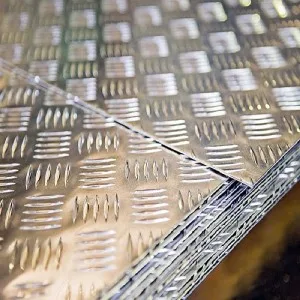




Stucco embossed aluminum sheet changes the surface appearance of insulation jacketing. Its irregular texture makes minor handling marks less conspicuous and reduces glare compared with a smooth finish…
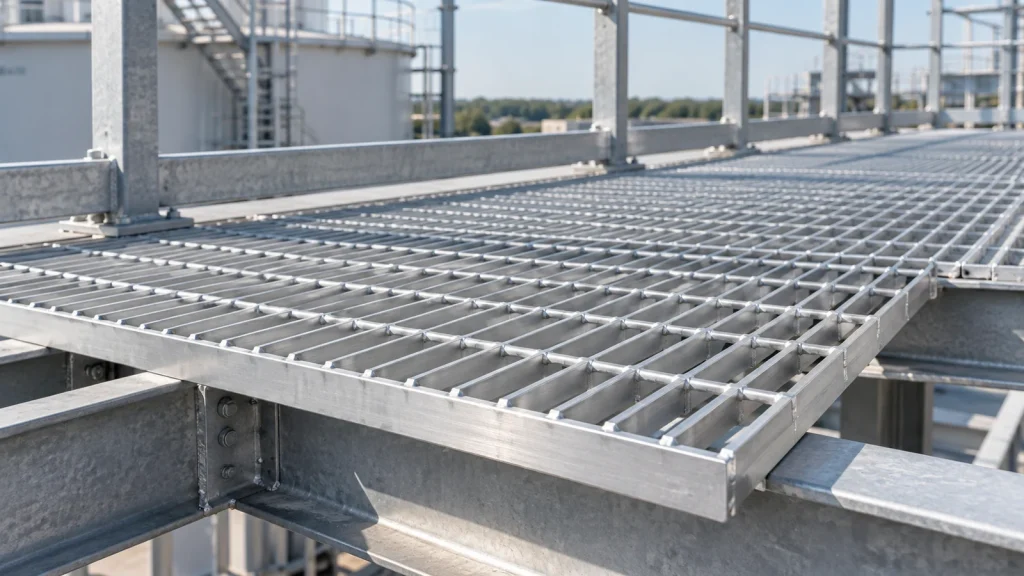
An aluminum bar grating load table is useful only when its product configuration, span, loading pattern and design assumptions match the panel being considered. Check the required load and the corresp…

Perforated aluminum sheet can provide a ventilation path, but open-area percentage is not an airflow or pressure-drop rating. Begin with the hole pattern, calculate the openings available after solid …

When sourcing from an aluminum coil manufacturer in China, B2B buyers need more than a product name or a basic quotation request. A reliable procurement specification should connect the aluminum coil …

When buyers search for a reflective aluminum sheet manufacturer, the key challenge is usually not finding a supplier website. The more important question is whether the supplier can provide a product …

3003 alloy aluminum coil is an Al-Mn, non-heat-treatable material used where formability and corrosion resistance matter. But a B2B buyer cannot build a reliable quotation around the words “3003…
Yes, if the chosen sheet and finish suit the jacketing design and service conditions. Texture can help disguise minor handling marks, but the seams and installation details still determine how well the jacket covers the insulation.
Choose embossed sheet for a textured, continuous surface. If the cover needs airflow through the metal, consider perforated sheet instead; embossing does not create ventilation openings.
No. The pattern changes the surface texture, not the metal’s inherent resistance to its environment. Describe exposure to weather, cleaning chemicals or other conditions so the alloy and finish can be assessed.
Share a drawing showing the bends and which face will remain visible. Ask whether the proposed alloy, temper and pattern suit that shape, particularly if the pattern must remain consistent across adjacent parts.
Make sure each quotation uses the same definition of thickness and includes the required sheet dimensions, finish and edge condition. If appearance matters, agree on a sample before comparing sheets by price alone.
Tell us the application, the sheet size and thickness you need, and the pattern or finish you have in mind. A drawing or photo of the finished part can help clarify bends and seams.