China Gauges Of Aluminum Sheet Metal Manufacturer, Factory & Suppliers should be evaluated by sheet gauge range, alloy options, surface requirements, tolerance needs, and whether the supplier can support your OEM application.
A useful inquiry should include drawings or size details, target use, quantity range, packaging requirements, destination, and sample approval steps. This helps the supplier confirm fit instead of sending only a general product list.
Begin with the application. Tell the supplier whether the aluminum sheet metal will be cut, bent, stamped, assembled, coated, or used as a visible part. Gauge selection should match the processing method, strength requirement, and appearance expectations.
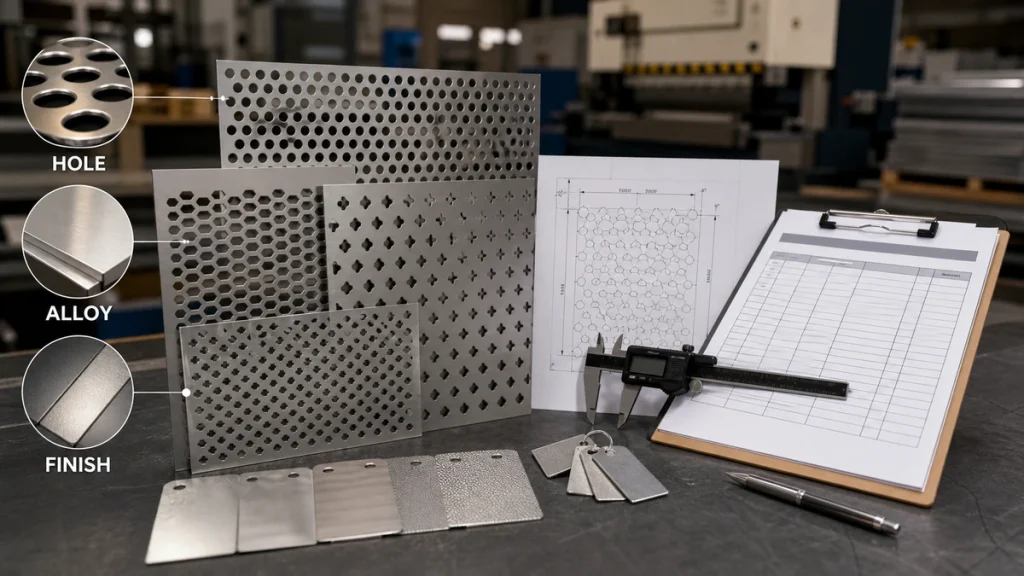
Next, define the customization scope. Share thickness, width, length, alloy preference, surface finish, protective film needs, hole patterns, branding, or packing format if relevant. For OEM project planning, drawings, reference samples, or photos can reduce repeated clarification.
Before requesting a price, prepare the order structure. Include trial quantity, expected bulk quantity, delivery destination, target lead time, inspection needs, and whether the first order requires sample approval. This makes supplier replies easier to compare.
When reviewing responses, look for clear comments on application fit, available gauges, minimum order details, packaging methods, and export order preparation. A supplier that asks specific follow-up questions may help you avoid mismatched materials or approval delays.