

Thick Aluminum Sheet
The next finer classification is the aluminium sheet standard sizes. Standard aluminium sheet sizes include aluminium sheet metal thickness, width and length. When ordering aluminum alloy sheet, custo…
Read MoreHow To Cut 040 Thick Aluminum Sheet Stock Sourcing in China: Manufacturer, suppliers and factory | SUZHOU TOP METAL MATERIALS CO.,LIMITED
For an operations manager reviewing bulk aluminum sheet needs, this page helps organize the key details behind China How To Cut 040 Thick Aluminum Sheet Stock Manufacturer, Factory & Suppliers. The focus is on matching material grade, sheet size, thickness tolerance, surface condition, and packing format before moving into price comparison.
Use the product sections, guide notes, and inquiry prompts as a specification checklist. Clear requirements make supplier communication more efficient and help reduce confusion during RFQ review, sample discussion, and export order preparation.
The next finer classification is the aluminium sheet standard sizes. Standard aluminium sheet sizes include aluminium sheet metal thickness, width and length. When ordering aluminum alloy sheet, custo…
Read More
A stucco embossed finish is designed to have superior durability, reduce glare and reflectivity, and also to give aluminum a decorative finish. The stucco aluminum sheet is also a finish that can stan…
Read More
Mill Finish Aluminum Sheet Circle 1060 1070 1100 3003 Aluminum Plate For Cookware Aluminum circle 1050 1060 1070 3003 etc is mainly used in making cookware, like non-stick pan, pressure cooker, hardwa…
Read More
3003 Aluminum Sheet Features ♦ Alloy: 3003 ♦ Temper: H14, H16, H18, H22, H24, H26, O ♦ Thickness(mm):0.25-10 ♦ Width(mm):800-2200 ♦ This series aluminum sheet is anticorrosive and its production techn…
Read More
China brushed anodized aluminum sheet copper color anodising black aluminium plate Anodized aluminum sheet is a sheet metal product consisting of aluminum sheeting exposed to an electrolytic passivati…
Read More
5083 aluminium alloy is an aluminium alloy with magnesium and traces of manganese and chromium. It is highly resistant to attack by seawater and industrial chemicals. Alloy 5083 retains exceptional st…
Read MoreAluminum Sheet Stock Specification Guide
The related product list helps you compare China How To Cut 040 Thick Aluminum Sheet Stock Manufacturer, Factory & Suppliers by actual product direction rather than keyword wording alone. Check whether each product supports bulk purchasing evaluation, then use the table below to prepare a clearer RFQ.
| Criterion | What To Check | Why It Matters | Buyer Tip |
|---|---|---|---|
| Alloy/temper | Match grade and hardness | Affects cut edge and forming | List exact spec in RFQ |
| 040 thickness tolerance | Confirm inch/mm range | Controls fit and nesting | Ask for mill tolerance |
| Sheet size | Verify length, width, flatness | Impacts yield and handling | Share cutting layout |
| Surface condition | Inspect coating, scratches, burrs | Reduces rework risk | Request sample photos |
| Packing/export needs | Confirm pallet, film, labels | Protects bulk orders in transit | Define marking rules |
China How To Cut 040 Thick Aluminum Sheet Stock Manufacturer, Factory & Suppliers should be evaluated by whether the supplier can support the required aluminum material, 0.040 inch thickness reference, sheet dimensions, surface finish, cutting tolerance, and order configuration. The best starting point is a complete technical request, not only a price question.
For bulk purchasing evaluation, share the application, quantity range, destination, packing expectations, and any cutting or fabrication needs. This allows the supplier to confirm product fit, available options, inspection approach, and after-sales communication process.
Begin with a specification checklist. Confirm the aluminum alloy or grade, temper, nominal thickness, required width and length, surface finish, protective film needs, and whether sheets will be cut, bent, stamped, or further processed after delivery. These details help determine whether standard stock or custom processing is more suitable.
Next, review size and configuration matching. For 0.040 inch aluminum sheet stock, clarify acceptable thickness tolerance, flatness expectations, edge condition, sheet quantity per bundle, pallet limits, and labeling requirements. If your team is preparing an RFQ, include drawings, photos, or previous sample references where possible.
Quality review should cover inspection items before shipment. Ask how material identification, dimensions, surface appearance, packaging condition, and order consistency can be checked. If samples are needed, confirm sample size, lead time, freight method, and how sample feedback will be documented before bulk order confirmation.
Supplier communication is also part of the sourcing decision. Compare how clearly each factory or supplier responds to technical questions, custom options, export documentation needs, and after-sales support. A useful response should help your team verify application fit rather than only provide a general product list.
| Criteria | Importance | Description | Example Options |
|---|---|---|---|
| Alloy and temper | High | Matches forming and use needs | 5052 H32 or 3003 H14 |
| Cut tolerance | High | Controls fit and assembly | Specify target tolerance |
| Surface condition | Medium | Affects appearance and finishing | Mill finish or protected |
| Edge quality | Medium | Reduces rework after cutting | Low burr requirement |
| Packing details | Medium | Supports export handling checks | Labeled bundles or sheets |
Recommended Products
Top product matches should be reviewed by fit, specification clarity, customization readiness, and how well they support specification checklist. Use these factors to shortlist practical options before contacting the supplier.
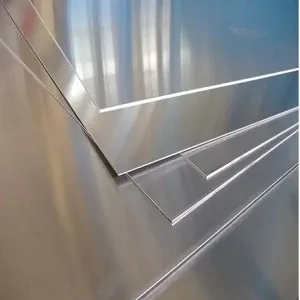



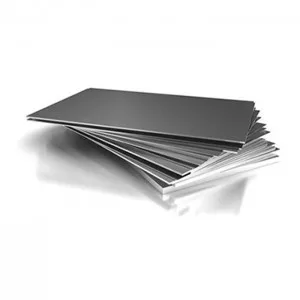


Aluminum sheet flatness should be specified before purchase, especially when the material will be laser cut, punched, bent, machined, laminated, or used as a visible panel. This matters to sheet-metal…

How to compare 5052, 5083, 6061 and 7075 aluminum
When anodized sheet is better than mill finish aluminum

Is Your Aluminum Bar Causing CNC Turning Runout? Aluminum bar may contribute to CNC turning runout when it is bent, out of round, inconsistent in diameter, damaged near the clamping area, or deformed …
Buyer feedback on this type of sourcing page is often most useful when comparing supplier options, preparing an RFQ, reviewing export order needs, or organizing sample questions. Focus on comments related to technical clarity, specification matching, quality checks, and communication speed.
I used this tag page to clarify how to cut .040 thick aluminum sheet stock without mixing up shearing, scoring, and edge-finish questions.
I needed cleaner RFQ wording, and this helped me explain how to cut 040 thick aluminum sheet stock for small panels and consistent edges.
I compared cutting methods here before asking suppliers whether snips, saws, or shears made sense for our .040 aluminum sheet stock application.
I liked that the page kept my focus on practical handling, burr control, and cut planning for 040 thick aluminum sheet stock.
For China How To Cut 040 Thick Aluminum Sheet Stock Manufacturer, Factory & Suppliers sourcing, include alloy, temper, sheet size, cut size, tolerance target, edge requirement, surface protection, grain direction if relevant, and packing expectations.
Operations managers should confirm alloy grade, temper, thickness tolerance, width, length, flatness, surface finish, and protective film needs. These details help compare factory and supplier responses against the same material and configuration checklist.
Ask suppliers how they inspect cut dimensions, burr level, edge squareness, surface marks, and sheet handling after cutting. Request measurement methods and sample photos or sample pieces to support a practical quality review.
Share whether the sheet will be used for panels, covers, signage, enclosures, liners, or fabrication blanks. Application context helps the manufacturer suggest suitable alloy, temper, finish, cut tolerance, and packaging approach.
Common custom points include cut-to-size formats, protective film, surface finish preference, hole-free blanks, tolerance requirements, packaging style, and labeling. Confirm feasibility based on alloy, temper, sheet dimensions, and downstream processing needs.
Ask how nonconforming dimensions, surface concerns, packing damage reports, documentation questions, and reorder specification changes are handled. Clear communication procedures help operations teams manage export purchasing records and future order consistency.
Send your inquiry with material grade, thickness, sheet size, finish, quantity, destination, cutting requirements, and packaging expectations. The more complete the specification, the easier it is to review application fit and confirm available custom options.