
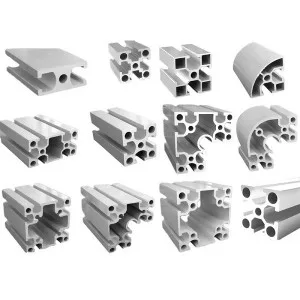
Custom aluminum profile manufacturer
Custom Aluminium profile is widely used in construction, machinery, industry, etc. Aluminium profiles are a great way to add both style and function to your home.
Read MoreHow to Cut Aluminum Profiles: China Manufacturers, Factories & Suppliers | SUZHOU TOP METAL MATERIALS CO.,LIMITED
Use this page to evaluate China How To Cut Aluminum Profile Manufacturer, Factory & Suppliers from the perspective of custom specification confirmation. It brings together related products, practical selection checks, and buyer questions so your inquiry can be more specific from the beginning.
For a project engineer, the most useful starting point is brand customization and project consistency. Review the product matches, comparison notes, FAQs, and recent buyer-style feedback before sending final requirements.
Custom Aluminium profile is widely used in construction, machinery, industry, etc. Aluminium profiles are a great way to add both style and function to your home.
Read More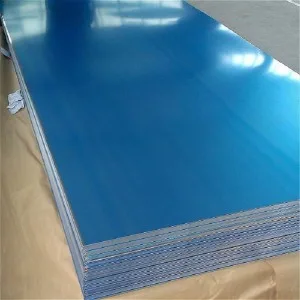
Aluminium 1080A, with the European designation EN AW-1080A is a ‘commercially pure’ alloy, minimum 99.8% Al, available as round bar or wire For the 1080 industrial pure aluminum, with high plast…
Read More
A stucco embossed finish is designed to have superior durability, reduce glare and reflectivity, and also to give aluminum a decorative finish. The stucco aluminum sheet is also a finish that can stan…
Read More
3003 Aluminum Sheet Features ♦ Alloy: 3003 ♦ Temper: H14, H16, H18, H22, H24, H26, O ♦ Thickness(mm):0.25-10 ♦ Width(mm):800-2200 ♦ This series aluminum sheet is anticorrosive and its production techn…
Read More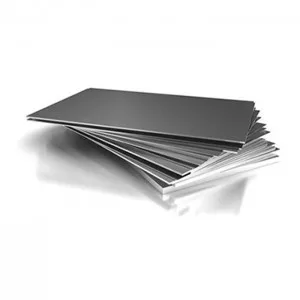
Aluminum and aluminum alloys are gradually becoming strong members in various modern industries at present. In the meantime, high quality products of common aluminum alloys are now playing an importan…
Read More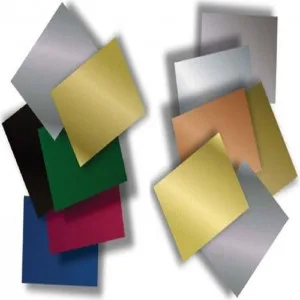
Anodized Aluminum is corrosion and abrasion resistant meaning it will not fade, chip, peel, or flake. Anodizing is a process used to increase the thickness of the natural oxide layer on the surface of…
Read MoreBuyer risk reduction
The related product list helps you compare China How To Cut Aluminum Profile Manufacturer, Factory & Suppliers by actual product direction rather than keyword wording alone. Check whether each product supports custom specification confirmation, then use the table below to prepare a clearer RFQ.
| Criterion | What To Check | Why It Matters | Buyer Tip |
|---|---|---|---|
| Cut length tolerance | Confirm target lengths and tolerance | Reduces fit and assembly risk | Approve a measured sample first |
| Profile specification | Verify alloy, temper, shape, and wall thickness | Supports application fit | Send drawings or section samples |
| Cut-end quality | Review burrs, squareness, and damage | Improves downstream processing | Define acceptance photos or samples |
| Brand customization | Confirm labels, packaging, and marking | Keeps project presentation consistent | Document artwork and pack counts |
| Quality and support | Ask for inspection records and issue process | Clarifies buyer risk after delivery | Agree checks before production |
China How To Cut Aluminum Profile Manufacturer, Factory & Suppliers should be compared by application fit, specification scope, customization path, and supplier communication quality. A stronger inquiry does not only ask for a catalog; it explains the project context, expected quantity, destination, and decision priority.
This page is organized around buyer risk reduction and specification checklist, helping you turn a broad keyword into practical questions for a supplier.
Start by defining how how to cut aluminum profile will be used, what performance or appearance details matter, and which specifications cannot be changed. This gives the supplier a clear frame for recommending matching products.
Next, compare size range, material, finish, structure, packaging, accessories, and any branding or customization needs. If the project involves custom specification confirmation, include photos, drawings, sample references, or target market notes.
Before asking for a quotation, prepare quantity range, destination, expected timeline, and the approval process. For repeat orders, also ask how samples, inspection details, and packaging consistency will be handled.
When comparing replies, focus on brand customization and project consistency. A supplier that asks relevant follow-up questions is often easier to evaluate than one that sends only a general product list.
| Criteria | Importance | Description | Example Options |
|---|---|---|---|
| Sample reference | High | Align production discussions with an approved physical sample. | Signed sample with revision number |
| Technical specification | High | Define dimensions, alloy, temper, finish, and cut tolerances. | CAD drawing and tolerance list |
| Cut quality | High | Check length, angle, burrs, holes, and assembly fit. | Inspection record with photographs |
| Application fit | High | Relate profile selection to loads, environment, and assembly. | Application review checklist |
| Custom consistency | High | Control finish references, revisions, marking, and packaging details. | Approved specification change log |
Recommended Products
Top product matches should be reviewed by fit, specification clarity, customization readiness, and how well they support buyer risk reduction. Use these factors to shortlist practical options before contacting the supplier.

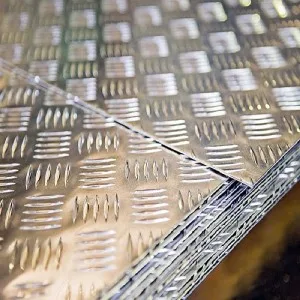




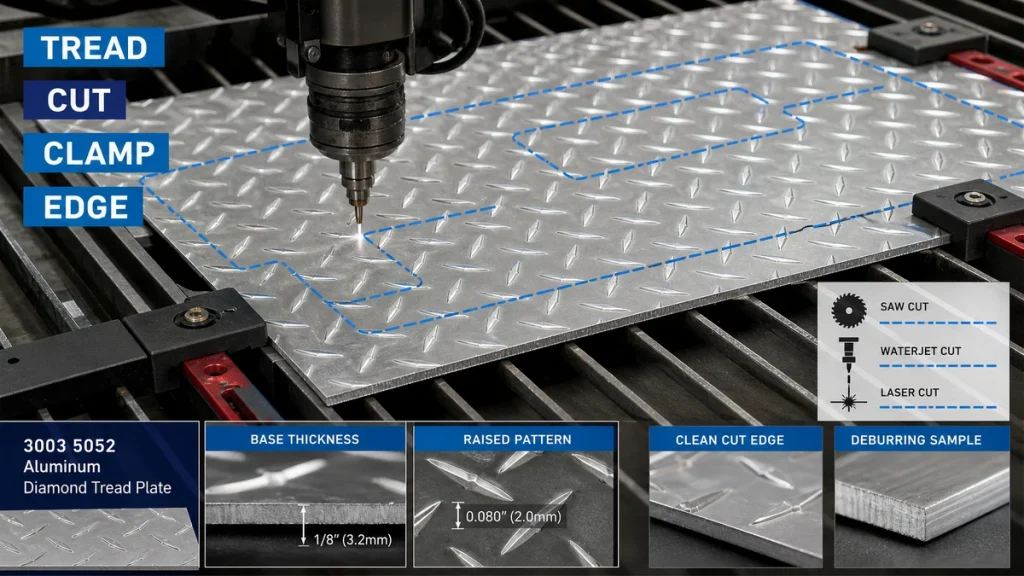
How Should Fabricators Cut Diamond Tread Aluminum Sheet Without Distorting the Pattern or Edges? For fabricators of flooring, steps, toolboxes, and industrial panels, when assessing how to cut diamond…
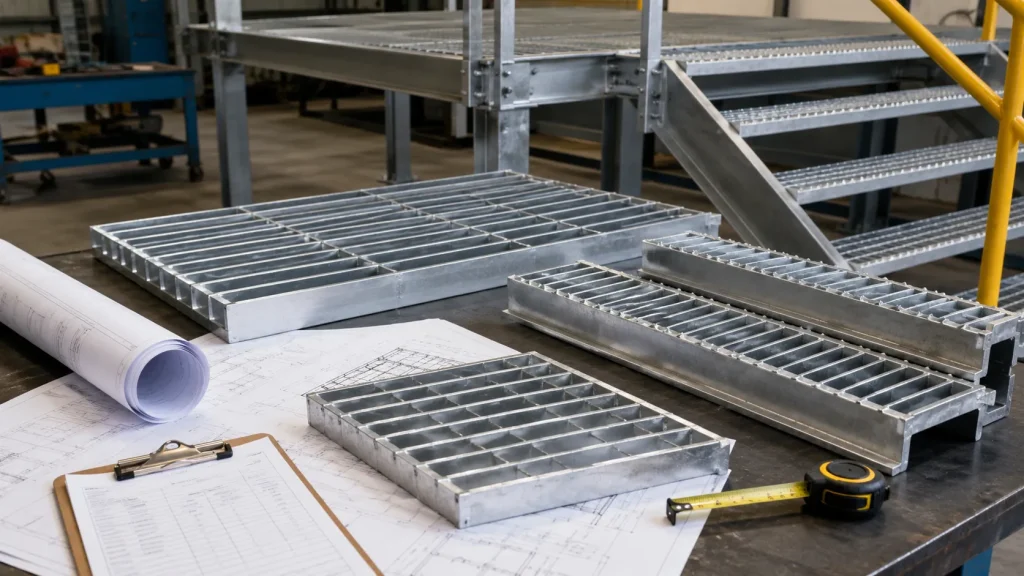
Direct Answer: Buyers should specify aluminum bar grating from the load path outward: first define the walkway or stair application, clear span, support layout, load and deflection basis; then confirm…

How to compare 5052, 5083, 6061 and 7075 aluminum
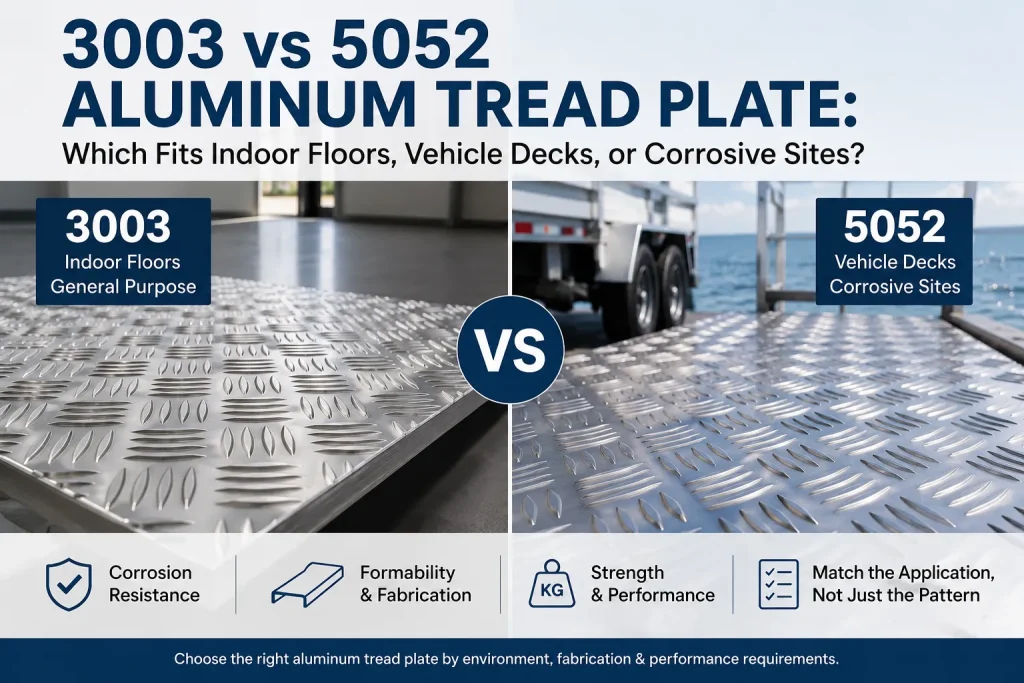
Direct Answer: Choose 3003 or 5052 aluminum tread plate by the operating environment and fabrication route, not by the tread pattern alone. For general indoor flooring, 3003 can be a practical candida…
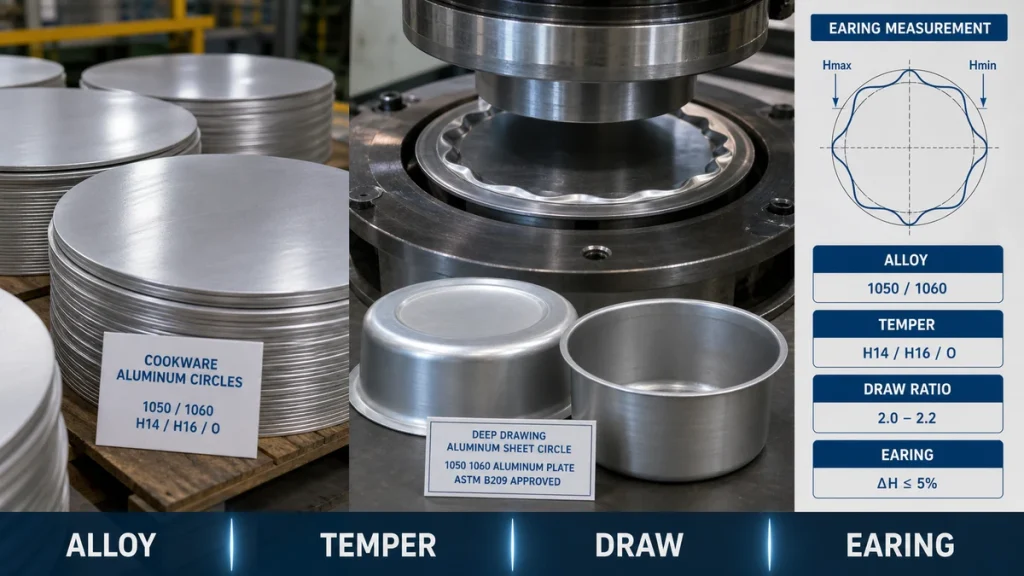
For cookware manufacturers and aluminum-disc procurement engineers, when assessing cookware aluminum circles, the practical answer is to choose alloy and temper from the vessel geometry, draw ratio, a…
Recent buyer-style notes can help you frame practical comparison questions around custom specification confirmation.
I used this guidance to compare saw choices, measuring steps, and burr cleanup before asking suppliers how to cut aluminum profile for our enclosure frames.
I needed a clearer process for how to cut aluminum profile consistently, and the practical sequence helped me prepare precise questions for a fabrication partner.
When planning modular workstation parts, I referred to the how to cut aluminum profile notes to think through measurements, blade selection, and edge finishing.
I appreciated having a buyer-focused checklist for how to cut aluminum profile, especially when discussing tolerances, cut lengths, and repeatability with potential suppliers.
Request a sample against the approved drawing, including alloy and temper, profile dimensions, finish, cut length, tolerance, and intended assembly. Record deviations and use the signed sample as the reference for subsequent custom-production discussions.
Provide the CAD drawing, cross-section, alloy and temper, surface finish, cut angle, length tolerance, hole or notch locations, allowable burr level, quantity assumptions, and packaging needs. This checklist reduces interpretation risk during quotation and sample review.
For each cut aluminum profile sample, compare cross-section dimensions, cut length, angle, finish, burrs, hole positions, and assembly fit against the approved drawing. Photograph findings and record measurable tolerances so quality decisions remain traceable during supplier comparison.
Define a documented process for reporting dimensional issues, sharing photographs and inspection records, requesting corrective feedback, and confirming replacement or rework responsibilities. Agree on response contacts and evidence requirements before approving the custom project.
Match the profile’s section, alloy, temper, finish, cut geometry, and assembly method to the project environment and loads. Ask the China supplier to review drawings and intended use, then document any assumptions requiring engineer approval.
Discuss profile geometry, cut lengths, finish or color references, marking or packaging instructions, and revision control. Confirm which options are technically feasible, how samples represent the specification, and which details must remain unchanged across project batches.
Tell us your how to cut aluminum profile requirements, quantity, destination, and expected application. Include details related to brand customization and project consistency for a more useful reply.