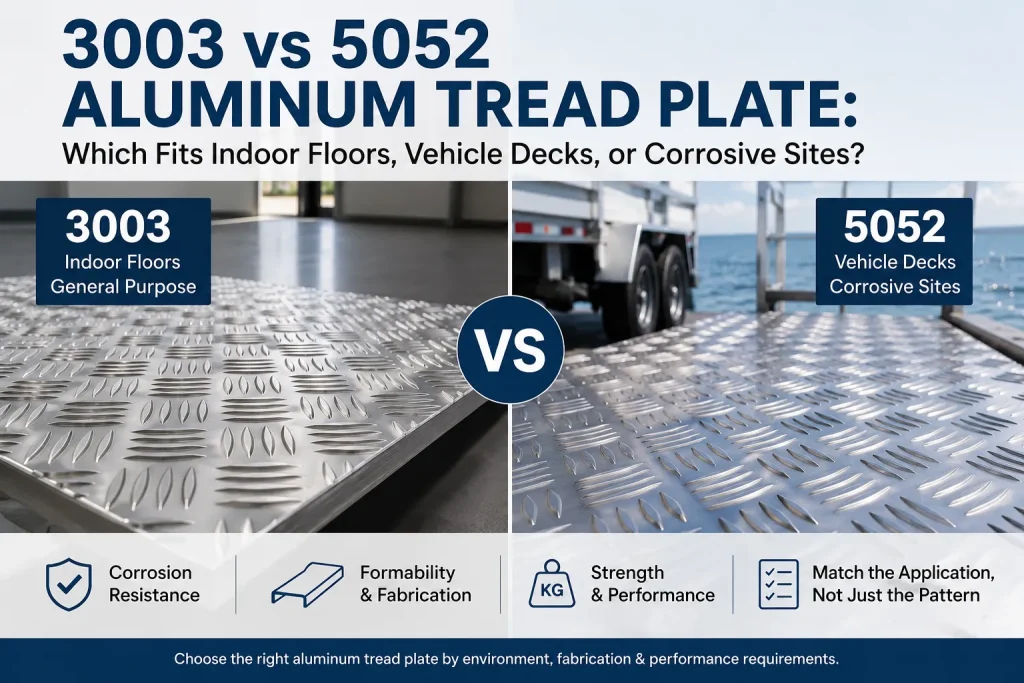
Diamond plate aluminum is not automatically stronger than flat sheet aluminum in every case. Strength depends on alloy, temper, thickness, pattern height, and how the material will be used in the final application.
For sourcing, the better question is which option fits your replacement project. Share the required size, surface pattern, load conditions, finish, packaging, and quantity so a supplier can confirm whether diamond plate or sheet aluminum is more suitable.
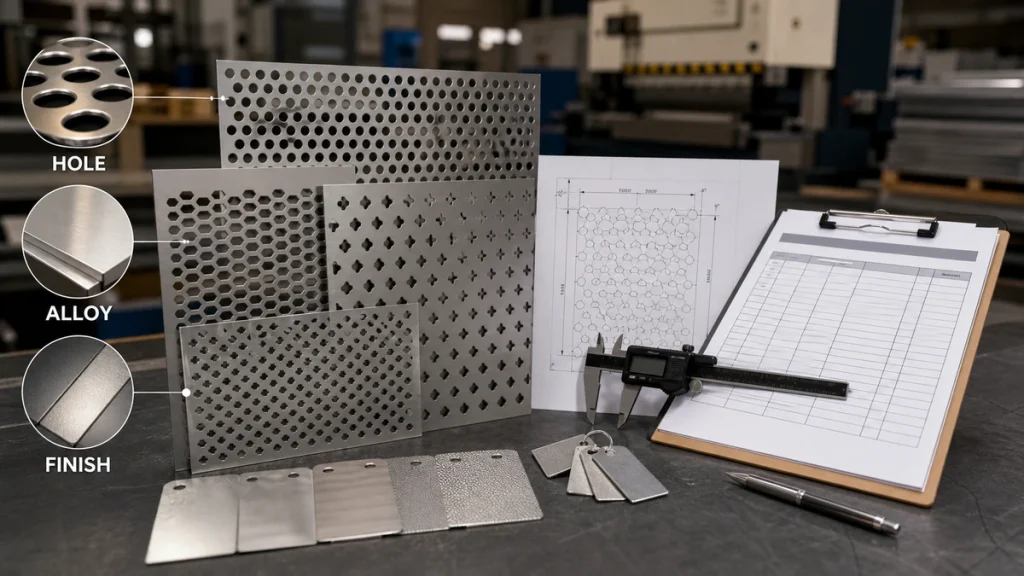
Start your shortlist by collecting the specifications of the product you need to replace. Include alloy grade if known, thickness, width, length, surface finish, pattern requirement, tolerance expectations, and any branding or packaging details used by your private-label program.
When asking suppliers for quotations, explain whether the material is used for flooring, panels, covers, toolboxes, decoration, transport equipment, or another application. This helps the supplier understand whether slip resistance, appearance, forming behavior, or flatness is the main concern.
Compare suppliers by how quickly and clearly they respond. A useful reply should confirm available specifications, custom options, sample process, lead time estimate, packing method, and what details are still needed before a formal quote can be prepared.
For replacement sourcing, avoid comparing price alone. Ask about quality checks, inspection records, after-sales communication, and how future repeat orders can be kept consistent with your current product line.