

Stucco Embossed Aluminum Sheet
A stucco embossed finish is designed to have superior durability, reduce glare and reflectivity, and also to give aluminum a decorative finish. The stucco aluminum sheet is also a finish that can stan…
Read MoreIs There Any Way To Solder Thin Aluminum Sheet Sourcing in China: Manufacturer, suppliers and factory | SUZHOU TOP METAL MATERIALS CO.,LIMITED
Use this page to evaluate China Is There Any Way To Solder Thin Aluminum Sheet Manufacturer, Factory & Suppliers from the perspective of bulk purchasing evaluation. It brings together related products, practical selection checks, and buyer questions so your inquiry can be more specific from the beginning.
For a operations manager, the most useful starting point is material, size, and configuration matching. Review the product matches, comparison notes, FAQs, and recent buyer-style feedback before sending final requirements.
A stucco embossed finish is designed to have superior durability, reduce glare and reflectivity, and also to give aluminum a decorative finish. The stucco aluminum sheet is also a finish that can stan…
Read More
China brushed anodized aluminum sheet copper color anodising black aluminium plate Anodized aluminum sheet is a sheet metal product consisting of aluminum sheeting exposed to an electrolytic passivati…
Read More
3003 Aluminum Sheet Features ♦ Alloy: 3003 ♦ Temper: H14, H16, H18, H22, H24, H26, O ♦ Thickness(mm):0.25-10 ♦ Width(mm):800-2200 ♦ This series aluminum sheet is anticorrosive and its production techn…
Read More
1050 aluminum sheet is the most useful sort of series 1000 aluminum alloy. As a kind of pure aluminium sheet, 1050 aluminium sheet is excellent on corrosion resistance, thermal conductivity and electr…
Read More
5052 is an aluminium alloy, primarily alloyed with magnesium and chromium 5052 aluminum is the highest strength alloy of the more non-heat-treatable grades. Its resistance to fatigue is better than mo…
Read More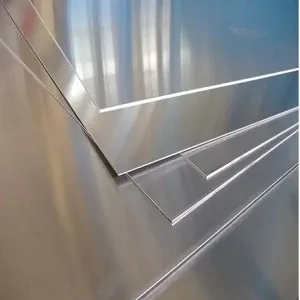
Aluminum 1100 can be shaped into many different products and most frequently appears in railroad tank cars, fin stock, dials, cooking utensils, name plans, chemical equipment, dials, and more. The plu…
Read MoreProduct specification guide
The related product list helps you compare China Is There Any Way To Solder Thin Aluminum Sheet Manufacturer, Factory & Suppliers by actual product direction rather than keyword wording alone. Check whether each product supports bulk purchasing evaluation, then use the table below to prepare a clearer RFQ.
| Criterion | What To Check | Why It Matters | Buyer Tip |
|---|---|---|---|
| Base material | Aluminum grade and temper | Affects solder/braze fit | List alloy on RFQ |
| Sheet size | Thickness, width, length | Controls handling and yield | Attach tolerance range |
| Joining method | Solder, braze, or weld need | Avoids wrong process quote | Share joint drawing |
| Surface condition | Clean, coated, anodized | Impacts flux and bonding | Request sample review |
| Export packing | Flatness and edge protection | Reduces transit damage | Specify pallet packing |
Yes, thin aluminum sheet can be joined in some projects, but the suitable method depends on alloy, thickness, surface treatment, flux or filler requirements, and end-use conditions. For purchasing, the key is to confirm whether soldering, brazing, welding, adhesive bonding, or mechanical fastening is the better fit.
When sourcing from a China supplier, ask for material details, available dimensions, tolerance information, surface requirements, sample policy, packaging method, and quotation terms. This helps you compare supplier options on specification match instead of price alone.
Start with the working specification. Confirm aluminum grade, sheet thickness, width, length, temper, surface finish, and whether the sheet will be soldered, formed, cut, or assembled after delivery. If your team is unsure about joining performance, share drawings, application photos, and expected operating conditions.
For quotation requests, include order quantity, sample quantity, destination port or address, packaging requirements, delivery schedule, and any document needs for export orders. Clear RFQ details reduce back-and-forth and make it easier to compare manufacturer, factory, and supplier responses.
Review the supplier’s answers against your checklist. Look for confirmation of material, size, configuration, tolerances, surface protection, pallet or carton packing, and inspection steps. If the order will be repeated, ask how batch consistency and packaging consistency are handled.
Before bulk approval, organize sample questions carefully. Check whether the sample matches thickness, flatness, surface condition, and processing expectations. Use sample feedback to update the final specification so the production order is aligned with purchasing, quality, and operations requirements.
| Criteria | Importance | Description | Example Options |
|---|---|---|---|
| Alloy match | High | Confirms material suitability | Specify 1xxx, 3xxx, or required grade |
| Thickness tolerance | High | Controls soldering and forming consistency | List nominal thickness and tolerance |
| Surface condition | High | Affects oxide removal and joining | Mill finish or protected surface |
| Configuration | Medium | Matches handling and processing | Sheet, strip, coil, or cut pieces |
| Packaging review | Medium | Protects thin material during transit | Interleaving, pallet, moisture barrier |
Recommended Products
Top product matches should be reviewed by fit, specification clarity, customization readiness, and how well they support specification checklist. Use these factors to shortlist practical options before contacting the supplier.







Aluminum sheet flatness should be specified before purchase, especially when the material will be laser cut, punched, bent, machined, laminated, or used as a visible panel. This matters to sheet-metal…
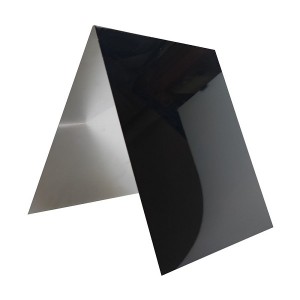
When anodized sheet is better than mill finish aluminum

Is Your Aluminum Bar Causing CNC Turning Runout? Aluminum bar may contribute to CNC turning runout when it is bent, out of round, inconsistent in diameter, damaged near the clamping area, or deformed …

How to compare 5052, 5083, 6061 and 7075 aluminum
Use buyer-style feedback to support supplier comparison, RFQ preparation, export order review, and sample question planning.
I used this tag page to clarify whether soldering thin aluminum sheet was practical before sending our drawing notes to a potential supplier.
I needed buyer-friendly wording around soldering thin aluminum sheet, and this page helped me separate material questions from joining process assumptions.
Before contacting suppliers, I reviewed this page to decide what to ask about flux, sheet thickness, and soldering limitations for aluminum.
I found it useful for aligning our purchasing discussion with engineering concerns about soldering very thin aluminum sheet without overcomplicating the inquiry.
Specify sheet thickness, dimensions, alloy or temper if known, surface protection needs, interleaving requirements, pallet preference, moisture protection, label content, and handling limits so packaging can match thin aluminum sheet export and warehouse procedures.
Include alloy grade, thickness tolerance, width and length, surface condition, quantity range, packaging method, intended soldering process, sample request, inspection expectations, and any drawing or specification sheet used by your purchasing team.
Compare thin sheet against aluminum coil, plate, strip, or foil by thickness range, flatness requirement, cutting needs, surface finish, handling method, and downstream joining process, especially where soldering evaluation affects material selection.
Ask whether the sample matches the requested alloy, thickness, temper, surface finish, and size. Confirm sample labeling, packing method, test-piece quantity, and whether the sample is suitable for your internal soldering and handling review.
Key details include alloy composition, oxide layer condition, surface cleanliness, thickness, flatness, temper, flux compatibility, solder type, heat control, and joint design. Buyers should verify these with their engineering or process team.
Review dimensional checks, surface appearance, thickness consistency, edge condition, flatness, material identification, packaging condition, and document alignment with the RFQ. These checks help compare supplier options without relying on unsupported claims.
Send your material grade, sheet size, thickness, quantity, packaging request, destination, and sample needs so the supplier can review the specification more accurately.