

Low Strength 1100 H14 Aluminum Sheet 0.2mm-30mm Mill Finish Aluminum Sheet
Low Strength 1100 H14 Aluminum Sheet 0.2mm-30mm Mill Finish Aluminum Sheet
Read MoreLow Profile Aluminum Racing Jack Selection Guide | SUZHOU TOP METAL MATERIALS CO.,LIMITED
A low-profile aluminum racing jack needs to reach the vehicle’s lift point without scraping the bodywork. Start with the clearance at that point, then check that the jack has enough lifting capacity and height for the vehicle and the work planned.
Low Strength 1100 H14 Aluminum Sheet 0.2mm-30mm Mill Finish Aluminum Sheet
Read More
Low Strength 1100 H14 Aluminum Sheet 0.2mm-30mm Mill Finish Aluminum Sheet low strength H14 aluminium alloy plate supplier 0.2mm-30mm 1100 plate aluminum coil mill finish Alloy 1100 is a low strength …
Read More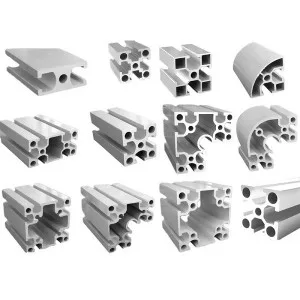
Custom Aluminium profile is widely used in construction, machinery, industry, etc. Aluminium profiles are a great way to add both style and function to your home.
Read More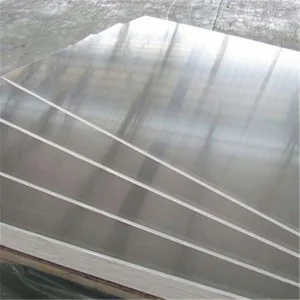
The pattern aluminum plate is also a kind of metal material, and it needs to be protected by scientific methods in daily operation. At the top of the list, regular cleaning, the stains on the exterior…
Read More
Deep Drawing Aluminum Sheet Circle 1050 1060 Aluminum Plate ASTM B209 Approved Deep drawing 1050 1060 ASTM B209 cookware use aluminium sheet circle Aluminum circle, as aluminum disc, is normally with …
Read More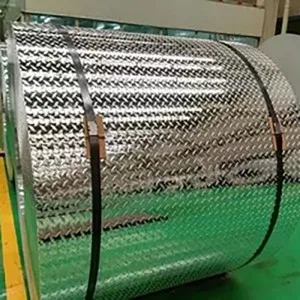
Designed for use in aerospace, fittings, valves, drive shafts, couplings, structural, signs, and marine applications The 6061 T6 aluminum tread plate has the highest corrosion resistance of all the al…
Read MoreJack selection criteria
Compare entry height, saddle reach, rated capacity and maximum lift height together. A good fit must both get under the vehicle and lift it far enough for the intended task.
| Criterion | What To Check | Why It Matters | Buyer Tip |
|---|---|---|---|
| Height under the lift point | Compare the jack’s minimum saddle height with the clearance beneath the vehicle’s approved lift point. | A low-profile body is not useful if the saddle cannot reach the lift point. | Will it fit under the vehicle at its normal ride height? |
| Reach and maximum lift height | Check how far the saddle reaches under the vehicle and whether the maximum height allows jack stands to be positioned. | A jack can fit underneath yet still fall short of the lift point or required stand height. | Ask for a dimensioned drawing showing the saddle’s reach and lift range. |
| Rated lifting capacity | Verify the capacity on the jack’s label and instructions against the load at the intended lift point. | Vehicle weight alone does not tell you how much load the jack takes at a particular point. | What rated capacity and lifting instructions are supplied with the model? |
| Saddle contact | Compare the saddle shape with the vehicle’s approved lift point and any required adapter. | Poor contact can damage the lift point or make the vehicle unstable. | Is a compatible pad or adapter needed for this vehicle? |
| Movement around the vehicle | Check jack weight, handle clearance and caster suitability for the floor where it will be used. | An aluminum jack may be easier to carry, but small casters can be awkward on uneven surfaces. | Can the jack be positioned and operated on the intended floor without obstructing the handle? |
Aluminum construction can make a jack easier to move around a workshop or paddock, but it does not establish its lifting capacity or stability. Compare the complete jack’s rated capacity, saddle design and reach rather than choosing by frame material alone.
Measure the clearance at the intended lift point, not just the height of the front bumper. A low entry height is useful only if the jack’s saddle and lifting arm can reach that point.
Check maximum lift height against the access your work requires. A jack that fits beneath the vehicle may still stop too low for the job. Confirm that the saddle suits the vehicle’s designated lift point.
Consider where the jack will be used and stored. Weight and handle design matter if it moves between vehicles; wheels and overall dimensions matter in a crowded workshop. Do not treat a racing jack as a substitute for appropriately rated support equipment.
For an inquiry, provide the vehicle type, clearance at the lift point and required lift height. Ask SUZHOU TOP METAL MATERIALS CO.,LIMITED whether a suitable jack is available and request its rated capacity and dimensions.
| Criteria | Importance | Description | Example Options |
|---|---|---|---|
| Access to the lift point | Essential for low-clearance vehicles. | Compare the jack’s entry height and saddle reach with the unobstructed route to the vehicle’s designated lift point. | A jack may clear the front bumper but fail to reach a lift point farther under the car. |
| Usable lift range | Determines whether the jack can complete the intended lift. | Consider minimum and maximum saddle height together, not the low-profile label alone. | Two jacks may fit beneath the same vehicle, while only one reaches the height needed for the planned task. |
| Rated capacity | Must suit the intended vehicle and lifting application. | Check the complete jack’s manufacturer-stated rating rather than inferring capacity from its material or size. | A compact aluminum jack is not automatically suitable for every vehicle in a mixed fleet. |
| Portability and workspace fit | Matters most when the jack is moved or stored frequently. | Compare complete-jack weight, overall dimensions and handle arrangement against the available space. | A lighter jack may be easier to transport, while a larger workshop jack may suit a fixed work area. |
Related Options
For a low-clearance track car, reach to the designated lift point may matter more than a small difference in jack weight. Check that fit before prioritizing portability.







Perforated aluminum sheet can provide a ventilation path, but open-area percentage is not an airflow or pressure-drop rating. Begin with the hole pattern, calculate the openings available after solid …
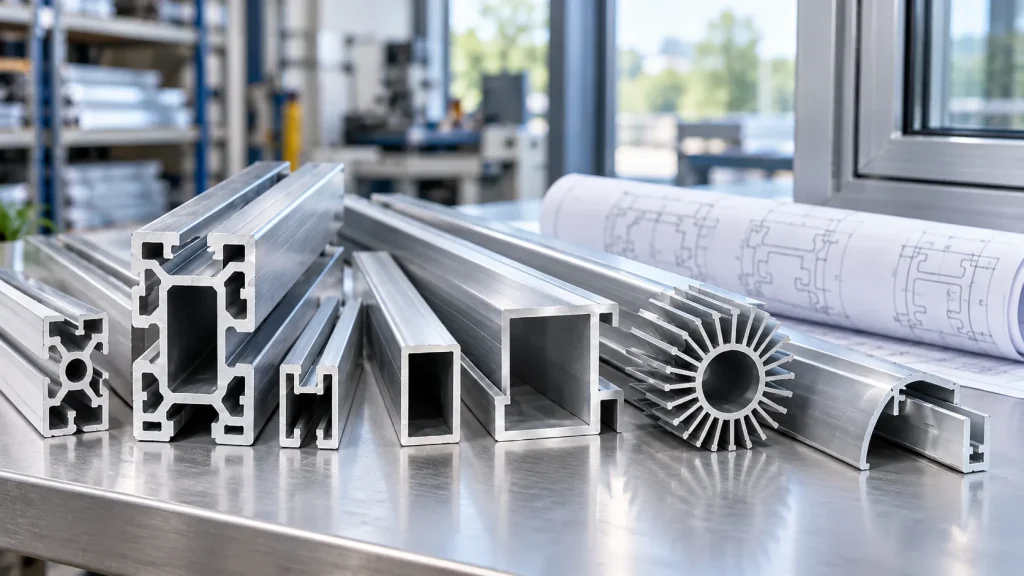
An aluminum profile is an aluminum or aluminum-alloy product with a defined cross-sectional shape that continues along its length. In construction and industrial supply, the term commonly refers to an…

Stucco embossed aluminum sheet changes the surface appearance of insulation jacketing. Its irregular texture makes minor handling marks less conspicuous and reduces glare compared with a smooth finish…
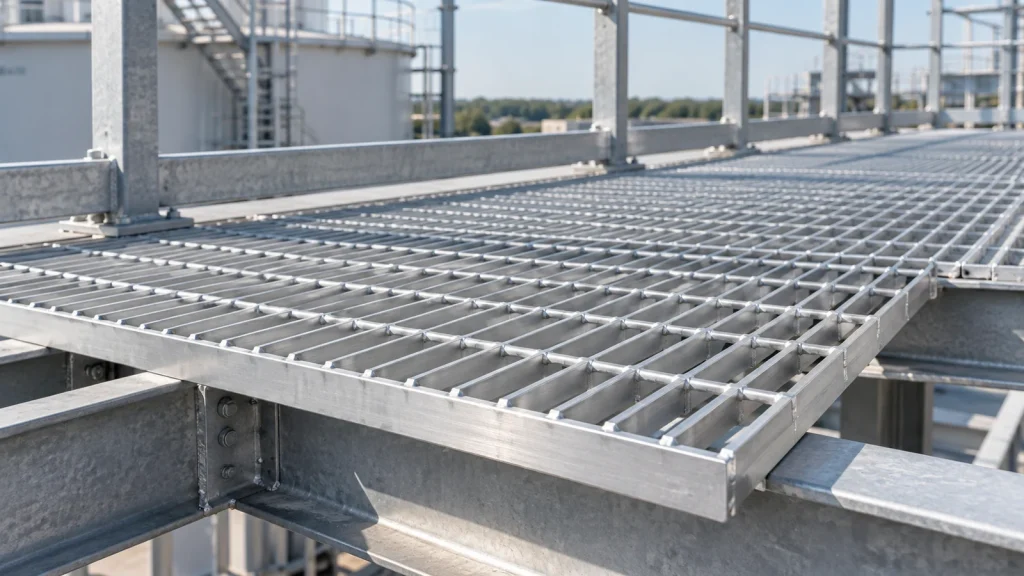
An aluminum bar grating load table is useful only when its product configuration, span, loading pattern and design assumptions match the panel being considered. Check the required load and the corresp…

When sourcing from an aluminum coil manufacturer in China, B2B buyers need more than a product name or a basic quotation request. A reliable procurement specification should connect the aluminum coil …

When buyers search for a reflective aluminum sheet manufacturer, the key challenge is usually not finding a supplier website. The more important question is whether the supplier can provide a product …
It can be, if its rated capacity, lift range and operating-surface requirements suit the vehicles and workspace. Check the manufacturer’s instructions rather than assuming a portable jack is appropriate for every workshop floor.
A steel jack may be worth considering if it will stay in one workshop and portability matters less. Compare complete-jack weight, dimensions and rated capacity; frame material alone does not establish how well either jack fits the job.
No. The stated minimum height may not describe the clearance needed for the saddle and lifting arm to reach the designated lift point. Check the vehicle’s clearance along that path, especially where bodywork or trim may obstruct it.
Ask whether SUZHOU TOP METAL MATERIALS CO.,LIMITED can supply a suitable jack, then request the manufacturer’s dimensions, rated capacity, lift range and operating instructions for the proposed model. Those details let you check fit against your vehicle and intended workspace.
Tell us the vehicle type, clearance at its lift point and lift height you need. Ask about suitable jack availability and rated capacity.