
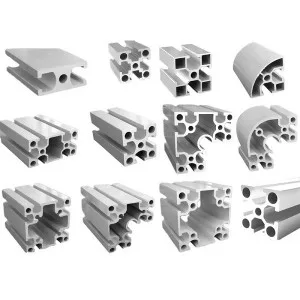
Custom aluminum profile manufacturer
Custom Aluminium profile is widely used in construction, machinery, industry, etc. Aluminium profiles are a great way to add both style and function to your home.
Read MorePVC Wood-Grain Aluminum Profile Laminating Machines | SUZHOU TOP METAL MATERIALS CO.,LIMITED
A PVC wood-grain aluminum profile laminating machine applies decorative film to aluminum sections used in products such as doors, windows and interior trim. The key decision is whether the machine can wrap your profile shapes consistently while bonding the film to the specified surface.
Custom Aluminium profile is widely used in construction, machinery, industry, etc. Aluminium profiles are a great way to add both style and function to your home.
Read More
Wood grain coated aluminum refers to aluminum sheets or panels that have been coated with a wood grain pattern to mimic the appearance of real wood. This coating is typically…
Read More
A stucco embossed finish is designed to have superior durability, reduce glare and reflectivity, and also to give aluminum a decorative finish. The stucco aluminum sheet is also a finish that can stan…
Read More
3003 Aluminum Sheet Features ♦ Alloy: 3003 ♦ Temper: H14, H16, H18, H22, H24, H26, O ♦ Thickness(mm):0.25-10 ♦ Width(mm):800-2200 ♦ This series aluminum sheet is anticorrosive and its production techn…
Read More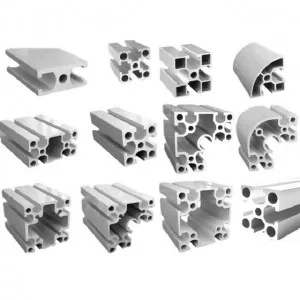
Aluminum profiles are products born from aluminum alloys bar that are transformed into shaped objects through the extrusion process. Extrusion alumium profiles are used in…
Read More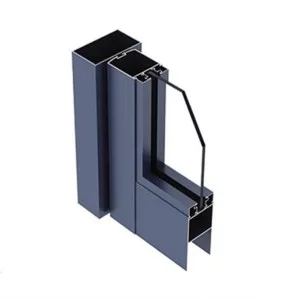
Aluminium extrusion profile for doors and windows is a kind of door and window frame decoration building material made of aluminum alloy as raw material. Its advantages are…
Read MoreEquipment selection
Compare equipment against the profiles you actually run: covered faces, corner geometry, film and adhesive compatibility, changeover needs and the finish you will accept at seams and edges.
| Criterion | What To Check | Why It Matters | Buyer Tip |
|---|---|---|---|
| Profile shape and size | Compare profile drawings and physical samples with the machine’s stated wrapping range. | Deep grooves and tight corners make it harder to apply film without gaps or wrinkles. | Ask which of your profiles can be wrapped in one pass. |
| Film and adhesive compatibility | Confirm the machine supports the chosen PVC or wood-grain film and its specified adhesive. | A finish that looks smooth initially may lift at edges if the materials and process do not match. | Send the film and adhesive details for a trial on your profile. |
| Aluminum surface condition | Identify the profile’s finish and any cleaning or pretreatment required before lamination. | Oil, dust or an incompatible coating can weaken adhesion. | Ask what surface condition the trial sample must meet. |
| Wrap quality on a sample | Inspect corners, grooves, ends and long straight runs on a laminated sample. | These areas reveal wrinkles, trapped air, visible seams and edge lifting. | Agree on acceptable seam placement and appearance before ordering. |
Film lamination is not the same as a wood-grain finish printed onto a coated profile. Film can provide a defined texture and pattern, but edges, grooves and corners need careful wrapping; seams and adhesion are especially important on visible or handled surfaces. For outdoor profiles, confirm that the proposed film and adhesive are suitable for the intended exposure rather than assuming every wood-grain film is interchangeable.
Start with the profile cross-sections, not just their overall width. Deep channels, narrow returns and sharp corners affect roller access and where film edges can finish. Mark which faces must be covered and which edges may remain visible.
Specify the aluminum surface condition and the proposed PVC film. Adhesive choice and surface preparation need to work together; a good-looking wrap can still lift if the bonding process does not suit the substrate. Ask for a trial on your actual profile and inspect corners, ends and adhesion after handling.
Consider how the line will run across your product range. Frequent changes in profile shape or film pattern make adjustment and changeover important, while long runs put more weight on consistent feeding and wrap alignment. Confirm how the machine handles your required profile lengths and how operators inspect the finished surface.
Send representative profile drawings or samples, the film specification, intended use and expected production mix. Ask SUZHOU TOP METAL MATERIALS CO.,LIMITED whether it supplies laminating equipment, finished laminated profiles, or both, and what can be demonstrated with those samples.
| Criteria | Importance | Description | Example Options |
|---|---|---|---|
| Profile geometry and access | Decisive for complex sections | Corners, returns and channels affect whether the film can be guided and pressed onto every required face. | Compare a plain rectangular section with a door-frame section that has a narrow visible return. |
| Required coverage and edge position | Especially important on visible surfaces | Define where the film starts and ends, and assess how any exposed edge or seam looks on the installed profile. | A concealed back face may allow a different film-edge position from a face that remains in view. |
| Film, adhesive and substrate compatibility | Essential to a durable bond | The decorative film and bonding process must suit the aluminum surface condition and the intended use. | Evaluate the proposed combination on a sample with the same surface finish as the production profile. |
| Changeover between profiles | More significant for varied, short runs | Different sections or film patterns may require changes to guides, pressure points or film alignment. | A line running several trim shapes each week has different adjustment needs from one running a single door-frame section. |
| Lamination versus printed finish | Depends on appearance and edge requirements | A laminated film can provide a distinct surface texture, while a printed finish avoids a separate film edge; compare finished samples for the application. | For a frequently handled trim piece, inspect both the face appearance and the treatment of corners. |
Related Options
For a door-frame profile with visible returns, a clean wrap around those returns matters more than a demonstration on a flat strip. Request a sample using the intended film and the most demanding cross-section in your range.

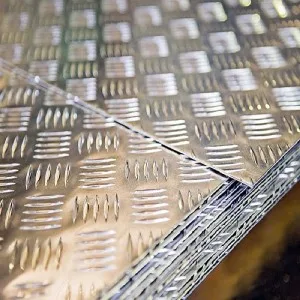




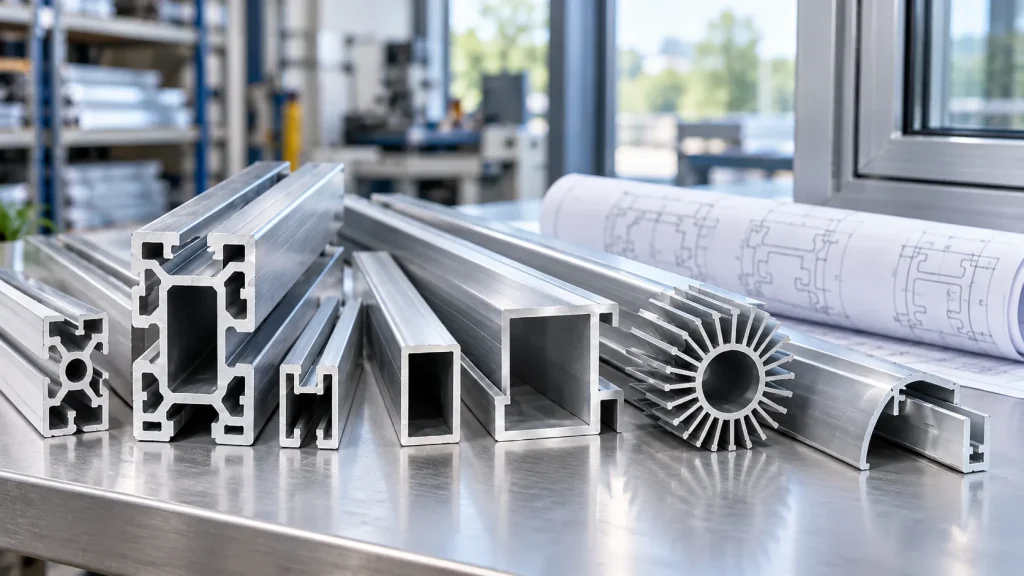
An aluminum profile is an aluminum or aluminum-alloy product with a defined cross-sectional shape that continues along its length. In construction and industrial supply, the term commonly refers to an…

When sourcing from an aluminum coil manufacturer in China, B2B buyers need more than a product name or a basic quotation request. A reliable procurement specification should connect the aluminum coil …

When buyers search for a reflective aluminum sheet manufacturer, the key challenge is usually not finding a supplier website. The more important question is whether the supplier can provide a product …

3003 alloy aluminum coil is an Al-Mn, non-heat-treatable material used where formability and corrosion resistance matter. But a B2B buyer cannot build a reliable quotation around the words “3003…

A request for 6061 0 aluminum sheet is a temper-specific purchasing question, not simply a request for generic 6061 sheet. That distinction matters when a buyer compares supplier quotations. TOP METAL…

5052 aluminum sheet and plate are flat-rolled aluminum-magnesium products considered for parts that need formability, corrosion resistance and moderate strength. Choosing the material means specifying…
Not necessarily. A flat face and a deep groove place different demands on film guidance and pressure contact. Ask for a trial on the most difficult cross-section you expect to run, not only the simplest one.
It may be, but suitability depends on the film, adhesive and expected exposure. Confirm the proposed materials are intended for exterior use and evaluate a finished sample at corners and film edges.
No. Coverage depends on the profile geometry and the planned film path; some faces or edge transitions may remain uncovered. Identify the visible faces on a drawing before judging a sample.
Lamination bonds a separate decorative film to the profile, while a printed finish forms the pattern on a coated surface. Film offers its own texture and pattern options, but it also introduces film edges and a bond that need evaluation.
Establish the range of profile shapes and lengths, the surfaces to cover, the intended film and the production mix. Then ask whether a trial with your profile and film is possible and what adjustments are needed between representative shapes.
Share a profile drawing or sample, the PVC film you plan to use and whether the finished profile is for indoor or outdoor use. Please also say whether you need a machine or finished laminated profiles.