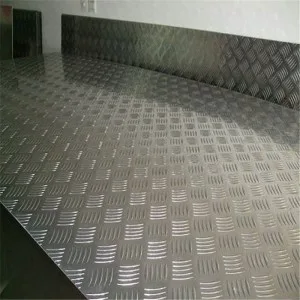
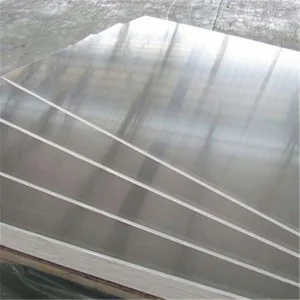
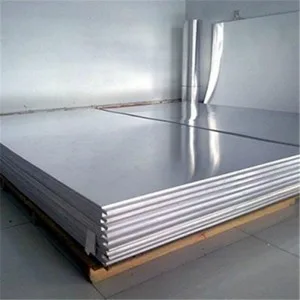
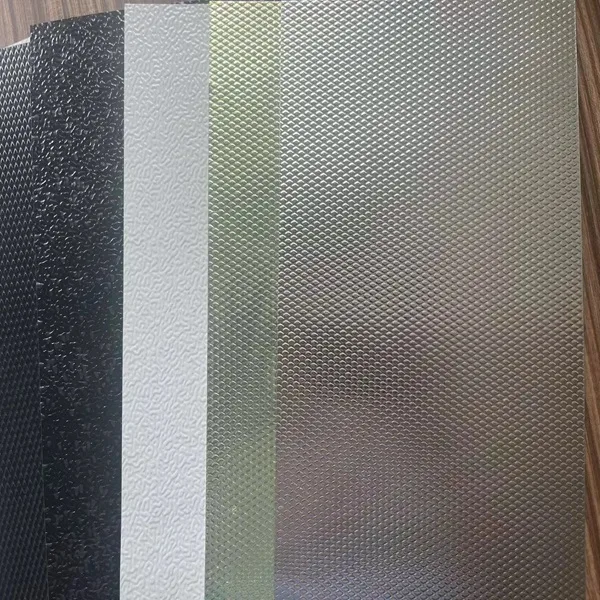
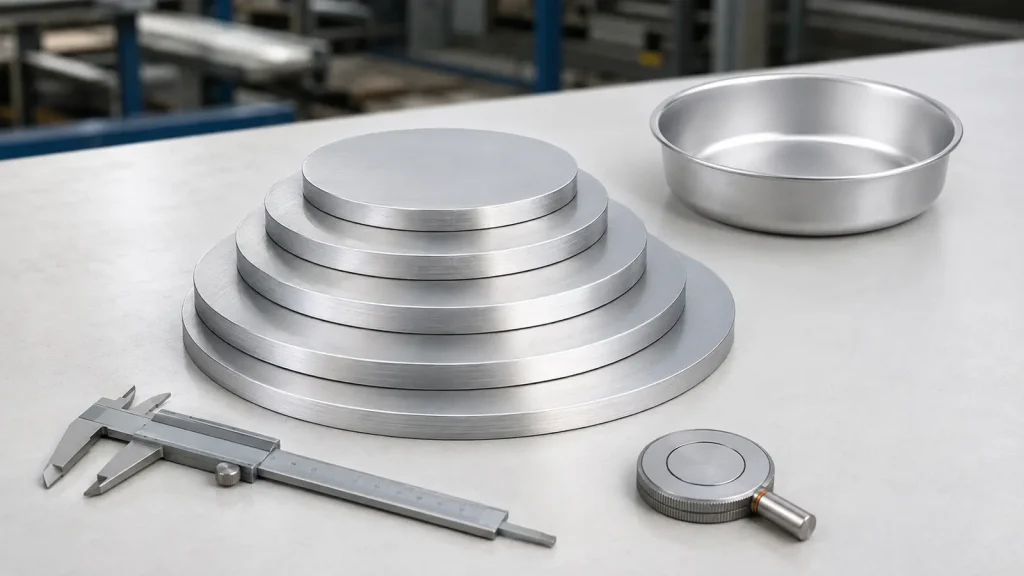
The key distinction is not simply steel versus aluminum. A bare aluminum sheet, a coated steel sheet and an aluminized steel sheet have different food-contact surfaces, even though all may be sold as baking sheets. Aluminum responds quickly when oven temperature changes; steel generally retains heat longer. Dark coatings can also brown the underside of food faster, so a material substitution may require a baking trial rather than a like-for-like approval.
Start with the food and process. Cookies and delicate pastries often benefit from an even-heating surface that is easy to monitor. For repeated commercial handling, compare the sheet’s stiffness, rim design and resistance to distortion as well as its metal.
Specify the surface separately from the base metal. Ask how a bare or coated sheet should be cleaned, whether the intended food may contact it directly, and what oven conditions the finish is designed for. Do not treat a coating name as proof that it fits every recipe or cleaning method.
If you are buying blanks for pan production, forming behavior matters alongside baking performance. Confirm the intended alloy or steel grade, temper where relevant, thickness, surface finish and forming method before approving material. A flat sample alone may not show how the finished rim or corners will behave.
For a China sourcing inquiry, clarify who supplies the sheet material and who forms the finished pan. Ask a prospective manufacturer which operations its factory performs and what it verifies on the finished part. Compare suppliers against the same drawing and use conditions, then trial a sample with the food you actually bake.