

Metal Grating bar aluminum Grating for walkway
Manufactured from lightweight, corrosion resistant ASTM B221, 6063 or 6061, Aluminum grating bar is ideal for both industrial and architectural applications.
Read MoreSourcing Aluminum Sheets for Ceilings in China: Manufacturer, Factory and Supplier Guide | SUZHOU TOP METAL MATERIALS CO.,LIMITED
Use this page to evaluate China Aluminum Sheets For Ceilings Manufacturer, Factory & Suppliers from the perspective of custom specification confirmation. It brings together related products, practical selection checks, and buyer questions so your inquiry can be more specific from the beginning.
For a project engineer, the most useful starting point is brand customization and project consistency. Review the product matches, comparison notes, FAQs, and recent buyer-style feedback before sending final requirements.
Manufactured from lightweight, corrosion resistant ASTM B221, 6063 or 6061, Aluminum grating bar is ideal for both industrial and architectural applications.
Read More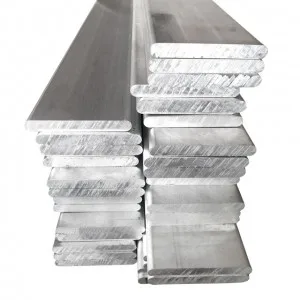
China Flat bus bar 1050 1350 1060 1070 1370 Aluminum Busbar for Transformers In Electric power distribution, a busbar also called bus bar, buss bar or busbar, which is a metallic strip or bar, typical…
Read More
Plain 3003 Aluminium Alloy Plate Aluminum Roofing Coil For Trailer 3000 series aluminum Plate are widely used in construction,decoration,pipe, packing,automobile,air conditioner ,pot,containers,refrig…
Read More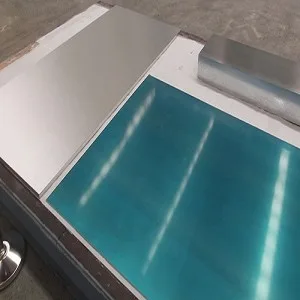
High strength 5005 Aluminium Plate Alloy 2mm 3mm 4mm for Architectural applications 5005 aluminium alloy plate is an aluminium alloy with good resistance to atmospheric corrosion. It is used in decora…
Read More
3003 Aluminum Sheet Features ♦ Alloy: 3003 ♦ Temper: H14, H16, H18, H22, H24, H26, O ♦ Thickness(mm):0.25-10 ♦ Width(mm):800-2200 ♦ This series aluminum sheet is anticorrosive and its production techn…
Read More
Mill Finish Aluminum Sheet Circle 1060 1070 1100 3003 Aluminum Plate For Cookware Aluminum circle 1050 1060 1070 3003 etc is mainly used in making cookware, like non-stick pan, pressure cooker, hardwa…
Read MoreAluminum Sheets For Ceilings Product Guide
The related product list helps you compare China Aluminum Sheets For Ceilings Manufacturer, Factory & Suppliers by actual product direction rather than keyword wording alone. Check whether each product supports custom specification confirmation, then use the table below to prepare a clearer RFQ.
| Criterion | What To Check | Why It Matters | Buyer Tip |
|---|---|---|---|
| Sample confirmation | Approve sample against the project brief | Reduces mismatch risk before production | Record dimensions, finish, color, and edge details |
| Technical details | Confirm alloy, temper, thickness, and tolerance | Supports accurate specification comparison | Request a signed technical data sheet |
| Quality checks | Review inspection points and test records | Improves batch consistency control | Define acceptance criteria before ordering |
| Application fit | Match sheet format to ceiling design | Helps avoid installation and coordination issues | Share drawings, load needs, and site conditions |
| Custom support | Clarify branding, packaging, and after-sales process | Supports consistent project delivery | Confirm artwork approval and response contacts |
A China Aluminum Sheets For Ceilings Manufacturer, Factory & Suppliers should be evaluated by material specification, surface finish, sheet size, ceiling application fit, customization process, and communication on technical details.
To get a useful response, share drawings, sample references, quantity range, finish requirements, packaging needs, and approval steps. This helps the supplier confirm whether the aluminum sheets for ceilings match your project instead of offering only a general catalog.
Start with a specification checklist. Confirm alloy or material grade requirements, thickness, width and length, surface treatment, color, perforation or pattern needs, and whether the sheets will be used for exposed decorative ceilings or supporting ceiling components.
For custom projects, send drawings, photos, brand color references, sample targets, and installation context. If the ceiling must match other building materials, mention the design standard and any tolerance concerns so the supplier can review feasibility before pricing.
Ask how samples are confirmed before mass order. A practical inquiry can include sample size, finish comparison, labeling, inspection points, packing method, and whether project documentation can be matched to your internal approval process.
When comparing suppliers, look beyond unit price. Clear answers about technical details, quality checks, after-sales communication, and repeat-order consistency can reduce sourcing risk, especially when the same ceiling appearance must be maintained across different project phases.
| Criteria | Importance | Description | Example Options |
|---|---|---|---|
| Sample alignment | High | Match samples with approved drawings. | Finish, color, thickness |
| Technical specification | High | Define measurable sheet requirements. | Alloy, temper, flatness |
| Quality inspection | High | Use documented acceptance criteria. | Dimensions, coating, edges |
| Customization control | High | Confirm options before production. | Perforation, film, packaging marks |
| Application fit | High | Match sheets to ceiling conditions. | Moisture, cleaning, installation |
Recommended Products
Top product matches should be reviewed by fit, specification clarity, customization readiness, and how well they support buyer risk reduction. Use these factors to shortlist practical options before contacting the supplier.







Direct Answer: Buyers should ask an anodised aluminum sheet supplier China sourcing teams are reviewing to define the base alloy, temper, thickness, sheet size, anodizing sequence, finish, color-contr…
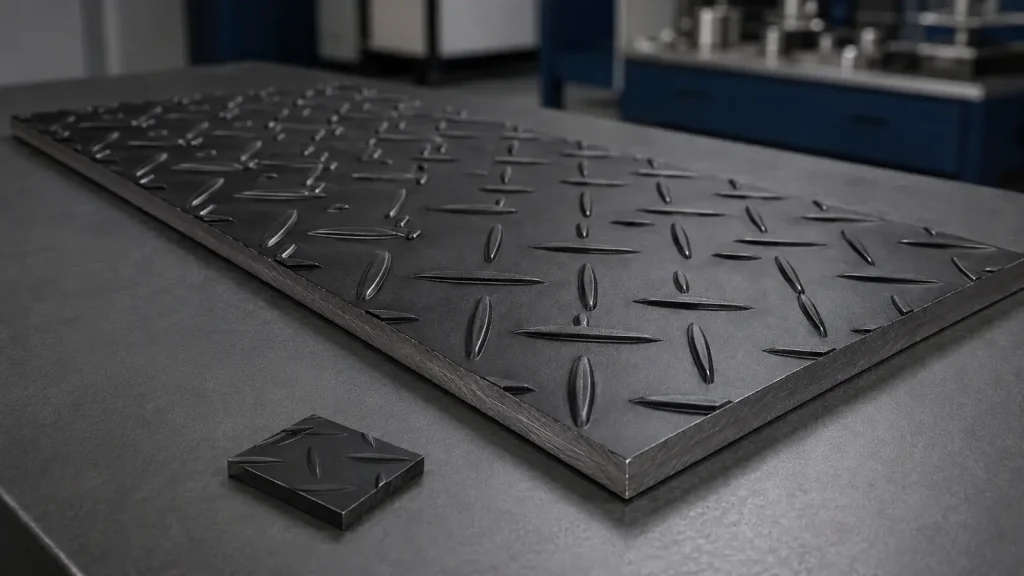
Buyers should evaluate black anodized aluminum tread plate as a complete material-and-finish specification, not as a black decorative surface alone. A workable purchase specification identifies the al…

Before production, buyers should freeze the 5083 aluminum coil’s governing material standard, temper, thickness and tolerance, width and edge condition, coil inside diameter, maximum outside dia…
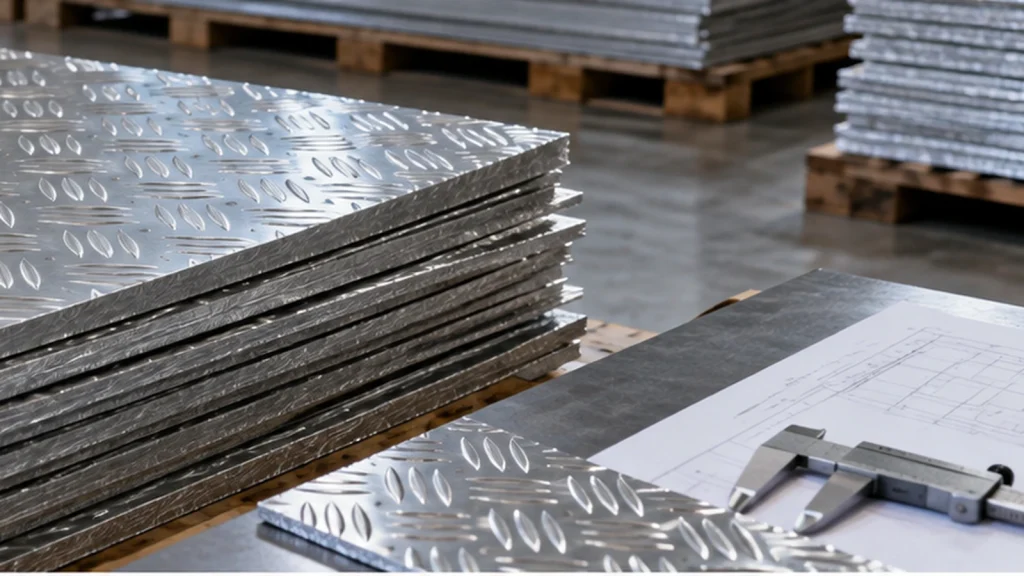
A 4×8 sheet of 1/4 inch aluminum price quotation becomes useful only after the buyer confirms that every supplier is pricing the same product and delivery scope. For this procurement path, the ta…
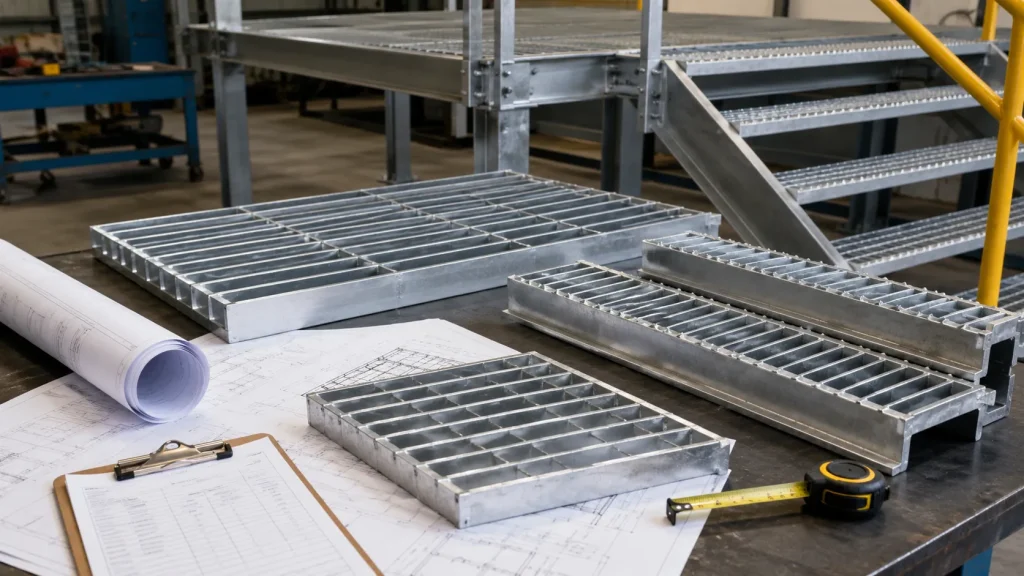
Direct Answer: Buyers should specify aluminum bar grating from the load path outward: first define the walkway or stair application, clear span, support layout, load and deflection basis; then confirm…

Buyers should send the required alloy, temper, thickness, sheet size, hole shape, hole size, pitch, pattern orientation, open area, blank margins, tolerances, finish, flatness, burr direction, drawing…
Recent buyer-style feedback focuses on organizing sample questions, confirming application details, shortlisting related products, and planning custom ceiling projects.
I used the page to frame ceiling panel questions around finish, thickness, and installation context before contacting a China supplier for aluminum sheets for ceilings.
The tag page helped me separate decorative ceiling needs from basic sheet requirements when comparing manufacturer and factory options for aluminum sheets for ceilings.
I found it helpful for drafting questions about surface appearance and ceiling application details without making my aluminum sheets for ceilings inquiry too broad.
This gave me a practical checklist for matching aluminum sheet choices to suspended ceiling design goals before building a China suppliers shortlist.
For a custom ceiling project, request finish, alloy, temper, thickness, dimensions, flatness, perforation, coating, and edge details in the sample brief. Compare the approved sample with production drawings before finalizing the China supplier.
Confirm alloy and temper, nominal thickness, sheet size, tolerance, flatness, surface finish, color reference, perforation pattern, open area, edge treatment, installation interface, and applicable drawing revisions before requesting a quotation.
Use an agreed inspection checklist covering dimensions, thickness, flatness, coating appearance, color variation, perforation accuracy, edge condition, protective packaging, and traceability to the approved sample and drawings. Define acceptance criteria before production.
Document the contact process for installation questions, drawing clarifications, sample-to-production discrepancies, transit damage reporting, replacement discussions, and corrective actions. Keep purchase specifications, inspection records, photographs, and communication linked to the project reference.
Assess the ceiling system’s environment, required appearance, panel geometry, load and handling considerations, cleaning exposure, moisture conditions, acoustic design, and installation method. Then match those needs with documented sheet specifications and project drawings.
Compare customization for alloy, temper, thickness, width, length, perforation, embossed or smooth surface, coating color, protective film, corner or edge details, packaging marks, and drawing-based tolerances. Confirm which options require separate approval.
Send your ceiling application, drawings or sample references, required finish, size range, quantity estimate, and project timeline. A detailed inquiry helps confirm whether the product can match your specification and branding needs.