

Stucco Embossed Aluminum Sheet
A stucco embossed finish is designed to have superior durability, reduce glare and reflectivity, and also to give aluminum a decorative finish. The stucco aluminum sheet is also a finish that can stan…
Read MoreThin Aluminum Sheets Selection Guide | SUZHOU TOP METAL MATERIALS CO.,LIMITED
Thin aluminum sheets can make lightweight covers, enclosures and formed panels, but the right sheet depends on what happens after cutting. A panel that must stay flat needs different priorities from a blank that will be bent into shape.
A stucco embossed finish is designed to have superior durability, reduce glare and reflectivity, and also to give aluminum a decorative finish. The stucco aluminum sheet is also a finish that can stan…
Read More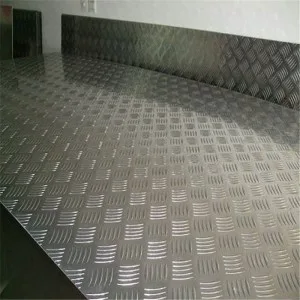
Series 1000 aluminum alloy is also known as “industrial pure aluminum”, which has the most wide uses in many territories, such as industry, architecture, decorative building, marine, aircraft, etc. Th…
Read More
RuiYi Aluminum As one of the best decorative aluminium embossed plate manufacturers and suppliers can supply all types of checker plate, such as plate floor diamond, embossed tread plate, non-slip sta…
Read More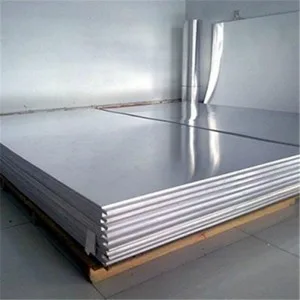
Aluminum plate price usually depends on the international aluminium alloy price and the production cost. The customers can search aluminium alloy price on the Internet and now the most authoritative p…
Read More
Plain 3003 Aluminium Alloy Plate Aluminum Roofing Coil For Trailer 3000 series aluminum Plate are widely used in construction,decoration,pipe, packing,automobile,air conditioner ,pot,containers,refrig…
Read More
Wood grain coated aluminum refers to aluminum sheets or panels that have been coated with a wood grain pattern to mimic the appearance of real wood. This coating is typically…
Read MoreSheet selection
Compare thin aluminum sheet options by alloy, temper, thickness, flatness and surface condition. The most useful choice is the one that fits the next manufacturing step as well as the finished part.
| Criterion | What To Check | Why It Matters | Buyer Tip |
|---|---|---|---|
| Thickness and tolerance | Specify the nominal thickness and acceptable variation across the sheet. | Thickness affects weight, stiffness, forming and fit in close-clearance parts. | What thickness tolerance can you confirm for the size I need? |
| Alloy and temper | Match the alloy and temper to the required bending, strength and corrosion performance. | Sheets of the same thickness can behave differently during forming and in service. | Can you confirm the alloy and temper before I approve the material? |
| Flatness | State whether the sheet must sit flat for cutting, bonding or assembly. | Waviness can cause feeding problems and visible gaps in finished panels. | What flatness condition can you confirm for the proposed sheet size? |
| Surface condition | Describe which face will be visible and whether scratches, marks or a particular finish matter. | A surface suitable for a hidden part may not suit an exposed panel. | Can you confirm the supplied finish and how the visible face will be protected? |
| Sheet size and cut edges | Provide finished dimensions and say if the edges will be handled, joined or left exposed. | Size accuracy and edge condition affect assembly and handling. | Can you supply the required cut size, and what edge condition should I expect? |
Start by deciding whether you need individual sheets or material supplied in coil form. Cut sheets suit flat blanks and smaller production runs; coil may suit a process that continuously feeds and cuts material. Thin material is easier to handle poorly, so packaging and protection matter if the surface will remain visible.
Choose alloy and temper around the forming operation, not just the finished part’s appearance. A softer temper can make bending easier, while a harder temper may better resist handling damage. If a bend is tight, share the bend direction and required radius rather than assuming any thin sheet will form cleanly.
Specify the nominal thickness alongside acceptable thickness variation and flatness. A sheet that meets the thickness request may still cause trouble if it must lie flush against a frame or feed through a cutting process. Do not treat “thin” as a sufficient dimension.
Match the surface requirement to the finished use. A visible panel may need an agreed finish and protective film; a concealed component may not. State which face will be seen and whether scratches, marks or film residue would affect acceptance.
For an inquiry, send the finished part drawing or sheet size, intended forming or cutting method, and required surface condition. Ask SUZHOU TOP METAL MATERIALS CO.,LIMITED to confirm suitable alloy and temper options, available dimensions, tolerances and packaging for that use.
| Criteria | Importance | Description | Example Options |
|---|---|---|---|
| Panel support and stiffness | Critical for covers or panels that must not visibly flex. | Compare thickness in the context of unsupported span, attachment points and expected loads. | A panel fastened around its perimeter may behave differently from one supported only at two ends. |
| Forming direction | Important when the blank will be bent. | Bend orientation relative to the sheet’s rolling direction can affect forming results; specify it when the part layout allows little flexibility. | A drawing identifies the bend lines and the required orientation of the visible face. |
| Cut edges | Important when blanks must fit closely or their edges remain exposed. | Agree on acceptable burrs, edge damage and dimensional variation for the chosen cutting process. | An enclosure blank with exposed edges needs a clearer edge requirement than a blank whose edges will be concealed. |
| Service environment and contact materials | Important for outdoor use or contact with other metals. | Describe moisture exposure, cleaning conditions and adjoining materials when discussing alloy and finish options. | A sheet mounted against a different metal outdoors calls for more attention to the assembly than an indoor dry-use cover. |
Related Options
For a visible enclosure panel, prioritize flatness and surface protection before choosing on thickness alone. For a bent internal bracket, forming behavior may matter more than cosmetic finish.





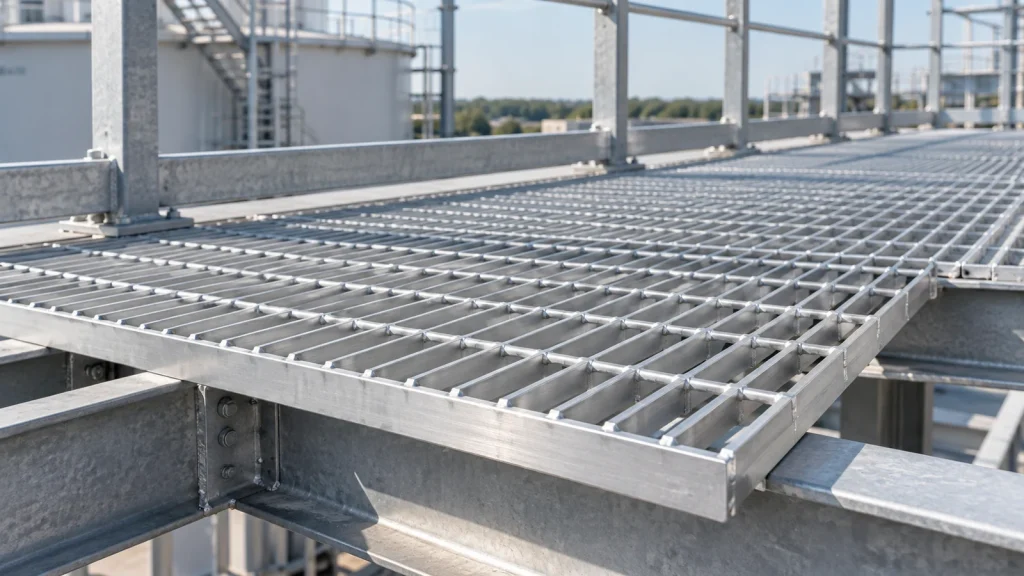
An aluminum bar grating load table is useful only when its product configuration, span, loading pattern and design assumptions match the panel being considered. Check the required load and the corresp…

Perforated aluminum sheet can provide a ventilation path, but open-area percentage is not an airflow or pressure-drop rating. Begin with the hole pattern, calculate the openings available after solid …

When sourcing from an aluminum coil manufacturer in China, B2B buyers need more than a product name or a basic quotation request. A reliable procurement specification should connect the aluminum coil …

When buyers search for a reflective aluminum sheet manufacturer, the key challenge is usually not finding a supplier website. The more important question is whether the supplier can provide a product …

3003 alloy aluminum coil is an Al-Mn, non-heat-treatable material used where formability and corrosion resistance matter. But a B2B buyer cannot build a reliable quotation around the words “3003…

A request for 6061 0 aluminum sheet is a temper-specific purchasing question, not simply a request for generic 6061 sheet. That distinction matters when a buyer compares supplier quotations. TOP METAL…
Do not choose it by thickness alone. The unsupported span, mounting method and expected load all affect how much it will deflect; a thin cover fixed around its edges is a different application from a shelf.
A thicker sheet may make it easier to limit flexing or handling dents, but it adds weight and may change how the part forms. Compare the finished part’s stiffness and weight requirements before selecting the thinnest available option.
No. “Thin” does not define a particular thickness or supply format. State the nominal thickness and whether you need cut sheets, blanks or a coil so the material can be matched to your process.
Only if the openings suit the application. Perforation can allow airflow or drainage, but hole size, pattern and open area also change the panel’s strength, appearance and usable area for fastening.
Provide the blank dimensions and drawing, then agree on dimensional tolerances and acceptable edge condition. Ask how the blanks will be separated and packed if scratches or bent corners would make them unusable.
Tell us the sheet size and thickness, how the part will be cut or formed, and the surface condition you need.