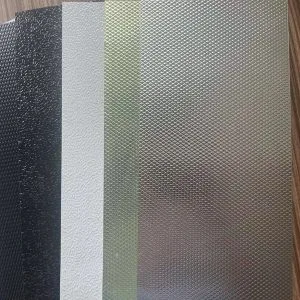
Use Aluminum Foil As Baking Sheet Selection Guide | SUZHOU TOP METAL MATERIALS CO.,LIMITED

Can You Use Aluminum Foil Instead of a Baking Sheet?

Aluminum foil can line a baking sheet to catch drips and simplify cleanup, but it cannot replace the sheet itself. A loose piece of foil has no rigid support for dough, vegetables or other food.

Related Products

Choosing foil for baking-sheet liners

Foil selection

Compare foil by intended food-contact use, format, width and handling strength. If release from baked food matters, ask specifically about the surface rather than assuming standard foil is nonstick.

Criterion What To Check Why It Matters Buyer Tip
Foil liner or baking tray Check whether the foil will line a rigid tray or must hold food on its own. Foil conforms to a tray but does not replace the support of a baking sheet. If the food needs a flat, stable base, put the foil on a baking tray.
Food contact and oven use Confirm that the specific foil is intended for direct food contact and oven temperatures. Packaging and coatings vary; not every aluminum sheet is kitchen foil. Ask for the intended-use information before buying foil for food preparation.
Contact with acidic or salty foods Identify foods such as tomatoes, citrus or heavily salted marinades that may sit against the foil. Prolonged contact can affect the foil and the food’s flavor. Use parchment or a suitable baking dish for these foods.
Sticking and browning Consider whether the food is delicate, sticky or meant to brown underneath. Food may stick to foil, and a foil-lined tray can bake differently from an unlined one. For cookies or delicate baked goods, compare parchment with foil before preparing a large batch.
Fit and handling Check that the foil fits the tray without loose edges near oven elements. Loose foil can shift, while foil placed directly on the oven floor can interfere with heating. Line the tray rather than the oven floor, and keep the foil within the tray’s edges.

Lining, wrapping and direct baking contact

Choose foil for easy cleanup or wrapping, not for a nonstick baking surface. Food can stick to ordinary foil, and a liner may change how the underside browns. Parchment is often a better choice for delicate baked goods; a bare baking sheet is useful when direct contact with the pan matters for browning.

Start with the task. A liner should cover the cooking area without loose edges that can lift or touch a heating element. For wrapping food or containing juices, choose foil that folds and holds its shape without tearing during normal handling.

Check the food and cooking method. Acidic or heavily salted foods can react with aluminum foil during prolonged contact, so use a suitable barrier or another container for those applications. Follow the oven maker’s instructions for convection and broiling; do not line the oven floor with foil.

If you are purchasing foil for repeated food-service or packaging use, specify the roll or sheet format, width, and whether the foil will touch food directly. Confirm the supplier’s stated food-contact suitability for your intended use rather than assuming that any aluminum sheet or industrial foil is appropriate.

Avoid ordering by thickness alone. Handling, tear resistance, dispensing format and the need for a nonstick surface can change which option works best. Ask for a sample to check how the foil fits your baking sheets and holds up in your normal workflow.

Criteria Importance Description Example Options
Food release Important for sticky or delicate baked goods Ordinary foil is not inherently nonstick; parchment or a suitable nonstick liner may release food more easily. Choose parchment rather than ordinary foil for cookies that tend to stick.
Contact with the pan Important when underside browning is part of the result A liner separates food from the baking sheet and may change browning compared with direct contact. Compare a lined tray with a bare tray when adjusting a roasted-vegetable recipe.
Airflow and drainage Critical when the tray relies on openings Foil over a perforated surface can block airflow or prevent liquid from draining. Leave a perforated tray uncovered when its holes serve the cooking method.
Fit and handling Important for repeated lining during a production shift Cut sheets can reduce preparation time, while rolls allow staff to size each liner; either should sit securely on the tray. Compare pre-cut foil with a roll using the trays and dispensing setup already in use.

Blog Articles / Reviews

6061 0 Aluminum Sheet: What Should Buyers Verify?

6061 0 Aluminum Sheet: What Should Buyers Verify?

A request for 6061 0 aluminum sheet is a temper-specific purchasing question, not simply a request for generic 6061 sheet. That distinction matters when a buyer compares supplier quotations. TOP METAL…

Frequently Asked Questions

Can foil line a perforated baking tray?

It can, but covering the holes blocks airflow and drainage. If those features matter to the recipe, leave the tray uncovered or choose a liner designed for that cooking method.

Does the shiny side need to face the food?

For ordinary foil, the shiny and dull sides generally do not make a meaningful difference in baking. If the foil has a nonstick coating, follow its instructions for which side faces the food.

Is foil a good alternative to parchment for cookies?

Parchment is usually the easier choice when release matters, especially for sticky or delicate cookies. Foil may be useful for cleanup, but ordinary foil can hold onto baked food and change underside browning.

Can I put food on foil without a baking tray underneath?

Foil needs a stable surface beneath it for most baking tasks. It can sag or tear under food, making it unsuitable as a substitute for a rigid tray.

What should a bakery confirm before ordering foil liners?

Confirm the intended food-contact use, sheet dimensions or roll width, dispensing format and which side contacts food if the foil has a special surface. Testing a sample on the bakery’s trays can reveal fit and handling issues before a larger order.

Leave Your Message

Tell SUZHOU TOP METAL MATERIALS CO.,LIMITED what food the foil will contact, your baking-sheet dimensions, and whether you need rolls or cut sheets.