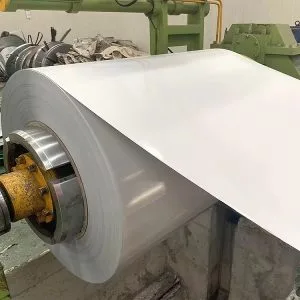
1100 1060 alloy qualicoat aluminum perforated sheet
The qualicoated aluminum perforated sheet is from a certified powder coating applied to the aluminum surface, meeting strict international standards, and it provides…
Read MoreWhat Range Of Sizes For Standard Aluminum I Beam Profiles Sourcing in China: Manufacturer, suppliers and factory | SUZHOU TOP METAL MATERIALS CO.,LIMITED
For a product development team, standard aluminum I beam profile sizing is usually reviewed before drawings, samples, or trial orders are confirmed. This page helps organize the early quality questions behind China What Range Of Sizes For Standard Aluminum I Beam Profiles Manufacturer, Factory & Suppliers.
Use it to compare related products, check technical details, and prepare an RFQ that makes size range, tolerance expectations, surface finish, inspection needs, and documentation requirements clear from the first supplier contact.
The qualicoated aluminum perforated sheet is from a certified powder coating applied to the aluminum surface, meeting strict international standards, and it provides…
Read More
1050 aluminum sheet is the most useful sort of series 1000 aluminum alloy. As a kind of pure aluminium sheet, 1050 aluminium sheet is excellent on corrosion resistance, thermal conductivity and electr…
Read More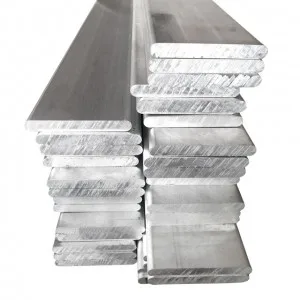
China Flat bus bar 1050 1350 1060 1070 1370 Aluminum Busbar for Transformers In Electric power distribution, a busbar also called bus bar, buss bar or busbar, which is a metallic strip or bar, typical…
Read More
Manufactured from lightweight, corrosion resistant ASTM B221, 6063 or 6061, Aluminum grating bar is ideal for both industrial and architectural applications.
Read More
Mill Finish Aluminum Sheet Circle 1060 1070 1100 3003 Aluminum Plate For Cookware Aluminum circle 1050 1060 1070 3003 etc is mainly used in making cookware, like non-stick pan, pressure cooker, hardwa…
Read More
Plain 3003 Aluminium Alloy Plate Aluminum Roofing Coil For Trailer 3000 series aluminum Plate are widely used in construction,decoration,pipe, packing,automobile,air conditioner ,pot,containers,refrig…
Read MoreProduct Guide
The related product list helps you compare China What Range Of Sizes For Standard Aluminum I Beam Profiles Manufacturer, Factory & Suppliers by actual product direction rather than keyword wording alone. Check whether each product supports new product line development, then use the table below to prepare a clearer RFQ.
| Criterion | What To Check | Why It Matters | Buyer Tip |
|---|---|---|---|
| Size scope | List height, flange, web, length | Confirms fit for new designs | Attach target drawing in RFQ |
| Tolerance review | Ask profile tolerance sheet | Controls assembly risk | Mark critical dimensions |
| Alloy and temper | Match grade to load needs | Affects strength and machining | Request material certificate |
| Surface inspection | Check finish, scratches, color | Supports product appearance QC | Define acceptable defects |
| Sample approval | Verify sample before batch | Locks size and quality baseline | Keep signed sample record |
The available range of sizes for standard aluminum I beam profiles depends on the supplier’s existing extrusion dies, alloy options, temper, length capability, and finishing process. Buyers should ask for a current size table showing height, flange width, web thickness, weight, and standard length options.
For new product line development, do not rely on the profile name alone. Confirm whether the size is a stocked standard, an existing die option, or a custom extrusion requirement, then request drawings, inspection points, sample terms, and quotation details before approval.
Start the sourcing process by defining how the aluminum I beam profile will be used in the new product line. Share load direction, assembly method, visible surface requirements, cutting needs, and any machining or drilling requirements so the supplier can judge whether a standard profile is suitable.
For quotation preparation, include the required size range, alloy and temper if known, surface treatment, standard or custom length, order quantity range, packing method, destination, and target delivery schedule. If drawings are not ready, provide reference photos and the key dimensions that cannot change.
Quality review should focus on measurable inspection points. Ask how the supplier checks dimension tolerance, straightness, surface defects, wall thickness, finish consistency, cut length, and packaging condition. Also confirm what documents can be provided, such as drawings, inspection records, packing details, or material-related documents when applicable.
Before moving from inquiry to purchase, compare related product options and sample confirmation steps. A suitable supplier should help clarify whether a standard I beam profile, a modified profile, or a custom extrusion is the better path for your project and after-sales support expectations.
| Criteria | Importance | Description | Example Options |
|---|---|---|---|
| Size range | High | Matches design envelope | Height, flange, web |
| Tolerance control | High | Supports fit checks | Straightness and thickness |
| Material details | Medium | Confirms engineering use | Alloy and temper |
| Sample review | High | Reduces design risk | Measured sample report |
| Documentation | High | Improves RFQ clarity | Drawing and inspection points |
Recommended Products
The top product section is useful for shortlisting related aluminum profiles before sending a detailed inquiry. Compare each item by visible structure, dimension information, surface finish, customization possibility, and suitability for sample confirmation, then request technical clarification for any profile that may fit your new product line.
T6 vs T651 vs H116: what the suffix changes
Estimating material weight before shipment planning
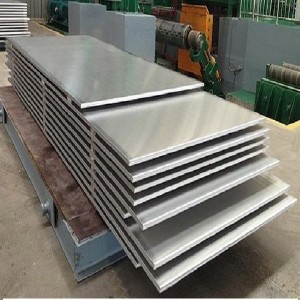
High-strength aluminum plate for aerospace and tooling work

Quality documents to request for export aluminum orders
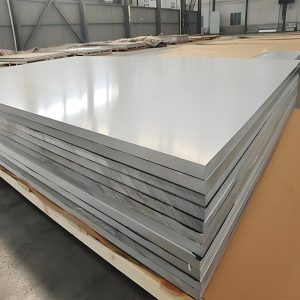
What buyers should check on marine classification certificates
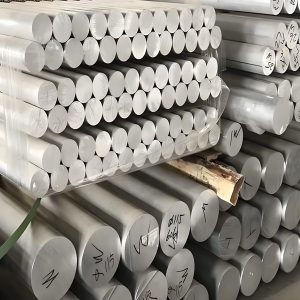
6061-T6 aluminum bar for CNC and structural parts
Review common buyer situations such as shortlisting related products, planning a custom project, checking specifications, and comparing supplier options before confirming the next inquiry step.
I needed to understand what range of sizes for standard aluminum I beam profiles to ask about, and this page helped me separate height, flange, and web questions.
When drafting my RFQ, I used the size range topic to clarify whether standard aluminum I beam profiles matched our drawing assumptions before discussing material details.
I was comparing standard aluminum I beam profile options, and the page reminded me to ask about available section depths rather than just overall length.
I used this tag page to prepare supplier questions around what range of sizes for standard aluminum I beam profiles could fit our bracket design.
Include target alloy, temper, beam height, flange width, web thickness, length tolerance, surface finish, end-use load conditions, drawing files, inspection requirements, and expected sample review method to support accurate technical quotation comparison.
Compare I beams with channels, T profiles, and rectangular tubes by section geometry, weight efficiency, connection method, bending direction, machining needs, and assembly constraints. This helps confirm whether an I beam is suitable for the new product line.
Review sample dimensions, straightness, flange symmetry, web thickness, surface condition, cut quality, marking consistency, and compatibility with mating parts. Record deviations against drawings so engineering and sourcing teams can align before larger procurement.
Key details include extrusion die feasibility, alloy choice, minimum wall thickness, profile height, flange proportion, tolerance class, surface treatment allowance, and required cut length. These factors influence whether a standard or custom size is practical.
Document dimensional checks for height, flange width, web thickness, wall variation, straightness, twist, cut length, surface defects, and packaging condition. Inspection records should reference drawings, agreed tolerances, and sample approval notes.
Ask how nonconformance feedback is handled, what documents can be reviewed after receipt, how dimensional concerns are communicated, and whether technical discussions are available for future design adjustments. Avoid assumptions; confirm support scope in writing.
Send your required dimensions, drawings or reference photos, quantity range, finish requirements, destination, and inspection documentation needs so the quotation can be reviewed more efficiently.