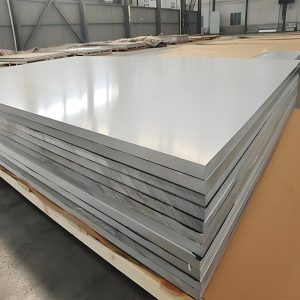
You can buy a sheet of aluminum from a manufacturer, factory, or supplier that can match your required grade, thickness, size, finish, tolerance, packaging, and project documentation needs.
For B2B sourcing, the best next step is to send a specification checklist rather than a general request. Include application details, drawings or samples if available, quantity range, delivery expectations, and any custom brand or consistency requirements.
Start with the application. Confirm whether the aluminum sheet will be used for fabrication, enclosure panels, decorative surfaces, machinery parts, transport equipment, or another project. This helps the supplier check whether the requested material, thickness, surface, and processing options are suitable.
Prepare a clear specification checklist before asking for pricing. Include alloy or preferred material standard if known, sheet thickness, width and length, surface treatment, edge condition, quantity, packaging method, and inspection requirements. If the design is still being finalized, explain which items are flexible.
For custom projects, confirm sample arrangements early. Ask what sample size can be provided, whether the sample represents the final finish and packaging, and what technical details will be checked before mass production. This reduces the chance of misunderstanding between sample approval and repeat orders.
When comparing suppliers, do not judge only by unit price. Review communication accuracy, ability to follow drawings, support for brand customization, quality check process, after-sales response, and consistency across future batches.