Buying Thin Aluminum Sheets from a China Manufacturer | SUZHOU TOP METAL MATERIALS CO.,LIMITED

Buying Thin Aluminum Sheets from a China Manufacturer

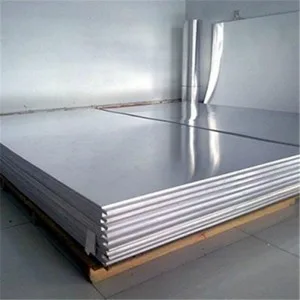
Thin aluminum sheets can be bought through a local metal distributor or sourced from a manufacturer in China. The better route depends on how much material you need, how precisely it must be cut, and how soon it must reach your workshop.

Before choosing where to buy, identify what the sheet will do: bend into an enclosure, form a panel, or serve as a visible finished surface. That use determines the alloy, temper, thickness and surface requirements worth specifying.

Related Products

Stucco Embossed Aluminum Sheet

Stucco Embossed Aluminum Sheet

A stucco embossed finish is designed to have superior durability, reduce glare and reflectivity, and also to give aluminum a decorative finish. The stucco aluminum sheet is also a finish that can stan…

Read More
Thick Aluminum Sheet

Thick Aluminum Sheet

The next finer classification is the aluminium sheet standard sizes. Standard aluminium sheet sizes include aluminium sheet metal thickness, width and length. When ordering aluminum alloy sheet, custo…

Read More
Hot Selling 3003 Aluminum Plate

Hot Selling 3003 Aluminum Plate

Aluminum plate price usually depends on the international aluminium alloy price and the production cost. The customers can search aluminium alloy price on the Internet and now the most authoritative p…

Read More

Match the sheet to the finished part

Sheet selection

Compare thin sheet options by alloy and temper, usable dimensions, thickness tolerance and surface condition. Those details matter more than a general description such as “aluminum sheet,” particularly for formed or visible parts.

Criterion What To Check Why It Matters Buyer Tip
Thickness and tolerance State the nominal thickness and ask for the available tolerance. Thin sheet can bend or fit differently when thickness varies. What thickness range can you supply across the ordered sheets?
Alloy and temper Match both to the planned forming, machining or finishing process. Sheets of the same thickness can behave differently in fabrication. Tell the supplier what you will make, not just the alloy you have in mind.
Sheet size and cut edges Confirm usable dimensions, cut-to-size options and edge condition. An unsuitable cut can add waste or require extra preparation. Ask the manufacturer whether the sheets come in standard sizes or are cut from coil.
Surface condition Specify the finish and which face must remain free of visible damage. Scratches matter more on exposed panels than on concealed parts. If appearance matters, ask how the factory protects the sheet faces during cutting and packing.
Order format and packing Confirm sheet quantities, packing method and how flatness is protected in transit. Thin sheets are vulnerable to bent corners and surface marks. When comparing suppliers in China, ask for the packed sheet size and weight before arranging freight.

Choose between stock sheet and a specified order

A distributor is often the simpler choice for a small quantity or an urgent job: you can ask about available stock and cut sizes. Buying from a manufacturer may suit repeat orders with consistent dimensions or finishing needs, but confirm the order quantity, production scope and delivery terms before comparing offers. Suppliers using the same alloy name may still quote different tempers, tolerances or surface conditions, so compare the material description rather than the price alone.

Start with the operation the sheet must survive. A readily formable sheet may be preferable for tight bends, while a stiffer temper may suit a flatter panel. Do not choose an alloy or temper from appearance alone; tell the seller if the material will be bent, joined or exposed to weather.

Specify thickness and the sheet dimensions you can actually use. Check whether quoted dimensions are stock sizes or cut pieces, and ask how thickness tolerance and edge condition will be described. If your process starts with narrow strips, coil cut to length may be worth discussing rather than ordering oversized sheets and creating scrap.

For visible parts, distinguish a mill finish from a specified surface finish. If you plan to anodize the sheet, ask about surface suitability and handling marks before ordering; a protective film does not correct defects already present beneath it.

When comparing a local supplier with a factory in China, request quotes against the same material description and delivery destination. Ask what packaging will protect thin sheets from bending and scratches, and who handles cutting. Then send SUZHOU TOP METAL MATERIALS CO.,LIMITED your intended use and required dimensions to confirm what it can supply.

Criteria Importance Description Example Options
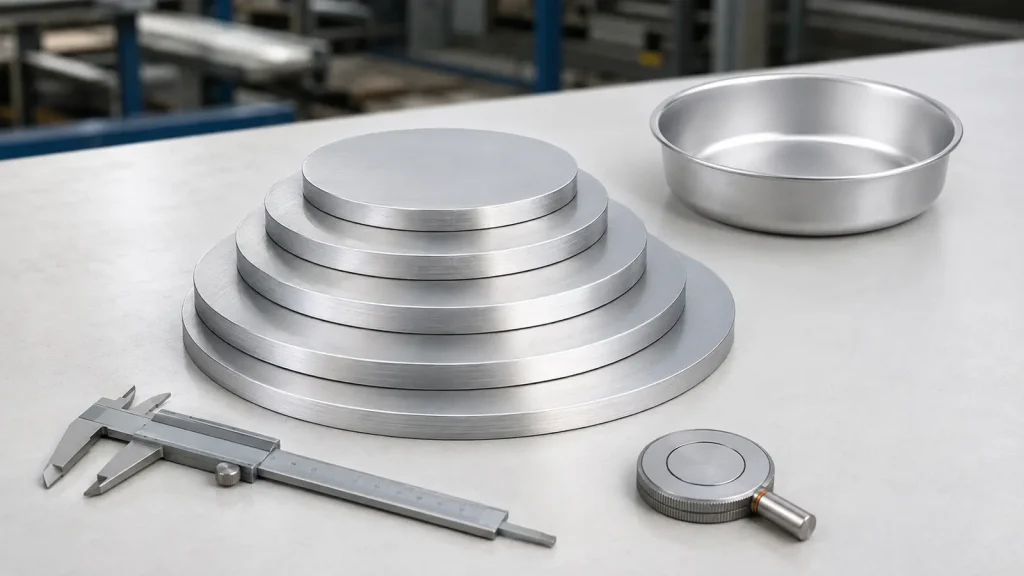
Material form Determines whether the material suits the finished part and how it will be processed. Compare sheet with foil for flexible uses or plate for thicker parts; do not treat the terms as interchangeable specifications. A panel that must hold its shape calls for a different starting material than a flexible covering.
Alloy and temper Especially important when the part will be formed. Compare options against the required bend and finished shape, not just the alloy name. A formed enclosure may need a different temper from a flat cover panel.
Thickness and usable size Affects fit, fabrication and material waste. Check thickness tolerance and whether quoted dimensions describe stock sheets or finished cut pieces. A cut sheet close to the required blank size may produce less scrap than an oversized stock sheet.
Surface condition Critical when the sheet remains visible or receives a finish. State the acceptable face condition and ask how handling marks will be controlled. A concealed inner panel and a visible anodized cover may have different surface requirements.
Purchase route Changes the balance between immediate availability and a repeatable specified order. Compare local stock with a manufacturer in China against the same material description, quantity and delivery destination. A small urgent repair may favor available stock; recurring cut parts may justify discussing a specified order.

Product Selection

Related Options

For enclosure panels, prioritize a sheet that can be formed as intended and arrives with an acceptable surface. A lower material price offers little benefit if unsuitable temper causes cracking or handling damage makes visible panels unusable.

Blog Articles / Reviews

6061 0 Aluminum Sheet: What Should Buyers Verify?

6061 0 Aluminum Sheet: What Should Buyers Verify?

A request for 6061 0 aluminum sheet is a temper-specific purchasing question, not simply a request for generic 6061 sheet. That distinction matters when a buyer compares supplier quotations. TOP METAL…

Frequently Asked Questions

Will a thin sheet work for a bent enclosure?

It can, but the alloy, temper and bend design must suit the forming operation. If the bend is tight or the visible face must remain unmarked, describe those requirements and consider testing a sample before placing a repeat order.

Should I buy sheet, foil or plate?

Choose sheet when the part needs a cuttable panel that can hold its shape. Foil suits flexible coverings, while plate is the more relevant starting point for a thicker structural part; the names alone do not establish the thickness you will receive.

Does “thin aluminum sheet” describe a standard thickness?

No. State the required thickness and acceptable tolerance in a unit both parties use, rather than relying on “thin” or a nominal size. Check that the quoted thickness applies to the material you will receive.

Can a factory in China supply cut sheets instead of coil?

Ask whether cut-to-size sheets are available for your alloy, temper and order quantity, and who performs the cutting. Confirm the resulting dimensions and edge condition before comparing that offer with stock sheets from other suppliers.

What should I ask for if my production records require material traceability?

Tell the seller what identification or material documentation your process requires and ask what can be provided for the quoted batch. Confirm this before ordering rather than assuming a material description on the quote will meet your records requirement.

Leave Your Message

Tell us the sheet’s intended use, required thickness and dimensions, and whether it will be bent or have a visible finish. We can then discuss whether a suitable option is available.