White Anodized Aluminum Sheet: Questions for a China Manufacturer | SUZHOU TOP METAL MATERIALS CO.,LIMITED

White Anodized Aluminum Sheet: Questions for a China Manufacturer

White anodized aluminum sheet needs to meet both the appearance standard and the demands of its application. For a visible panel, the main decision is not just the shade of white: confirm how the finish is produced, how it looks under the intended lighting, and whether the sheet will be cut or formed after finishing.

Related Products

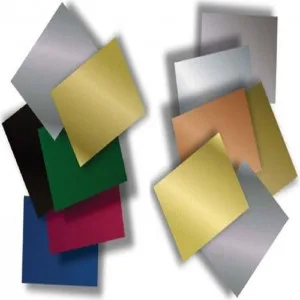
Golden Brushed Anodised Aluminum Sheet

Golden Brushed Anodised Aluminum Sheet

Anodized Aluminum is corrosion and abrasion resistant meaning it will not fade, chip, peel, or flake. Anodizing is a process used to increase the thickness of the natural oxide layer on the surface of…

Read More

Match the white finish to the sheet and fabrication

Sheet selection

Compare sheets by confirmed finish process, approved sample, base-metal specification and the fabrication the sheet must undergo. Those details are more useful than a color name alone.

Criterion What To Check Why It Matters Buyer Tip
White appearance Compare a physical sample with your approved white under the lighting used at installation. Anodized white may show some of the metal beneath it and look different from painted white. Ask the supplier how it will match the approved sample across batches.
Base metal and forming Confirm the alloy and temper, and whether the sheet will be bent before or after anodizing. The base metal affects forming, while bending a finished surface can damage its appearance. Send the manufacturer a drawing showing every bend and visible face.
Sheet and finish thickness Request separate figures for base-metal thickness and anodized-layer thickness. Confusing the two can affect fit and leave the finish requirement unclear. Ask which thickness the quoted sheet size refers to.
Visible surface and cut edges Review the sample for grain, marks and color variation; confirm how cut edges will appear. A face that looks consistent can still have exposed edges that stand out in an assembly. Tell the China factory or supplier which faces and edges remain visible.
Batch acceptance Agree on an approved sample and the acceptable appearance range before ordering. A verbal request for white leaves room for different interpretations between production batches. Ask prospective suppliers how they compare finished sheets with the approved sample.

Decisions to settle before approving a sample

“White anodized” can be used loosely in an inquiry. Anodizing creates an oxide layer on aluminum, while a white painted or powder-coated surface is a different finish. Ask suppliers to identify the finishing process and provide a physical sample before approving color or texture. A photograph alone will not show sheen, grain or differences between batches reliably.

Start with the application. A decorative interior panel may put color consistency first; a part that will be bent or used outdoors needs closer attention to forming sequence and finish suitability. Describe where the finished face will be visible and the conditions it must withstand.

Specify base-metal thickness separately from any finish thickness, along with sheet dimensions and the required flatness. If the drawing calls for a particular alloy or temper, include it; those choices affect forming and fabrication as well as the finished appearance.

Decide when cutting, punching and bending will happen. Processing a finished sheet can expose bare aluminum at edges or affect the visible surface. Ask how edges and formed areas will look in the delivered part rather than assuming the white finish will cover them.

When comparing suppliers in China, ask whether each is the manufacturer or works with a separate factory, and who will approve the finish sample. Send a drawing and a color reference with the inquiry so the proposed material and finishing route can be checked against the same requirements.

Criteria Importance Description Example Options
Finish process Determines what surface is being specified and how alternatives should be compared. Confirm whether the proposed white surface is anodized, painted or powder-coated rather than relying on the color name. Two sheets described as white may have different surface textures because they use different finishing processes.
Appearance under installed lighting Especially important for panels displayed side by side. Compare physical samples for shade, sheen and grain under the lighting the finished part will see. A sample approved in daylight may look different beside a warm interior light.
Alloy, temper and base-metal thickness Affects whether the sheet suits the drawing and planned forming. Specify these separately from the surface finish; a matching white sample does not establish mechanical suitability. A formed cover and a flat decorative panel may call for different base-metal choices.
Fabrication sequence Matters when cut edges, holes or bends remain visible. Compare finishing before fabrication with finishing after fabrication, and agree on the appearance of exposed areas. Cutting an already finished sheet may leave an edge that does not match its face.
Sample approval and supply responsibility Helps keep a repeat order aligned with the accepted appearance. Ask suppliers who makes the sheet, which factory controls the finish and who checks production against the approved sample. A buyer in China can ask for one agreed reference sample to be used by both the supplier and the finishing factory.

Blog Articles / Reviews

Frequently Asked Questions

Is this sheet suitable for an illuminated sign face?

A solid aluminum sheet blocks light, so it is suitable for an opaque sign panel rather than a face that must transmit light. If the panel will sit near a light source, assess the sample under that lighting for glare and color changes.

Would a white powder-coated sheet be a better choice?

It may be if the project needs a particular opaque white that the proposed anodized finish cannot match. Compare physical samples and confirm the finish process, especially if exposed edges or later forming will be visible.

Does the specified sheet thickness include the anodized layer?

Do not assume it does. State the required base-metal thickness and ask how the supplier reports any finish thickness so the material meets the drawing.

Can the same finish be used on an outdoor panel?

That depends on the proposed finish and the panel’s exposure to weather, cleaning and contact with other materials. Give the supplier the service conditions and ask for a sample and finish details appropriate to that use.

What should I confirm before placing a repeat order?

Agree on the approved physical sample, acceptable appearance variation and which face is critical. Also ask whether the supplier is the manufacturer or uses another factory, and who will check subsequent production against the approval.

Leave Your Message

Tell SUZHOU TOP METAL MATERIALS CO.,LIMITED the application, required sheet dimensions and thickness, and the white finish or sample you need matched. Mention any cutting or forming planned after finishing.