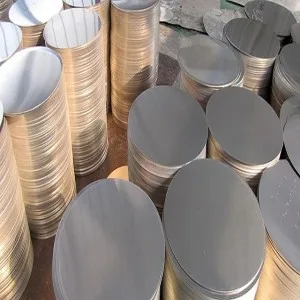
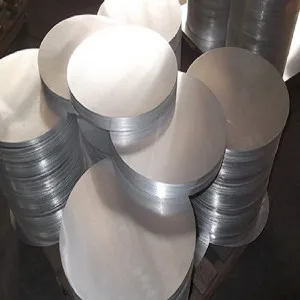
“100” alone does not identify an aluminum alloy or temper. If it means 100 micrometers thick, handling and forming needs will differ greatly from a sheet with a 100 mm cut dimension. If it is meant to describe a 1000-series alloy, the exact grade still matters. Check the drawing’s units and material callout rather than treating these descriptions as interchangeable.
Start with the job the sheet must do. A visible panel may need a specified surface appearance, while a formed part needs a temper suitable for its bends. If the sheet will be anodized or coated, state the intended finish before confirming the base material.
Specify thickness separately from length and width, with units for each. Also say whether dimensions refer to the supplied sheet or the finished cut part. Omitting units is an avoidable mistake when a request contains a number such as “100.”
Consider fabrication before settling on a grade and temper. A softer temper can make forming easier, while a harder temper may better suit a part that must retain its shape. Tight bends, visible surfaces and subsequent finishing can change which option is appropriate.
Send SUZHOU TOP METAL MATERIALS CO.,LIMITED the drawing or intended use, and ask them to confirm how they interpret “100,” which alloy and temper they propose, and whether the required size and finish are available.