14 × 14 × 1/8-Inch Aluminum Sheet: China Manufacturer Inquiry | SUZHOU TOP METAL MATERIALS CO.,LIMITED

14 × 14 × 1/8-Inch Aluminum Sheet: China Manufacturer Inquiry

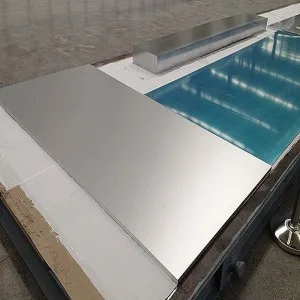
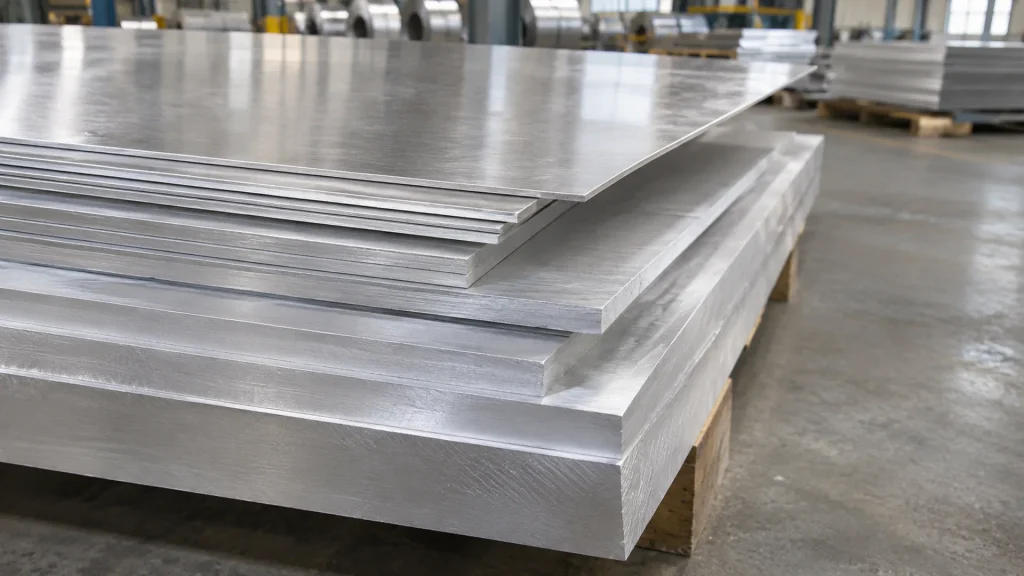
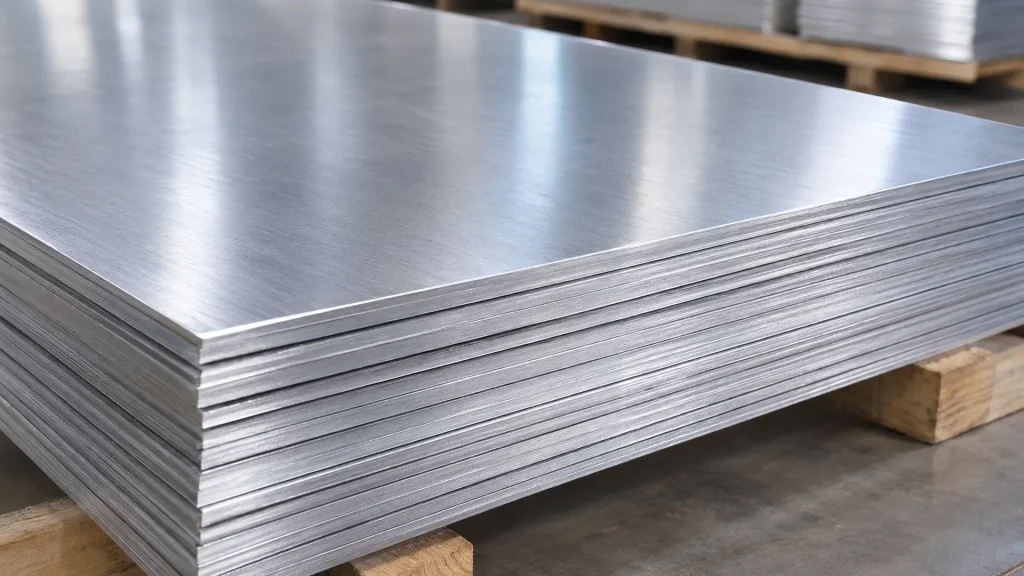
A 14 × 14 aluminum sheet at 1/8-inch thickness can serve as a small panel, cover or fabrication blank. Before ordering, confirm that 14 × 14 means inches and whether those dimensions describe the finished piece or a blank you will trim.

Related Products

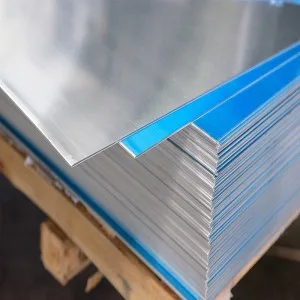
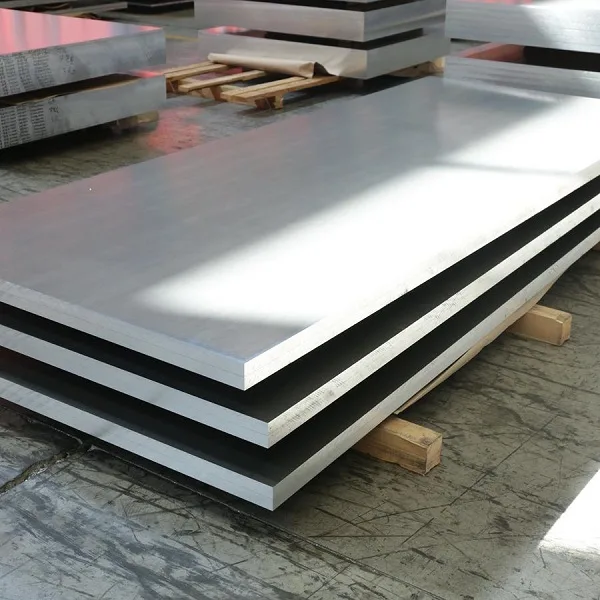
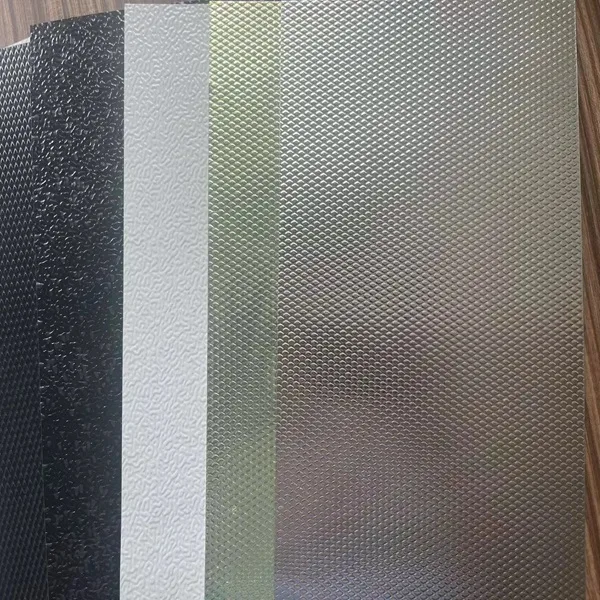
China aluminum plate sheet

China aluminum plate sheet

We mainly produce 1000 Series aluminum sheet, 2000 Series aluminum sheet, 3000 Series aluminum sheet, 5000 Series aluminum sheet, 6000 Series aluminum sheet, 7000 Series aluminum sheet, 8000 Series al…

Read More

Match the sheet to the finished part

Sheet selection

Compare a proposed sheet by alloy, temper, actual cut dimensions, edge condition and surface finish. Those details determine whether it arrives ready for assembly or still needs processing.

Criterion What To Check Why It Matters Buyer Tip
Sheet size and thickness Confirm that 14 × 14 means inches, that 1/8 inch is the nominal thickness, and what tolerances apply. A small size or thickness difference can affect fit in a frame or enclosure. Ask for the accepted width, length and thickness ranges on the order.
Alloy and temper Match the specified alloy and temper to any bending, machining or exposure requirements. Sheets of the same size can behave differently during forming and in service. Will the sheet remain flat, or does the part drawing call for bends?
Surface and flatness State which face will be visible and whether scratches, protective film or waviness matter. A cosmetic panel needs a different acceptance standard from a concealed mounting plate. Identify the visible face and request the applicable surface and flatness criteria.
Cut edges and corner detail Confirm whether the blank needs deburred edges, square corners or a specified corner radius. Edge condition affects handling and how the sheet seats against adjoining parts. Send a drawing if edge or corner geometry affects assembly.
Cut-sheet supply route Ask China-based suppliers whether the sheets are cut from stock or supplied through a manufacturer or factory, and who confirms the cut tolerances. The supply route determines which party should verify the finished blank against your drawing. Who will check the final 14 × 14 dimensions before dispatch?

Set the cut, temper and surface requirements

The same size sheet can behave differently depending on its alloy and temper. A sheet intended for bending needs a suitable forming temper; a flat panel may put more emphasis on stiffness and surface appearance. Specify the job before choosing a grade, rather than treating every 1/8-inch sheet as interchangeable.

State the intended use and any bending, drilling or finishing planned after delivery. If a bend is required, share its location and direction so the proposed alloy and temper can be checked for fit.

Distinguish nominal sheet size from required cut size. Give the acceptable dimensional tolerance, and say whether burrs, sharp corners or visible cut marks would cause a problem. A part that fits a frame may need a more precise cut than a blank for further machining.

Describe the exposed face, if there is one. Surface marks that are acceptable on a concealed bracket may not suit a visible cover; protective film or a specified finish may matter more than appearance on both sides.

For an inquiry to a manufacturer in China, send the units, alloy and temper if known, quantity, and cut-edge requirements. Ask whether cutting and surface protection are handled at the factory or by another processor. Different suppliers may quote different scopes, so compare the proposed material and finished condition, not just the sheet size.

Criteria Importance Description Example Options
Cut piece versus larger blank Important when the part must fit without further trimming. A cut-to-size piece saves downstream work; a larger blank provides machining allowance. Choose a finished cut for an established cover drawing, or a larger blank for a part still being prototyped.
Alloy and temper Decisive if the sheet will be formed or must retain its shape. The alloy and temper affect how the sheet responds to bending and service loads; size and thickness do not identify them. Compare a proposed forming temper with a harder temper for a flat, unbent panel.
Thickness specification Critical where the sheet fits a slot, clamp or mating part. State 1/8 inch as the nominal thickness and define an acceptable tolerance if the fit requires one, rather than ordering by gauge alone. A sheet held between two fixed components may need a stated thickness tolerance.
Surface and edge condition More important for visible or ready-to-assemble parts than for blanks being reworked. Face marks, burrs and corner condition affect appearance and handling, even when the material and dimensions match. A visible cover may need a protected face and edges suitable for assembly; a machining blank may not.

Blog Articles / Reviews

Frequently Asked Questions

Is this size suitable for an equipment cover?

It can be, if the cover has adequate support and the chosen alloy and temper suit the load. Check the mounting pattern and whether the panel must stay flat in use; thickness alone does not establish how a finished cover will perform.

Should I buy a 14 × 14 cut piece or a larger blank?

A cut piece reduces work if the finished dimensions are settled. A larger blank leaves room for trimming or machining, but adds material and processing; allow for any material your cutting method will remove.

Does 1/8 inch mean a particular sheet gauge?

No. Specify 1/8 inch as the requested thickness rather than relying on a gauge number, which can be interpreted differently. If the fit is thickness-sensitive, state the acceptable thickness tolerance.

Can I substitute a harder temper if the alloy is the same?

Not without checking the application. A harder temper may suit a part that stays flat but be less forgiving where the sheet must be formed; give the supplier the planned bend details before accepting a substitution.

What should I confirm before comparing quotes?

Ask each supplier to identify the quoted alloy, temper and thickness, and whether the price covers a cut 14 × 14 piece or an uncut blank. Confirm the stated dimensions and edge condition so the quotes describe the same deliverable.

Leave Your Message

Tell us whether 14 × 14 is in inches, how the sheet will be used, and the quantity you need. Include any required alloy, temper or cut tolerance.