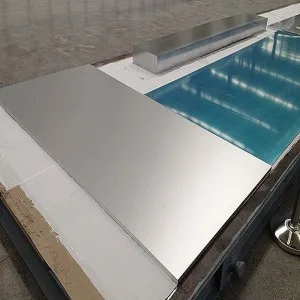
China 16 Ga Aluminum Sheet Weight Manufacturer, Factory & Suppliers can help source aluminum sheet for new product development, but the expected weight must be confirmed from actual thickness, alloy, length, width, and quantity. Request a specification sheet and weight calculation basis rather than relying on the gauge label alone.
For a useful comparison, send the application, required dimensions, material grade, finish, tolerance, order quantity, destination, and documentation needs. Then review sample details, inspection points, lead time, and packaging requirements before selecting a supplier.
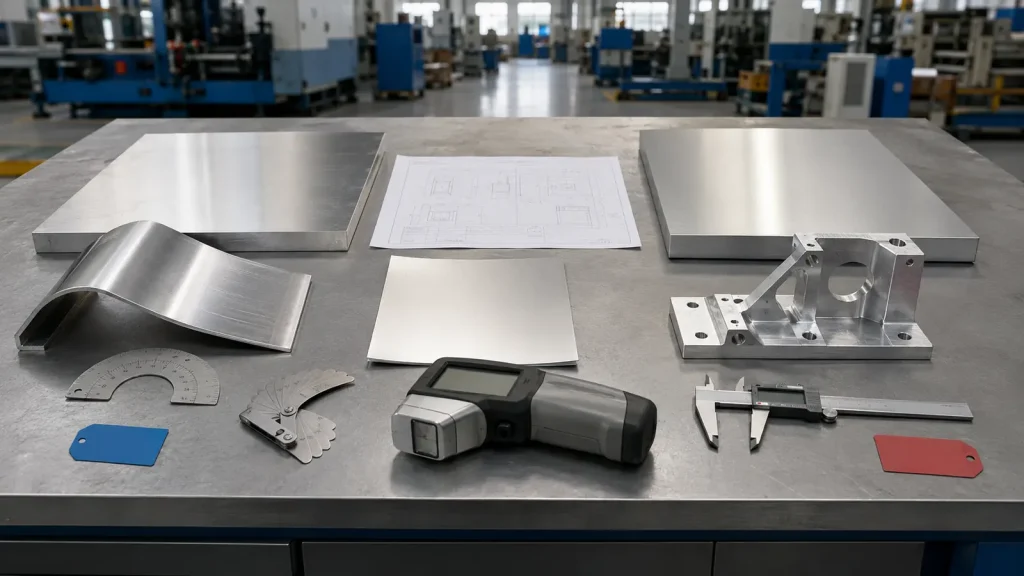
Begin with a controlled specification. State whether 16 gauge is a nominal reference or a required thickness range, then identify the alloy, temper, sheet length, sheet width, surface finish, flatness, and allowable tolerance. These details give the supplier a consistent basis for calculating weight and preparing samples.
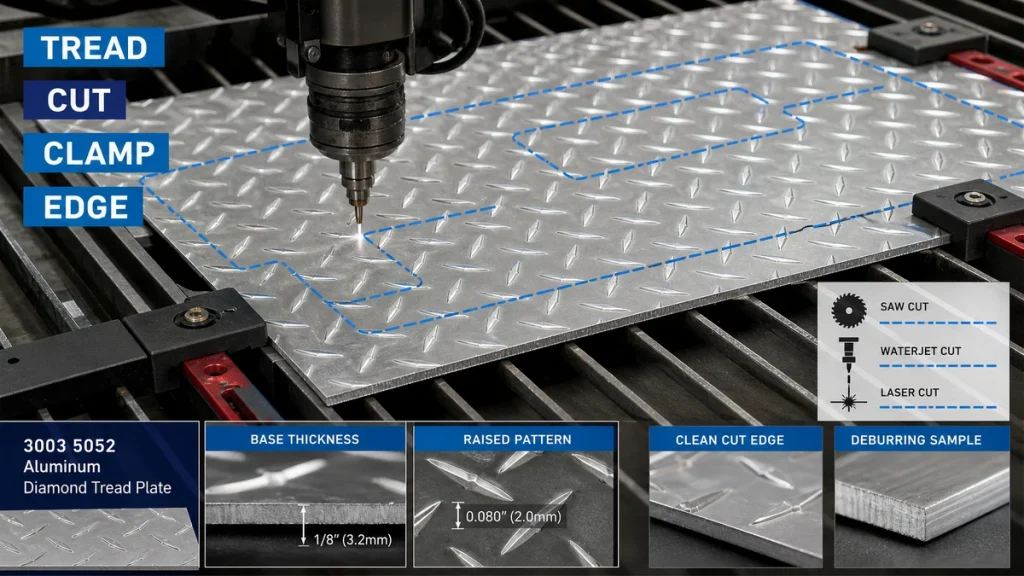
For a new product line, explain how the sheet will be formed, cut, joined, coated, or assembled. Include drawings, sample references, forecast quantity, trial-order quantity, and expected repeat-order volume when available. Ask the supplier to identify any specification that could affect manufacturability or quotation accuracy.
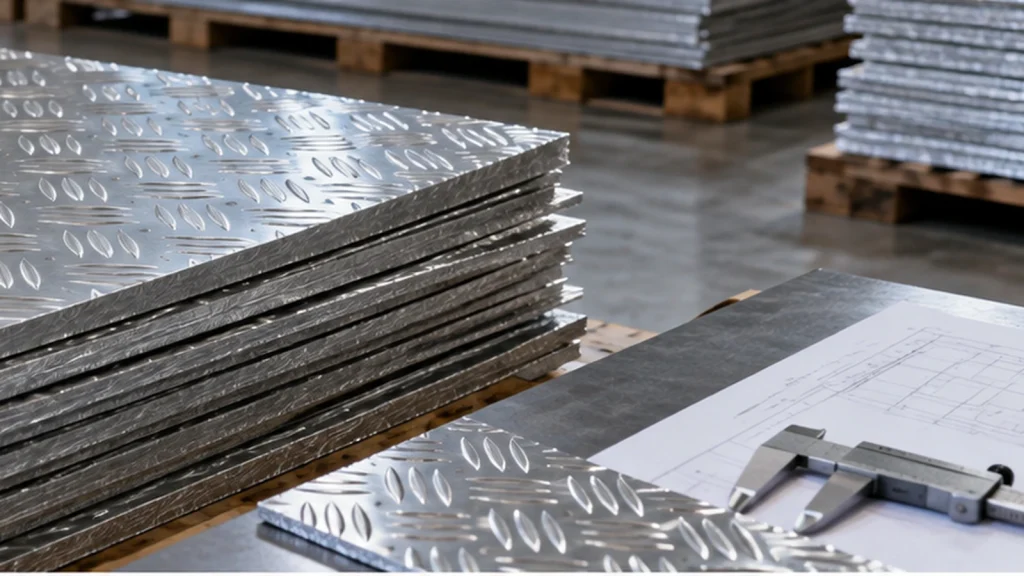
Prepare an RFQ that requests unit pricing, weight basis, sample availability, production lead time, shipping terms, and packaging method. Confirm whether the quotation covers protective film, edge protection, pallets, labels, and export documentation. Packaging should be matched to the sheet size, surface condition, handling method, and destination.
During quality review, compare the stated thickness and alloy with inspection records, certificates, dimensional checks, surface criteria, and sample results. Ask how nonconforming material is handled and which documents accompany bulk orders. A clear response makes it easier to compare suppliers and approve a product for launch.