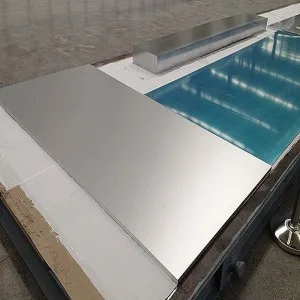
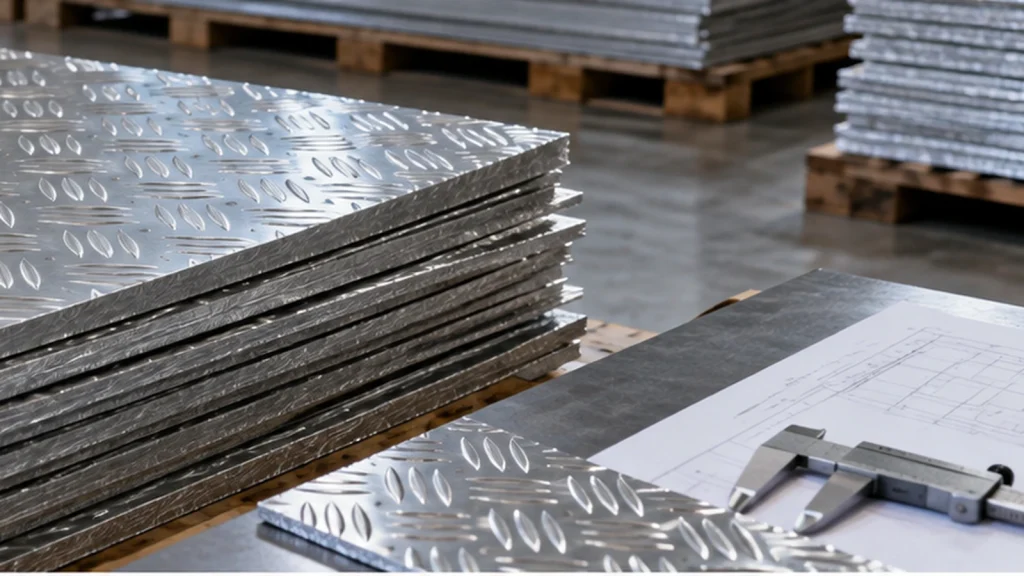
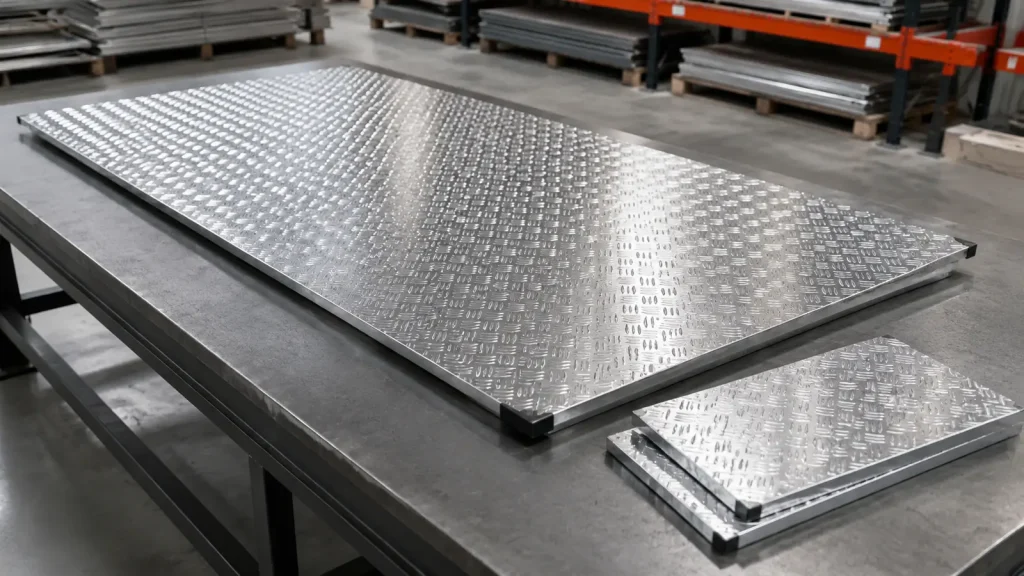
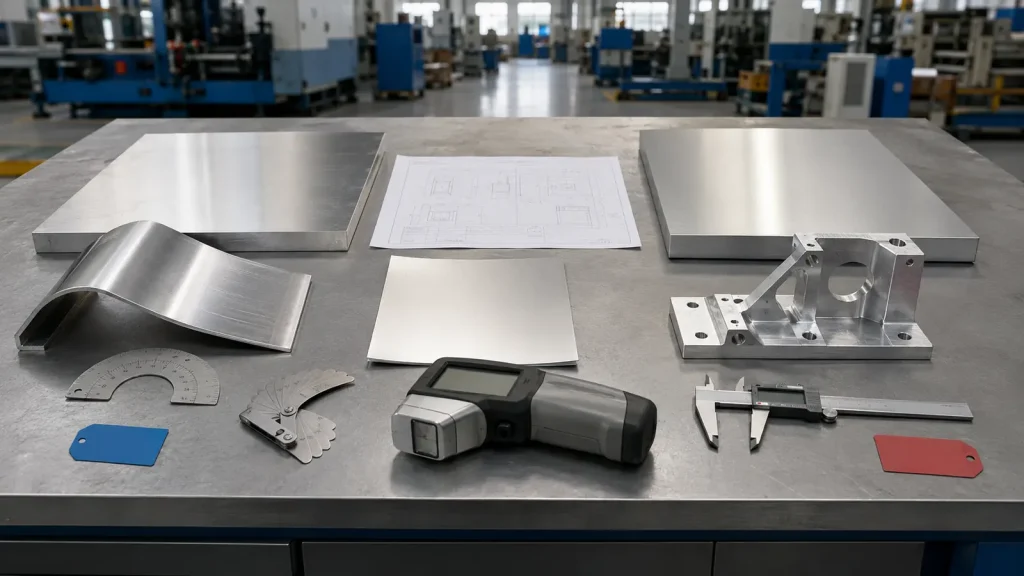
If you are searching for 4x8 aluminum sheet Canada sourcing options, start by confirming grade, thickness, surface finish, tolerance needs, packaging method, and intended use. These details help a supplier judge whether a standard sheet or customized solution is more suitable.
For B2B purchasing, the best inquiry should also include estimated quantity, delivery destination, project schedule, branding needs, and any drawing or sample reference. This reduces back-and-forth and helps both sides confirm whether the product can match the application before quotation.
Begin with the application environment. A project engineer should define whether the aluminum sheet will be used for fabrication, enclosure work, signage, panels, equipment parts, or another project-specific purpose. Share the required dimensions, thickness range, alloy preference if known, and any performance or appearance expectations.
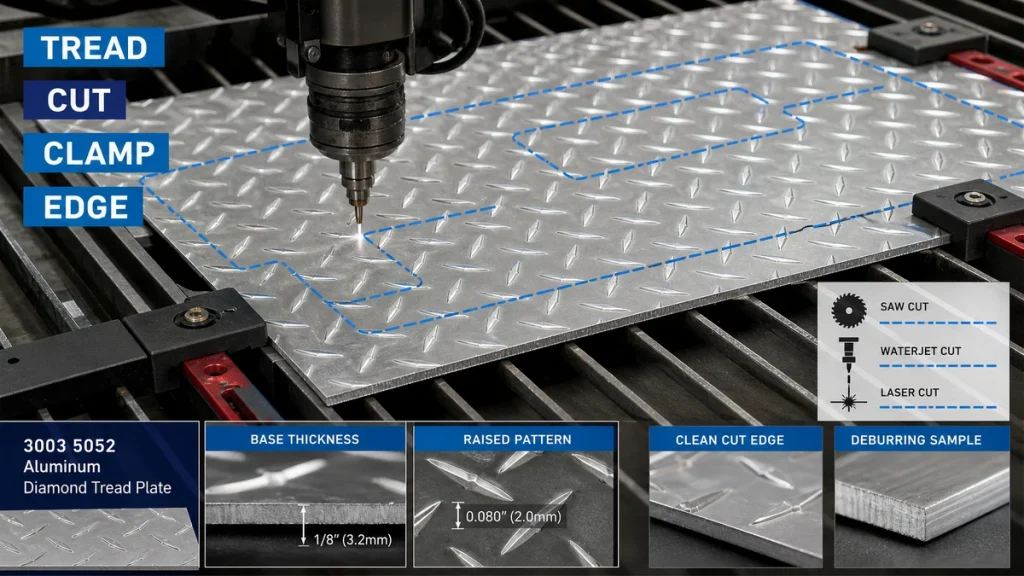
Next, prepare a specification checklist. Include surface requirements, protective film needs, cutting or processing expectations, logo or brand customization, pallet style, carton or wrapping preference, and labeling requirements. Clear packaging instructions are especially useful when sheets must arrive in a consistent condition for downstream assembly or resale.
When contacting a supplier, provide quantity range, target delivery location in Canada, expected order timing, and whether samples or pre-production confirmation are required. If the project is still in design review, explain which specifications are fixed and which are open to recommendation.
Compare supplier responses by how well they address your project risks. Useful replies should ask practical follow-up questions, confirm feasible options, and help organize custom requirements rather than only sending a general product list.