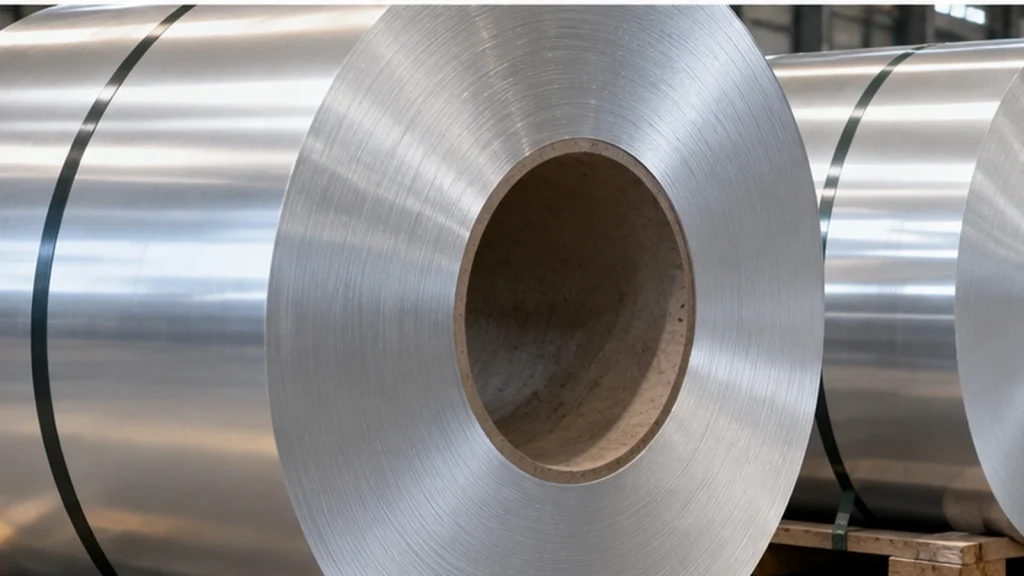
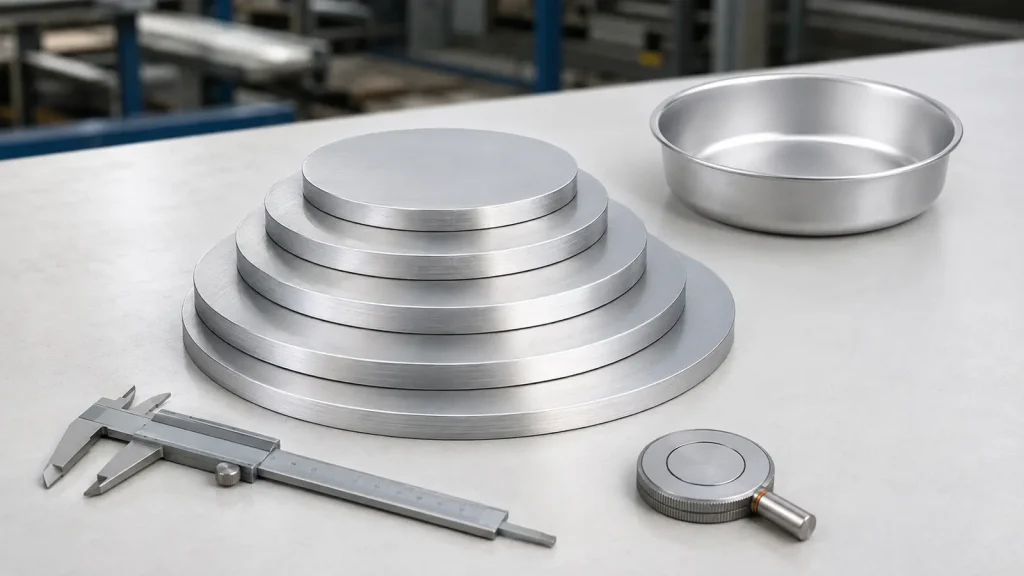
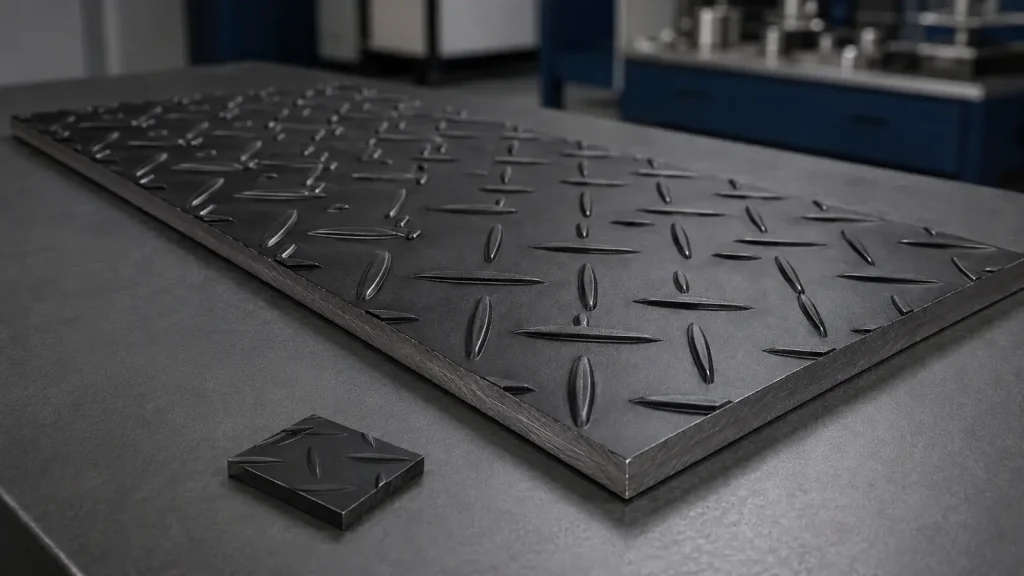
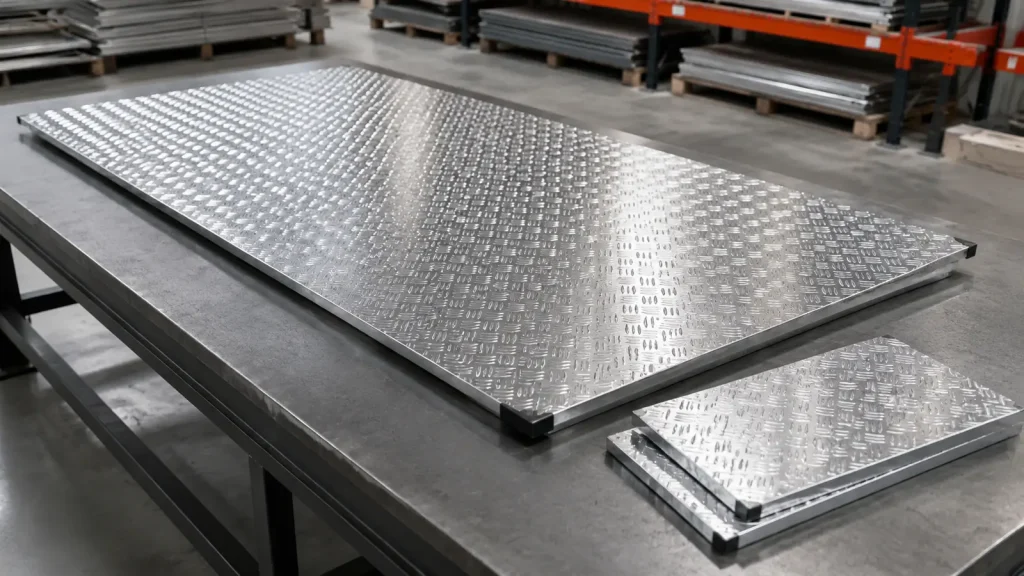
A suitable aluminum coil anodizing company should be evaluated by its ability to confirm material details, surface requirements, dimensional tolerances, packaging needs, and custom branding expectations before production or sample approval.
For B2B buyers, the best next step is to send a structured request with application use, quantity range, target finish, reference samples, and inspection points. This helps the supplier respond with practical options instead of a general quotation.
Start with the project application. Confirm whether the anodized aluminum coil will be used for decoration, enclosure panels, signage, appliance parts, or another formed component. Share expected bending, cutting, storage, and installation conditions so the supplier can check whether the requested coil specification is practical.
Prepare a specification checklist before asking for price. Include alloy or grade preference, thickness, width, coil ID, color or finish direction, surface protection, packaging method, labeling needs, and any brand customization requirements. If drawings or previous samples are available, provide them for comparison.
For sample confirmation, ask what details can be checked on the sample and what must be confirmed during bulk production. Useful points include color consistency, surface appearance, protective film, edge condition, packing format, and carton or pallet marking.
When comparing suppliers, look beyond unit price. Review response clarity, technical questions, documentation support, quality check process, and after-sales communication. A supplier that helps confirm details early can reduce misunderstandings across custom projects and repeat orders.