
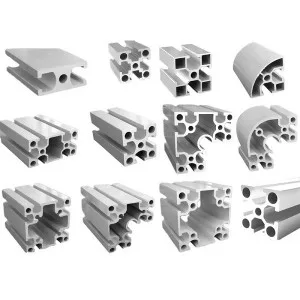
Custom aluminum profile manufacturer
Custom Aluminium profile is widely used in construction, machinery, industry, etc. Aluminium profiles are a great way to add both style and function to your home.
Read MoreChina Aluminum Cross-Sectional Profile Sourcing: Manufacturers, Factories & Suppliers | SUZHOU TOP METAL MATERIALS CO.,LIMITED
For OEM project planning, this page helps procurement managers assess China Aluminum Cross-Sectional Profile Manufacturer, Factory & Suppliers through application fit, customization scope, and sample approval. Use the related product information to define a practical starting point for supplier discussions.
Build a focused shortlist by comparing technical details, packaging requirements, quotation inputs, and sample confirmation steps. This approach can make early-stage sourcing clearer when several aluminum cross-sectional profile options appear suitable.
Custom Aluminium profile is widely used in construction, machinery, industry, etc. Aluminium profiles are a great way to add both style and function to your home.
Read More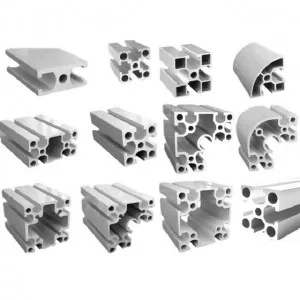
Aluminum profiles are products born from aluminum alloys bar that are transformed into shaped objects through the extrusion process. Extrusion alumium profiles are used in…
Read More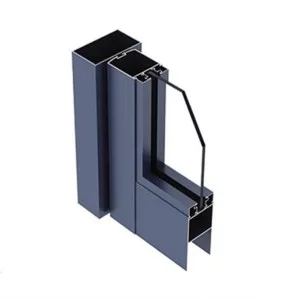
Aluminium extrusion profile for doors and windows is a kind of door and window frame decoration building material made of aluminum alloy as raw material. Its advantages are…
Read More
1050 aluminum strip coil are often used in daily necessities, lighting fixtures, reflectors, decorations, chemical industry containers, heat sinks, signs, electronics, lamps, nameplates, electrical ap…
Read More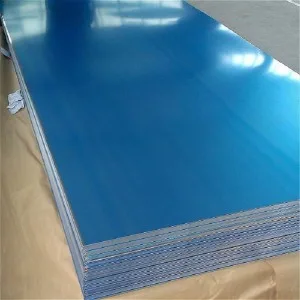
Aluminium 1080A, with the European designation EN AW-1080A is a ‘commercially pure’ alloy, minimum 99.8% Al, available as round bar or wire For the 1080 industrial pure aluminum, with high plast…
Read More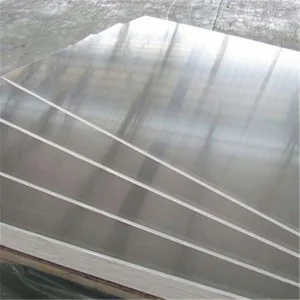
The pattern aluminum plate is also a kind of metal material, and it needs to be protected by scientific methods in daily operation. At the top of the list, regular cleaning, the stains on the exterior…
Read MoreApplication matching
The related product list helps you compare China Aluminum Cross-Sectional Profile Manufacturer, Factory & Suppliers by actual product direction rather than keyword wording alone. Check whether each product supports OEM project planning, then use the table below to prepare a clearer RFQ.
| Criterion | What To Check | Why It Matters | Buyer Tip |
|---|---|---|---|
| Section fit | Match drawing and dimensions | Confirms OEM application suitability | Share CAD or marked samples |
| Customization scope | Review alloy, finish, and tooling | Defines project feasibility | List tolerances in the RFQ |
| Sample approval | Confirm profile sample process | Reduces production mismatch risk | Approve measured samples first |
| Quotation inputs | Provide quantity and order schedule | Supports comparable supplier quotes | Include packing and destination |
| Export readiness | Verify packaging and documents | Aligns with delivery requirements | Specify labels and pallet needs |
The right China Aluminum Cross-Sectional Profile Manufacturer, Factory & Suppliers should match your application, required dimensions, material and finish expectations, customization needs, and approval process. Share project details rather than requesting only a general catalog.
For an efficient comparison, ask about samples, technical documentation, lead time, packaging, quotation conditions, and related profile options. These details help procurement teams evaluate fit before moving to an OEM order discussion.
Begin with the application and define the profile’s role in your OEM project. Provide drawings, dimensions, cross-section references, alloy or temper requirements, surface finish preferences, tolerances, and any assembly or performance considerations that affect product selection.
Clarify the customization scope before requesting prices. Ask whether the supplier can review drawings, produce samples, support special lengths or finishes, and confirm revisions through an approval process. If you have a reference sample, include its measurements and critical inspection points.
Prepare quotation information in advance, including estimated quantity, order frequency, destination, target delivery window, and required documentation. Also confirm lead-time stages, sample timing, export packaging, labeling, and protection requirements for the shipment.
When building a shortlist, compare related aluminum profile designs by application rather than appearance alone. Review technical responses, sample consistency, packaging answers, and communication quality together so the selected supplier fits both the product brief and the purchasing process.
| Criteria | Importance | Description | Example Options |
|---|---|---|---|
| Customization scope | High | Checks section, dimensions, finish, and machining options | Custom wall thickness and cut length |
| Sample approval | High | Confirms fit, appearance, and measured specifications | Drawing-to-sample dimensional review |
| Technical specification | High | Defines alloy, temper, tolerance, and surface treatment | 6063-T5 with anodized finish |
| Packaging requirements | Medium | Aligns protection, labeling, and handling needs | Protective film with separated bundles |
| Supplier comparison | Medium | Supports shortlist review using consistent RFQ data | Compare geometry, finish, and sample process |
Recommended Products
Top product matches should be reviewed by fit, specification clarity, customization readiness, and how well they support application matching. Use these factors to shortlist practical options before contacting the supplier.






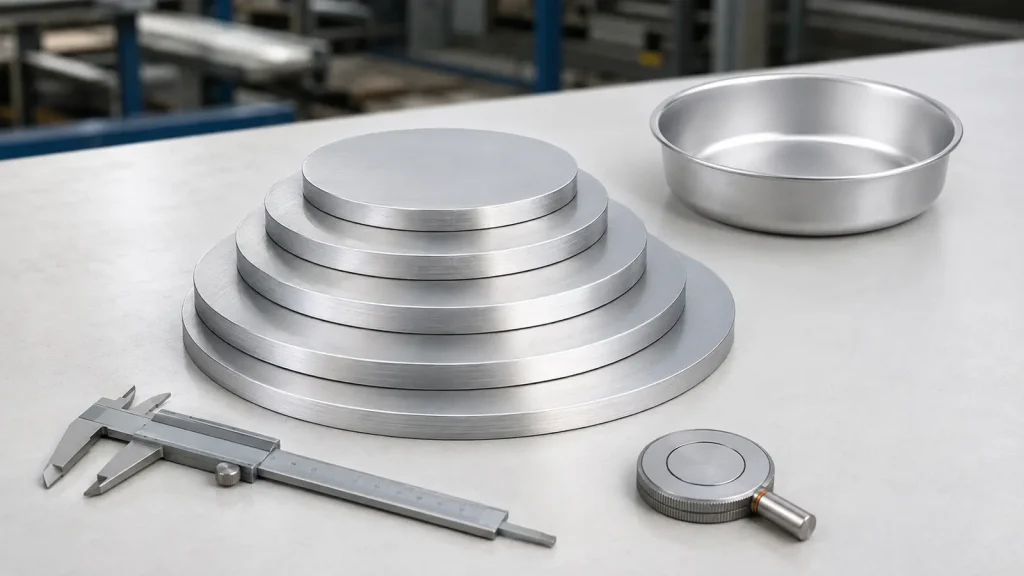
Direct Answer: Buyers should evaluate a versatile aluminum circle plate disc against the finished part and forming route, then confirm alloy, temper, thickness, diameter, dimensional tolerance, edge c…

Direct Answer: Buyers should ask an anodised aluminum sheet supplier China sourcing teams are reviewing to define the base alloy, temper, thickness, sheet size, anodizing sequence, finish, color-contr…
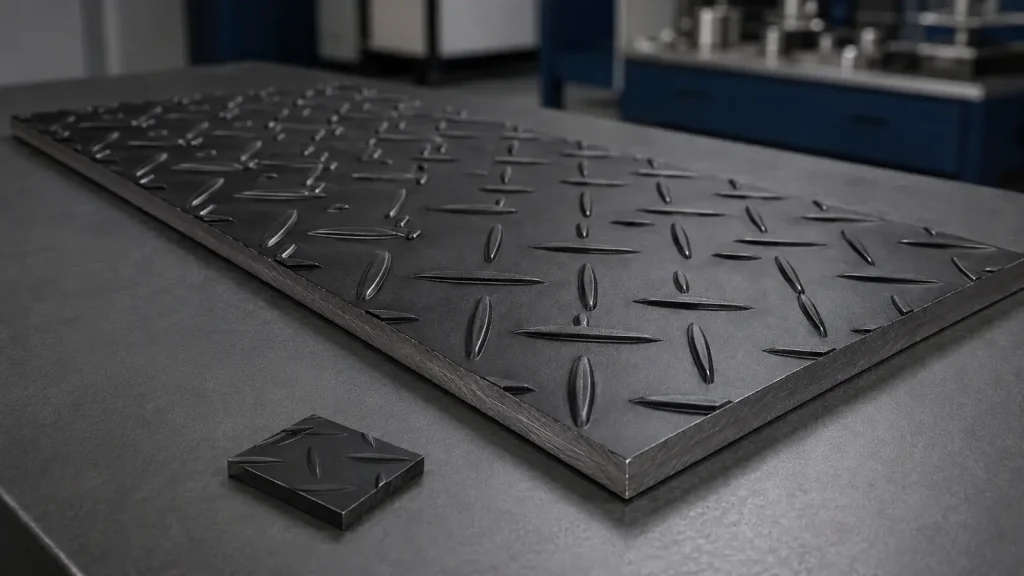
Buyers should evaluate black anodized aluminum tread plate as a complete material-and-finish specification, not as a black decorative surface alone. A workable purchase specification identifies the al…

Before production, buyers should freeze the 5083 aluminum coil’s governing material standard, temper, thickness and tolerance, width and edge condition, coil inside diameter, maximum outside dia…
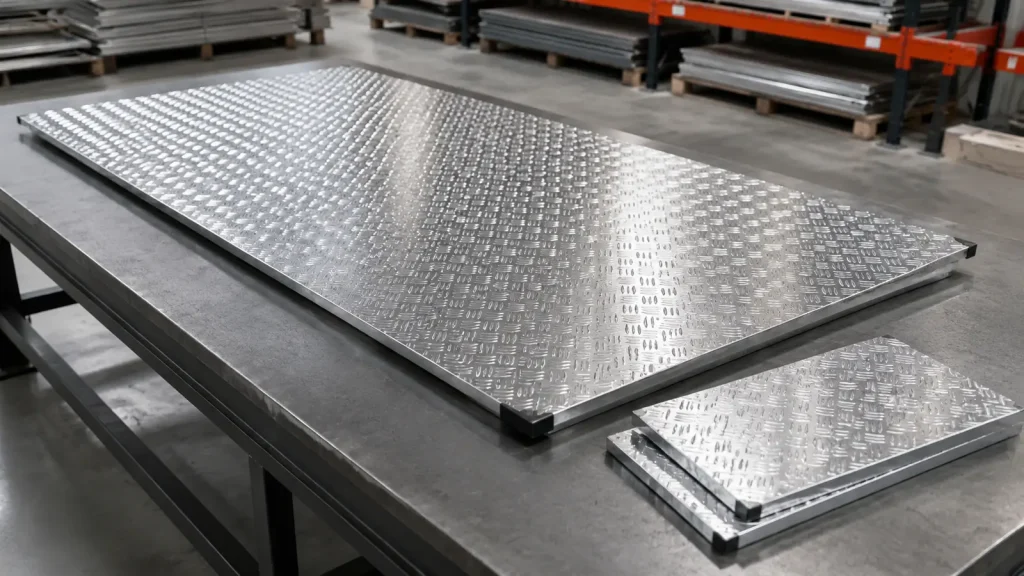
A 4×8 aluminum checkered plate order should define much more than nominal sheet length and width. Buyers need to state the alloy and temper, base-metal thickness, raised pattern, finished dimensi…
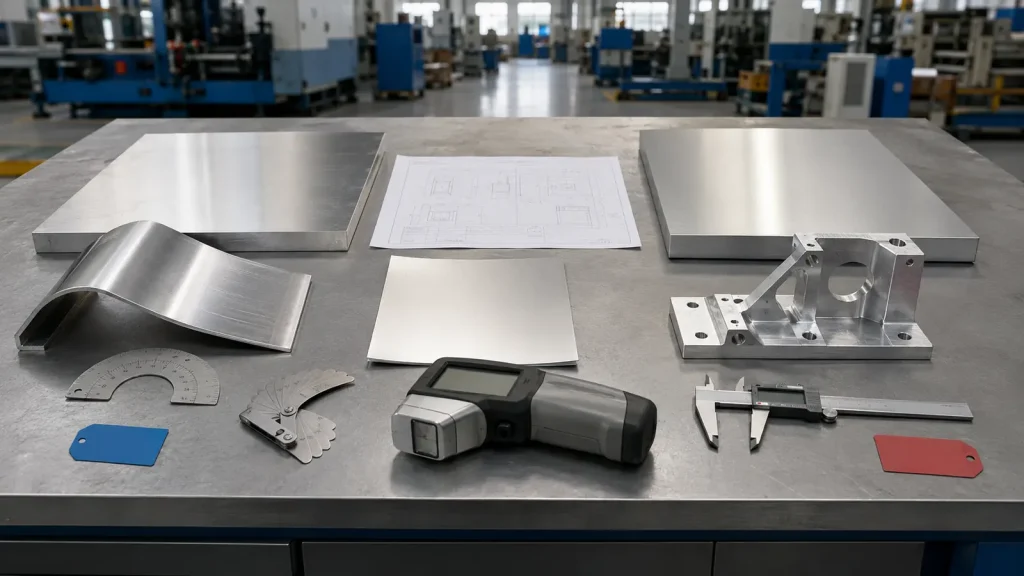
6061-T4 and 6061-T6 are not different aluminum alloys; they are different temper conditions of alloy 6061. Buyers should not treat T6 as a universally “better” version of T4. The correct t…
Recent buyer-style notes can help you frame practical comparison questions around OEM project planning.
I used this aluminum cross-sectional profile page to compare section drawings, wall-thickness questions, and finish requirements before sending a focused inquiry to potential suppliers.
Our engineering team referenced the aluminum cross-sectional profile information when clarifying dimensional tolerances, cut lengths, and whether a proposed section matched our enclosure design.
I found the aluminum cross-sectional profile details useful for preparing an RFQ, especially when separating standard section needs from genuinely custom geometry.
The aluminum cross-sectional profile reference helped me organize supplier questions around intended load, joining method, and sample review instead of sending a vague request.
For an OEM project, request estimated timing after sharing profile drawings, alloy, temper, surface finish, quantity, tooling status, sample requirements, and packaging instructions.
Specify export packaging requirements, bundle size, separators, protective film, labeling, pallet preferences, and container loading constraints in the RFQ so the quotation reflects handling needs.
A useful quotation request should include cross-sectional drawings, dimensions, tolerances, alloy and temper, finish, cut lengths, quantity, tooling assumptions, destination, and sample approval requirements.
Compare aluminum cross-sectional profiles with standard extrusions or fabricated components by section geometry, dimensional tolerance, joining method, surface finish, machining needs, and suitability for your OEM assembly.
Before approving a sample, check alloy designation, cross-section dimensions, wall thickness, finish, cut length, flatness, packaging, and fit against the drawing or prototype assembly.
For technical review, provide CAD files or clear section drawings, dimensional tolerances, alloy and temper, surface treatment, length tolerance, machining points, and inspection criteria.
Tell us your aluminum cross-sectional profile requirements, quantity, destination, and expected application. Include details related to customization scope and sample approval for a more useful reply.