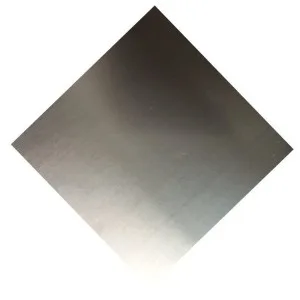
Aluminum Sheet Selection | SUZHOU TOP METAL MATERIALS CO.,LIMITED

Choosing Aluminum Sheet for Fabricated Parts

Aluminum sheet for panels, enclosures or insulation jacketing needs to suit both the finished part and the way it will be made. A sheet that looks right on a drawing may crack during forming, show handling marks or arrive with the wrong surface for the job.

Related Products

Match the sheet to the finished part

Sheet selection

Compare aluminum sheet options by alloy and temper, thickness, size and surface condition. Put the requirements that affect fabrication ahead of cosmetic preferences, then define the finish the exposed surface needs.

Criterion What To Check Why It Matters Buyer Tip
Alloy and temper Confirm the alloy and temper on the quotation and material documentation. They affect forming, strength and corrosion resistance; sheets of the same thickness are not interchangeable. Will the sheet be bent, welded or used outdoors?
Base-metal thickness Specify the required thickness and tolerance, and distinguish base metal from any coating or anodized layer. A thickness mismatch can affect fit, stiffness and finished-part dimensions. What thickness range can the finished part accept?
Surface finish Describe the visible surface, any finish requirements and which face needs protection. Mill finish, embossed texture and decorative finishes suit different uses and handling conditions. Is the sheet exposed to view, or will it be covered or fabricated?
Sheet size and flatness Provide the required length, width and flatness requirements for the intended process. The supplied format affects cutting waste, handling and how well parts fit downstream equipment. Do you need full sheets or cut-to-size blanks?

Alloy, thickness and finish decisions

Start with the difference between the base metal and its finish. Alloy and temper affect forming and strength; thickness affects stiffness and fit. Anodizing, reflective finishes and stucco embossing change the surface, but they do not substitute for the right base sheet. For a visible panel, appearance may drive the decision. For a bent enclosure, the forming operation deserves attention first.

Describe what happens to the sheet after delivery. If parts will be bent or shaped, confirm that the proposed alloy and temper suit the bend design. Do not select a temper on strength alone if the part also needs substantial forming.

Set thickness and dimensions from the part, not just the available sheet size. Include any cutting allowance and identify where tight fit matters. For a flat panel, also discuss flatness and how the surface will be protected during handling.

Specify the finish by its job. Reflective sheet calls for a clear appearance requirement; anodized sheet requires agreement on the base-metal thickness and finished surface; stucco embossing may suit insulation jacketing where a textured appearance is acceptable. A finish name alone may leave too much room for interpretation.

Send a drawing or a brief description of the application to SUZHOU TOP METAL MATERIALS CO.,LIMITED, then ask which alloy, temper, thickness and finish they can offer for it. Confirm any critical tolerances or appearance requirements before approving a quotation.

Criteria Importance Description Example Options
Alloy and temper Critical when the sheet will be bent or shaped. Compare forming needs with the mechanical properties required in the finished part; selecting an alloy without its temper leaves a key decision unresolved. A tightly bent enclosure may need a different temper from a largely flat structural panel.
Thickness and flatness Important where panels must fit closely or remain visually flat. Thickness affects fit and stiffness, while flatness can matter independently for broad, exposed surfaces. A wide cover panel can meet its thickness requirement yet still need a separate flatness requirement.
Surface finish Decisive when appearance or the surface’s function matters. Compare a reflective, anodized, embossed or plain surface by what the finished part needs, rather than treating the finishes as interchangeable. Stucco embossing may suit textured insulation jacketing but not a smooth, reflective panel.
Sheet size and usable area Important for cutting yield and the location of visible faces. Check that the proposed dimensions allow for the part layout, trimming and any area that must remain free of surface marks. A panel cut close to the sheet edge may need extra allowance for trimming.

Product Selection

Related Options

For a formed enclosure, the most useful starting point is a sheet that can make the required bends without compromising the finished part. For exposed cladding, surface appearance and handling protection may matter just as much as the base metal.

Blog Articles / Reviews

6061 0 Aluminum Sheet: What Should Buyers Verify?

6061 0 Aluminum Sheet: What Should Buyers Verify?

A request for 6061 0 aluminum sheet is a temper-specific purchasing question, not simply a request for generic 6061 sheet. That distinction matters when a buyer compares supplier quotations. TOP METAL…

Frequently Asked Questions

Which aluminum sheet is suitable for an enclosure with tight bends?

The bend radius, thickness and direction of the bend relative to the sheet’s rolling direction all affect the choice. Share the part drawing and ask whether the proposed alloy and temper can accommodate those bends before ordering material.

Should I choose 5052 or 6061 sheet?

5052 is often considered for formed parts, while 6061 may be considered where the design calls for its mechanical properties. The temper matters in either case: an alloy name alone does not establish how well a particular sheet will bend.

Does a reflective finish mean the sheet is anodized?

No. Reflectivity describes an appearance requirement, while anodizing is a surface treatment. State the appearance you need and ask what finish or treatment is proposed, especially if the visible face must remain consistent after fabrication.

Is the specified thickness measured before or after anodizing?

Do not assume the two are interchangeable. If thickness affects part fit, specify the required base-metal thickness and clarify any separate requirement for the anodized layer or finished dimensions.

What should I confirm before ordering sheets for visible panels?

Agree on which face will be visible, the acceptable appearance and how that face should be protected in transit. Ask whether a sample or agreed reference can be used to assess the finish before the full order.

Leave Your Message

Tell us the application, the required sheet size and thickness, and any forming or finish requirements.