Aluminum Sheet Metal Manufacturer in China | SUZHOU TOP METAL MATERIALS CO.,LIMITED

Aluminum Sheet Metal Manufacturer in China

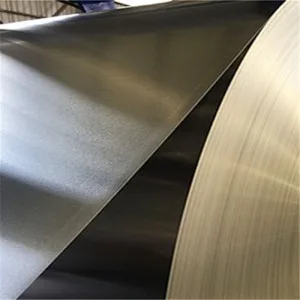
Buying aluminum sheet metal starts with the part it must become. A sheet for bending, a visible panel and a perforated liner can need different alloys, tempers and surface finishes, even when their dimensions look similar.

If you are sourcing from China, clarify whether you need flat sheet, cut blanks or finished components before approaching a manufacturer. That distinction determines what drawings, tolerances and processing details matter.

Related Products

Match aluminum sheet to the finished part

Sheet selection criteria

Compare aluminum sheet options by alloy and temper, base-metal thickness, finish and the work needed after supply. The right combination depends on whether the sheet will be formed, displayed or used as a flat component.

Criterion What To Check Why It Matters Buyer Tip
Alloy and temper Match the specified alloy and temper to the forming, strength and corrosion needs of the part. A sheet that bends easily may not provide the stiffness the finished part needs. Send the part drawing and ask which alloy and temper they would quote.
Thickness and tolerance State thickness in millimeters or inches and confirm the acceptable tolerance; do not rely on gauge alone. Thickness variation can affect fit, weight and forming. Ask what thickness tolerance applies to the quoted sheet.
Surface condition Specify whether the sheet will be visible, painted, anodized or used as supplied. A finish acceptable for a hidden part may show scratches or color variation on an exposed panel. Ask how the manufacturer defines and protects the required surface.
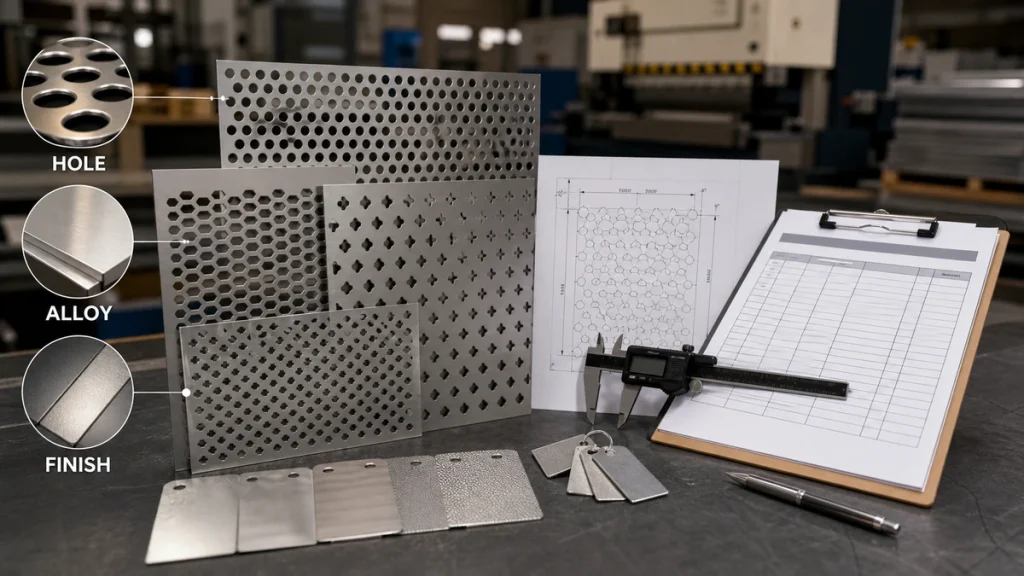
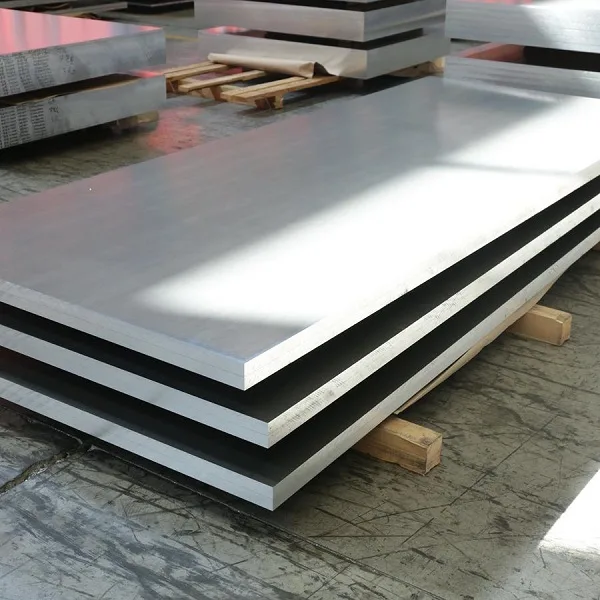
Sheet size and processing Compare the required sheet dimensions with any cutting, perforating or other processing in the quote. Cutting method and edge condition can affect assembly and material waste. Ask whether the quote covers full sheets or parts cut to your drawing.
Production responsibility For suppliers in China, clarify which factory makes the sheet and who performs any finishing or cutting. Knowing who controls each step makes it easier to resolve specification questions or defects. Ask who will verify the finished sheet against your order requirements.

Decide on material, finish and processing scope

Alloy and temper affect how a sheet forms and holds its shape; a finish addresses a different need. An anodized or reflective surface may suit a visible part, but it does not replace a material choice suited to bending or forming. Specify the base-metal thickness separately from any coating, and state which face must remain free of handling marks.

Also distinguish a sheet manufacturer from suppliers that stock or arrange processed material. Either may fit an order, but confirm who will cut, finish or inspect the sheet if those steps are part of your requirement.

Start with the application and the next operation. For a formed part, provide the bend or forming drawing and identify any critical surfaces. For a flat panel, focus on flatness, edge condition and visible-face requirements. Choosing on thickness alone can leave a material that is difficult to form or unsuitable for the intended appearance.

Give thickness in a stated unit rather than relying only on gauge, and distinguish sheet size from finished blank size. If you need perforations, include the hole pattern, margins and orientation; those details affect the usable area as much as the outside dimensions.

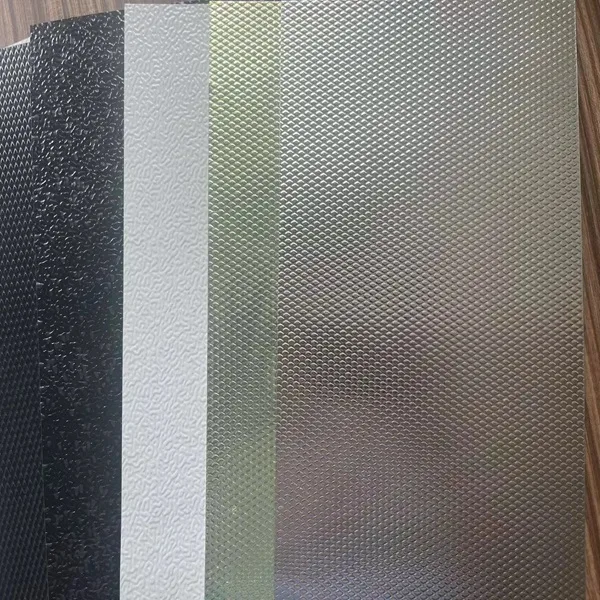
Match the finish to service conditions. Bare, embossed, reflective and anodized sheet raise different questions about appearance, cleaning and subsequent forming. If a finish is essential, agree on an acceptable sample or description before treating a finish name as a complete specification.

Before placing an order with a factory or intermediary, ask which operations they will perform and which they will arrange elsewhere. Send a drawing or part description, the intended use and the required finish to SUZHOU TOP METAL MATERIALS CO.,LIMITED, and ask what material options and processing scope it can offer.


Criteria Importance Description Example Options
Alloy and temper Critical when the sheet must be formed or retain a particular shape. Compare formability and the finished part’s needs before selecting a material designation. A bent enclosure and a flat cover may call for different tempers.
Thickness and dimensional requirements Important wherever fit, weight or assembly clearance is sensitive. Specify base-metal thickness, sheet or blank dimensions, and the tolerances that affect assembly. A cut blank needs finished dimensions; stock sheet dimensions alone do not define the part.
Surface condition and finish Especially important for exposed faces and parts that will be finished or formed later. Distinguish bare, textured and finished surfaces, and identify the face whose appearance matters. A visible cover may need an agreed appearance sample, while a concealed bracket may not.
Processing responsibility Important when the order includes more than flat sheet. Confirm whether the factory will supply sheet, cut blanks or further-processed parts, and who is responsible for each inspection step. If another party performs perforation, agree who checks the hole pattern against the drawing.

Product Selection

Related Options

For a visible formed panel, formability and surface condition both matter: a finish that looks right on a flat sample may not suit the planned bends. Check the material and finishing sequence against the part drawing before settling on a sheet.

Blog Articles / Reviews

Frequently Asked Questions

What matters most if the sheet will be bent into an enclosure?

Select the alloy and temper for the forming operation, not just the finished part’s appearance. Share the bend drawing and identify visible faces so the material and surface condition can be assessed together.

Should a visible part be formed before or after finishing?

The sequence depends on the finish and the bends. Forming a prefinished sheet can affect its appearance, while finishing a formed part may call for different handling. Ask the manufacturer to review the drawing and proposed sequence before approving a flat sample.

Is a gauge number enough to specify thickness?

No. State the required base-metal thickness in millimeters or inches and identify the tolerance that matters to the part. If the sheet is coated, specify the coating separately rather than treating it as part of the metal thickness.

Why does a perforated panel need more detail than its outside dimensions?

Hole size, spacing, margins and pattern orientation determine the open area and where the panel can be fastened or cut. Provide the finished-part drawing rather than assuming any sheet with the same outer dimensions will fit.

What should buyers in China confirm before approving a sample?

Agree on which characteristics the sample represents, such as surface appearance, forming behavior or edge quality, and how production pieces will be checked against it. Ask suppliers which material identification and inspection information they can provide for the order.

Leave Your Message

Send the part drawing or intended application, the required thickness and size, and any finish or forming requirements. Ask which material and processing options are available.