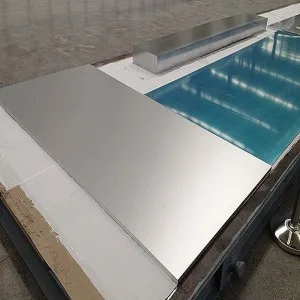
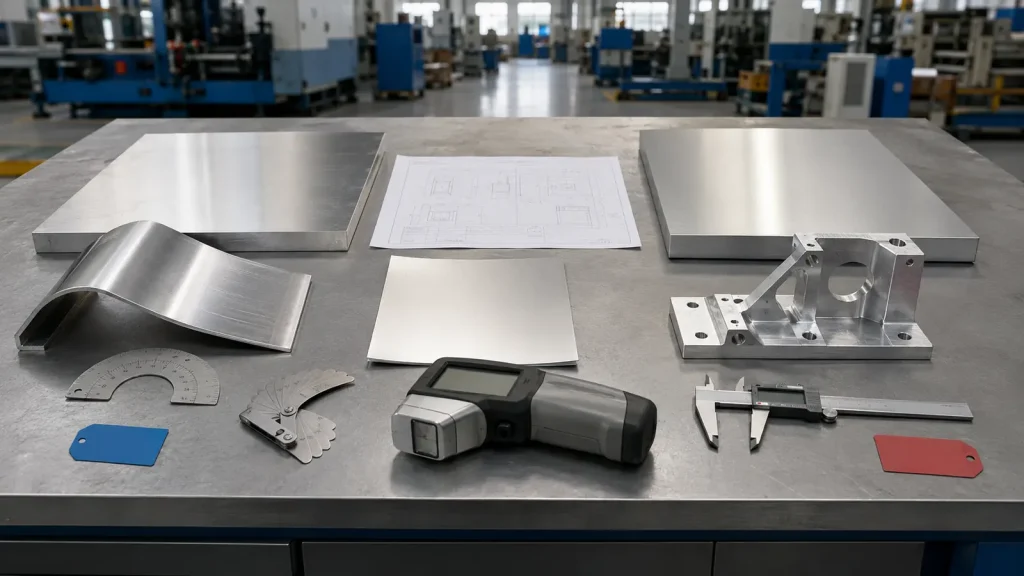
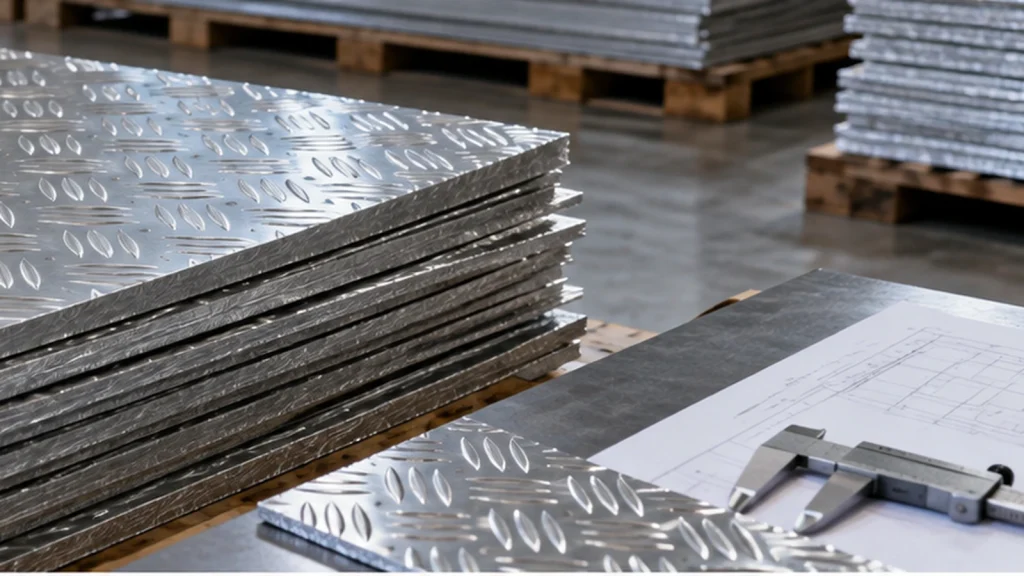
China Aluminum Sheet P5 Negotiation Manufacturer, Factory & Suppliers should be evaluated by specification match, available custom options, sample confirmation process, and communication quality. For OEM use, the best starting point is not only price, but whether the sheet can meet the intended processing and end-use requirements.
Procurement managers should prepare drawings, size requests, surface expectations, quantity range, and approval steps. This helps the supplier respond with relevant options and reduces delays during quotation, sampling, and order review.
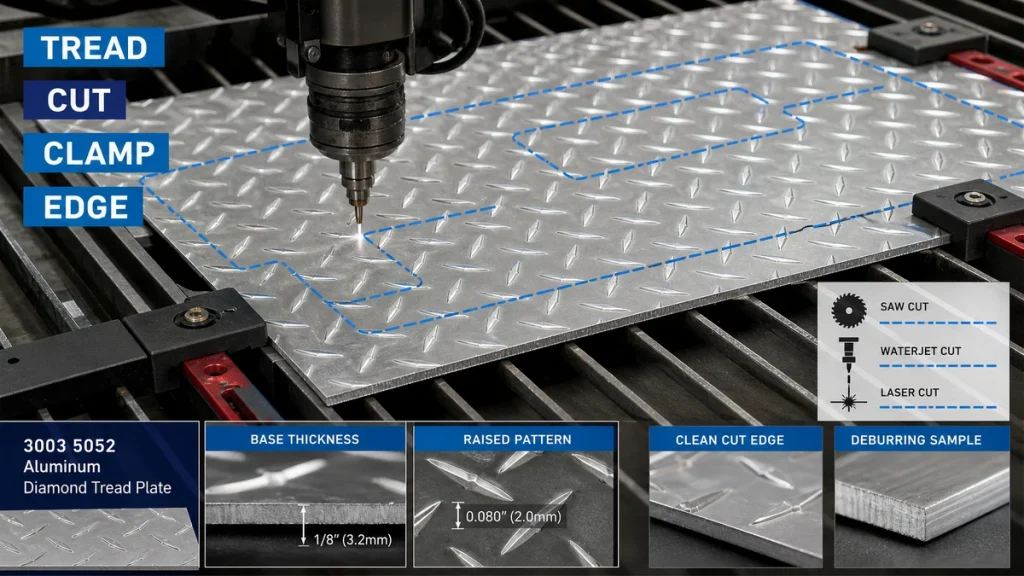
Begin by defining the application clearly. Note whether the aluminum sheet will be cut, bent, stamped, coated, assembled, or used as a visible surface. These details help the supplier recommend a more suitable specification instead of a general product option.
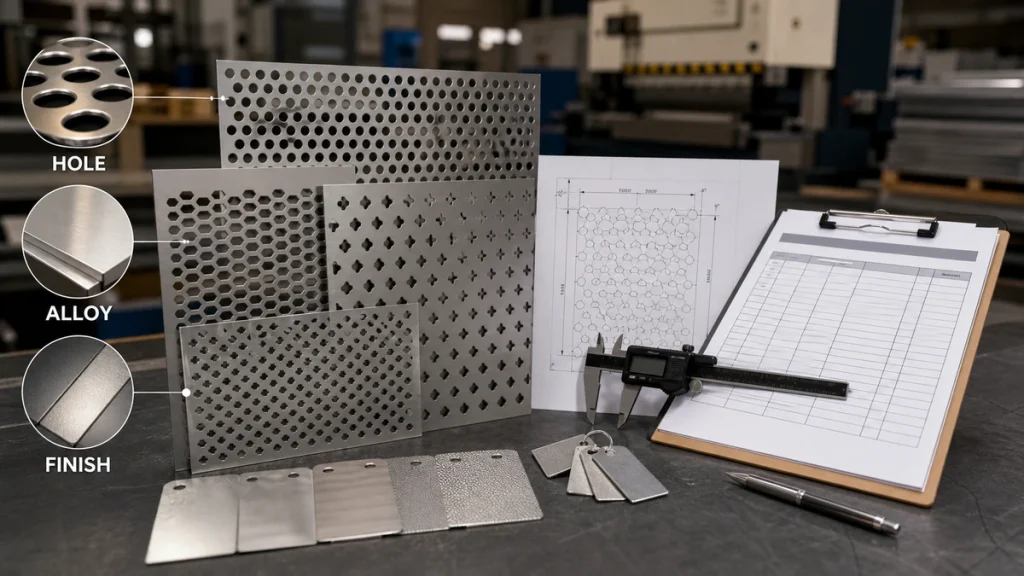
Check the customization scope before confirming a shortlist. Important points may include thickness, width, length, surface finish, tolerance expectations, protective film, packaging method, and any project-specific handling needs. If samples are required, explain how they will be tested and approved.
For RFQ preparation, include estimated order quantity, delivery destination, target schedule, and export documentation needs. If the project is still in development, share the forecast stage and expected decision timeline so the supplier can support sampling and later production planning.
When comparing supplier responses, look for clear technical feedback, practical questions, and consistent follow-up. A useful supplier response should help confirm application fit, quality checks, sample approval steps, and after-sales communication before the purchase order is placed.