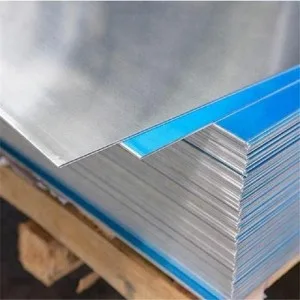
Anodizing changes the surface of the aluminum; paint and powder coating add a separate layer. That distinction matters if parts will be cut or bent after finishing. A cut edge may expose bare aluminum, while forming can affect a coated surface. Agree on the fabrication sequence and the appearance of finished edges before choosing the finish.
Also distinguish base-metal thickness from overall finished thickness. If a drawing controls fit in a slot or assembly, state which thickness the dimension refers to and confirm how the supplier will measure it.
Start with the part’s job. A visible cabinet panel may put color consistency and surface appearance first; a formed cover may need closer attention to alloy, temper and bend requirements. Specify the aluminum grade and temper when the design requires them, rather than choosing by black color alone.
Define the finish in terms someone can inspect: anodized, painted or powder-coated; matte or glossier appearance; and the surfaces that must be black. If parts will sit side by side, ask how color will be matched across sheets or production batches. A physical sample is more useful than a screen image for approving appearance.
Check the fabrication sequence. Cutting after finishing can leave bright edges, and handling can mark visible faces. State whether edges must be black, which face is cosmetic and whether protective film is needed during fabrication and transport. Do not assume a finish on one face also covers the reverse or the edges.
For an inquiry, send the drawing or sheet dimensions, required base-metal thickness, finish preference and planned cutting or bending steps. Ask SUZHOU TOP METAL MATERIALS CO.,LIMITED which finish and material options it can supply for that sequence, and how a sample would be approved before the order.