China 5754 Marine Aluminum Plate Selection Guide | SUZHOU TOP METAL MATERIALS CO.,LIMITED

Sourcing 5754 Marine Aluminum Plate from China

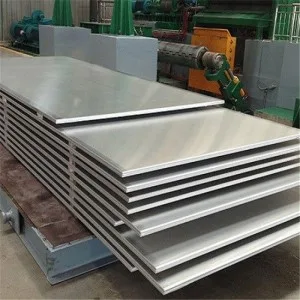
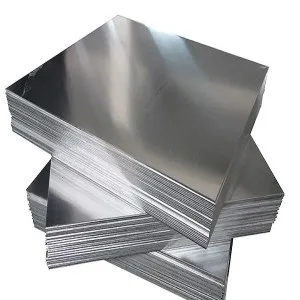
For a marine panel or enclosure made from 5754 aluminum plate, the key decision is not just the alloy. Temper, thickness and fabrication method determine whether the plate can be formed, welded and used as intended. Buyers sourcing from China should specify those details alongside the marine application.

Related Products

Match 5754 plate to the part

Plate selection

Compare 5754 plate options by temper, thickness, size tolerance and surface condition, then check each against the part’s forming, welding and fit requirements.

Criterion What To Check Why It Matters Buyer Tip
Temper for forming Compare the specified temper with the bends and formed shapes on the drawing. A temper suited to forming may not provide the same strength as a harder option. Ask which temper is proposed for each formed part.
Thickness and plate size Confirm the required thickness, cut dimensions and tolerances against the fabrication drawing. A nominally matching plate can still cause fit or cutting problems. Send the drawing and identify dimensions that cannot be trimmed on site.
Marine exposure Describe saltwater contact, splash exposure and contact with other metals. Corrosion performance depends partly on the installation, not just the alloy. Ask how exposed edges and joints should be accounted for in the material specification.
Welding and fabrication Identify welded joints, bend locations and any required post-fabrication finish. Joining and forming plans affect the suitable temper and finished-part requirements. Share the fabrication plan before confirming the plate specification.
Grade documentation Ask what records will identify the supplied plate as 5754 and link it to the shipment. Traceability matters when the marine project requires material review or approval. State any project-specific inspection or classification document requirements before ordering from China.

Temper, fabrication and marine requirements

5754 is a non-heat-treatable aluminum-magnesium alloy valued for corrosion resistance and formability. It may suit panels and fabricated components, but it is not interchangeable with every marine aluminum grade. If a part carries significant structural loads, ask the designer to confirm the required strength and whether 5754 is appropriate; an alloy such as 5083 may be considered where higher strength is needed.

Temper matters as much as alloy. A harder temper can offer greater strength in the supplied plate but may be less suitable for tight forming. Welding can also change properties near the joint, so a design based on supplied-plate strength alone may be misleading.

Start with the part’s job: a formed cover, flat panel and welded structural member place different demands on plate. Confirm the alloy and temper on the drawing rather than specifying only “marine grade,” which does not define the mechanical properties your fabricator needs.

Match thickness and plate size to the finished part and cutting plan. Ask how thickness tolerance and flatness will be specified, especially for large visible panels or parts that must fit a frame. Ordering by nominal thickness alone can leave an avoidable fit problem.

Identify the fabrication steps before choosing a temper. Tight bends, extensive forming and welded joints can change the best choice. For exposed surfaces, also agree on the required finish and handling protection; corrosion resistance does not prevent transit scratches or surface marks.

For a China purchase, confirm the applicable material standard, inspection documentation and any project-specific marine approval before ordering. Send SUZHOU TOP METAL MATERIALS CO.,LIMITED a drawing or cut list and ask which specified temper, dimensions and documentation it can supply.

Criteria Importance Description Example Options
Temper and forming Decisive for parts with bends or shaping Compare the specified temper with the forming operations; a stronger supplied temper can limit bendability. A folded cover and an unbent panel may call for different temper choices.
Alloy and load requirements Critical where the part carries structural loads Compare 5754 with alternatives against the required properties, including the effect of welded joints. A loaded support needs a design check that a non-structural enclosure may not.
Seawater exposure and assembly Important for long-term service Consider drainage, crevices and contact with other metals as well as the plate’s corrosion resistance. A panel joined to dissimilar-metal fasteners needs attention to the joint design.
Dimensions and surface condition Especially important for large or visible parts Agree on thickness tolerance, flatness, cut size and acceptable surface condition for the finished application. A frame-mounted panel may need tighter fit control than a part trimmed during fabrication.
Inspection and documentation Project-dependent; confirm before purchase Separate material inspection documents from any additional approval the project requires. A buyer can request the specified material standard and ask what inspection records and project documents are available.

Blog Articles / Reviews

Frequently Asked Questions

Is 5754 suitable for a component exposed to seawater?

5754 has good corrosion resistance, but suitability depends on the component’s design and exposure. Trapped saltwater, contact with dissimilar metals and poorly drained joints still need attention; confirm the service conditions with the designer.

Should I consider 5052 instead?

5052 is another corrosion-resistant aluminum alloy worth comparing for formed parts. Choose against the drawing’s required mechanical properties, bend requirements and available dimensions rather than treating the two alloys as direct substitutes.

Can 5754 be heat-treated to increase strength after fabrication?

No. 5754 is a non-heat-treatable alloy; its temper reflects processing such as work hardening, not a strengthening heat treatment. Do not assume a welded part retains the same properties throughout as the supplied plate.

What matters most for a large visible panel?

Check flatness, thickness tolerance and surface condition alongside the alloy and temper. A plate can meet its material designation yet still require extra work to fit a frame or achieve the intended appearance.

Does a material certificate establish marine approval?

Not necessarily. A material certificate documents stated material details and inspection results, while a project may call for separate approval or inspection. State the required documents in the inquiry and ask what can be provided for the proposed plate.

Leave Your Message

Send the intended marine application, required thickness and plate or cut sizes, and any specified temper or documentation requirements so the team can check the inquiry.