Sourcing Alloy Aluminum Sheets in China: Manufacturer, Factory and Supplier Guide | SUZHOU TOP METAL MATERIALS CO.,LIMITED

Sourcing Alloy Aluminum Sheets in China: Manufacturer, Factory and Supplier Guide

For project engineers comparing China Alloy Aluminum Sheet Manufacturer, Factory & Suppliers, this page helps turn an early search into a clearer technical inquiry. It focuses on custom specification confirmation, related product review, and the questions that reduce sourcing risk before quotation.

Use the information here to align alloy selection, sheet size, finish, tolerance needs, packaging, and branding expectations. A structured request helps SUZHOU TOP METAL MATERIALS CO.,LIMITED understand your application and support project consistency from sample stage to repeat orders.

Hot Selling Product

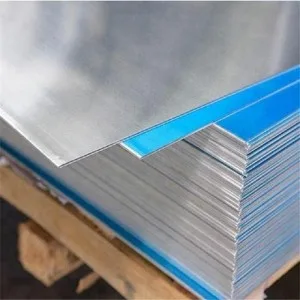
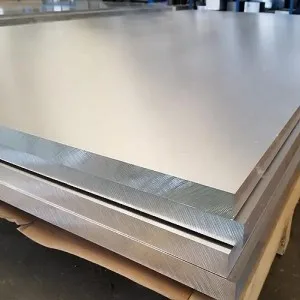
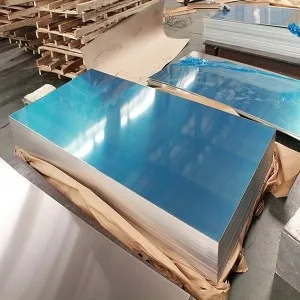
3003 aluminum sheet supplier from China

3003 aluminum sheet supplier from China

The 3003-aluminum sheet is a pure aluminum that is used commercially. It’s moderately strong and can resist corrosion. Although it’s not heat treatable, it can be easily welded. It can also be formed …

Read More

How To Compare china alloy aluminum sheet supplier Options

Alloy Aluminum Sheet Product Guide

The related product list helps you compare China Alloy Aluminum Sheet Manufacturer, Factory & Suppliers by actual product direction rather than keyword wording alone. Check whether each product supports custom specification confirmation, then use the table below to prepare a clearer RFQ.

Criterion What To Check Why It Matters Buyer Tip
Alloy grade Confirm grade and temper Avoids fit issues Share load and forming needs
Thickness tolerance List required range Keeps project consistency Add drawing or spec sheet
Surface finish Define finish standard Reduces sample mismatch Request photos and samples
Customization scope Size, coating, branding Supports project planning Lock specs before bulk order
Quality records Ask inspection items Improves buyer control Review test and QC notes

How To Choose china alloy aluminum sheet supplier Supplier

China Alloy Aluminum Sheet Manufacturer, Factory & Suppliers are typically evaluated by alloy grade, thickness range, surface condition, cutting options, quality checks, and communication during custom projects. For B2B buyers, the best first step is to share the application, drawing or reference sample, quantity estimate, and delivery destination.

This page is designed for buyers who need practical confirmation rather than a generic catalog. It helps you prepare specification questions, compare related options, and discuss sample approval, inspection points, branding needs, and after-sales support before placing an order.

Start with the application. Confirm whether the alloy aluminum sheet will be used for fabrication, panels, equipment parts, decoration, transport components, or another project requirement. Share working conditions, appearance expectations, forming needs, and any standards or drawings that affect material selection.

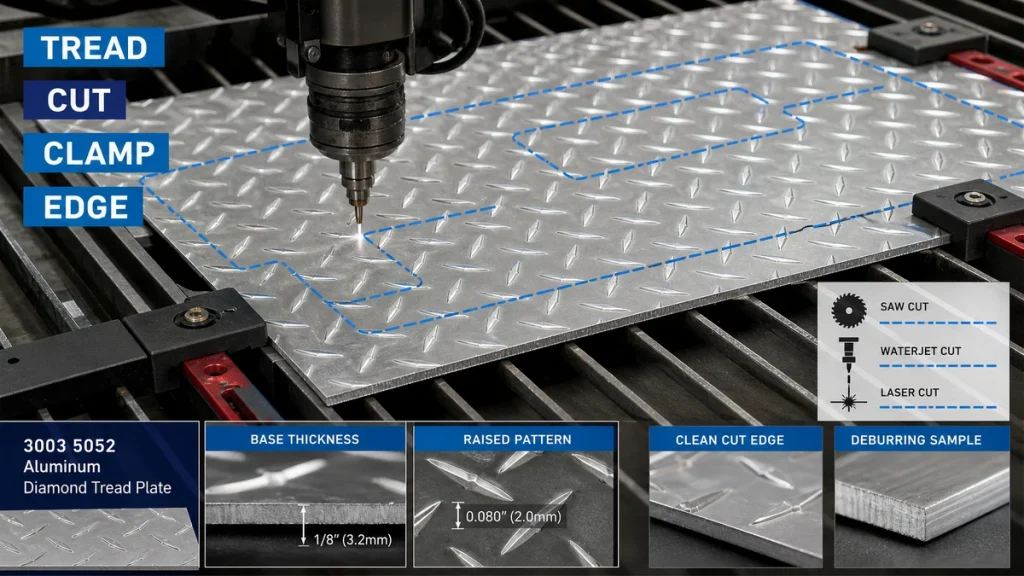
Build a specification checklist before requesting price. Include alloy grade, temper, thickness, width, length, surface finish, tolerance requirements, protective film, cutting method, packing method, and order quantity. If brand customization is needed, provide logo, label, carton, pallet, or documentation requirements early.

For sample confirmation, ask what sample size is available, how technical details will be marked, and which quality checks can be reviewed before mass production. Project engineers should also clarify inspection records, photos, packaging confirmation, and how changes are handled if the sample does not fully match the target use.

When shortlisting suppliers, compare how clearly each reply addresses your project. A useful supplier response should ask relevant follow-up questions, confirm application fit, explain available custom options, and support consistent communication through quotation, sample approval, production, and after-sales discussion.

Criteria Importance Description Example Options
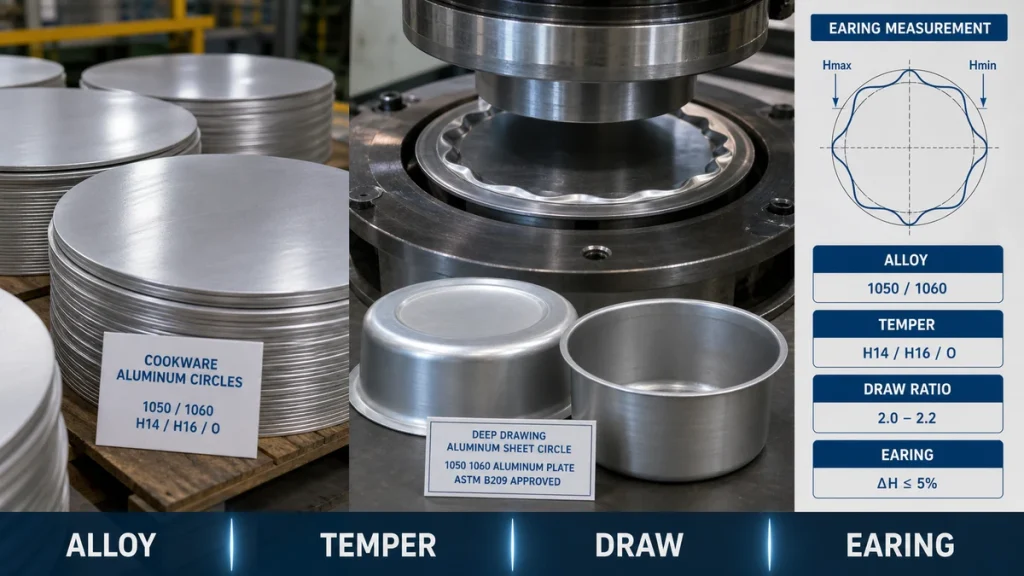
Alloy and temper High Defines strength and processing fit 5052-H32 or 6061-T6
Tolerance control High Supports drawing compliance Thickness and width limits
Surface requirement Medium Affects appearance and coating Mill finish or protected surface
Custom branding Medium Helps project identification Labels, marks, document format
Application review High Reduces material mismatch risk Forming, welding, machining use

Top Product Matches

Recommended Products

Top product matches should be reviewed by fit, specification clarity, customization readiness, and how well they support buyer risk reduction. Use these factors to shortlist practical options before contacting the supplier.

Top Selling Product Selection Factors

Spec clarity Key for custom sheets
Sample approval Reduces order risk
Tolerance control Supports fit checks
Finish matching Helps visual consistency
After-sales response Useful for issue handling

Blog Articles / Reviews

Recent buyer-style feedback can help you think through common sourcing situations, such as organizing sample questions, confirming application details, shortlisting related products, and planning a custom aluminum sheet project.

Morgan L. Blake August 7, 2026
I used this china alloy aluminum sheet supplier page to separate grade, thickness, and surface questions before sending a more useful sourcing inquiry.
Dana P. Wallace July 29, 2026
I found the china alloy aluminum sheet supplier content helpful for explaining our intended parts and avoiding vague material requests with potential vendors.
Elliot N. Carter July 18, 2026
I used this page to make my china alloy aluminum sheet supplier checklist more practical, especially around alloy choice, sheet dimensions, and finish expectations.
Priya S. Menon August 1, 2026
I liked how the china alloy aluminum sheet supplier topic kept my review focused on material requirements instead of sending a broad, unfocused inquiry.

Frequently Asked Questions

How should a project engineer confirm samples with a China Alloy Aluminum Sheet Manufacturer, Factory & Suppliers?

Share the target alloy, temper, thickness, width, surface requirement, and intended forming or machining process. Sample confirmation should compare appearance, tolerance, flatness, and workability against the project drawing before moving to batch discussion.

What technical details should be prepared before requesting alloy aluminum sheet customization?

Prepare alloy grade, temper, sheet size, thickness tolerance, surface finish, edge condition, protective film needs, and downstream process details. Clear technical inputs help reduce misunderstanding between engineering requirements and production communication.

Which quality checks are useful when reviewing alloy aluminum sheet for project consistency?

Project teams can review dimensional tolerance, surface defects, flatness, hardness range, and packaging condition. For critical applications, match inspection points with drawings or agreed specifications to keep repeated orders consistent.

How can after-sales communication reduce risk when sourcing from China Alloy Aluminum Sheet Manufacturer, Factory & Suppliers?

After-sales communication should clarify how nonconforming dimensions, surface concerns, or application feedback will be reviewed. Keeping drawings, photos, batch references, and inspection notes organized helps both sides analyze issues more efficiently.

How do buyers confirm whether alloy aluminum sheet fits a specific application?

Application fit depends on strength, corrosion environment, forming method, welding or machining needs, and final surface treatment. Engineers should connect application conditions with alloy and temper selection rather than choosing by thickness alone.

What custom options can be discussed for brand consistency in alloy aluminum sheet projects?

Custom discussions may include sheet dimensions, surface finish, protective film, packaging marks, documentation format, and repeat specification records. Aligning these details supports brand consistency across multiple project stages and related aluminum products.

Leave Your Message

Send your alloy grade, thickness, size, finish, quantity, destination, sample needs, and any branding or packaging requirements. Clear technical details help the team respond with a more accurate project discussion.