China Led Strip Lights Aluminum Profile Manufacturer Selection Guide | SUZHOU TOP METAL MATERIALS CO.,LIMITED

Aluminum Profiles for LED Strip Lights from China

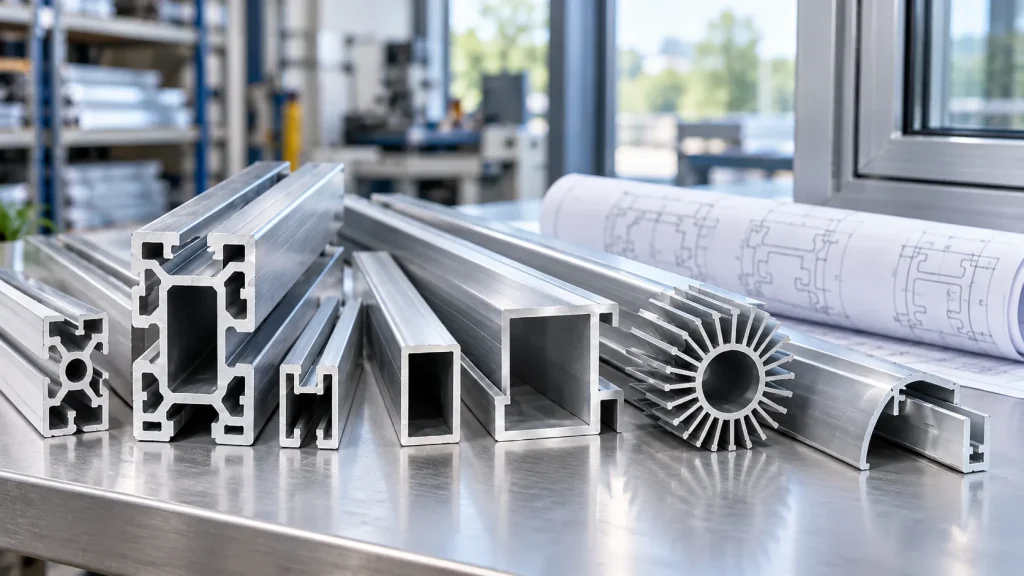
An aluminum profile for LED strip lights holds the strip in place, provides a surface for heat to spread and can support a diffuser for a more even-looking line of light. The right shape depends on where it will sit: under a cabinet, recessed into joinery, mounted on a wall or exposed to view.

If you are buying from a manufacturer in China, start with the strip and the installation space rather than the profile’s appearance alone. Check the strip’s width, the available mounting depth and how the finished light should look.

Related Products

Match the profile to the strip and mounting space

Profile selection

Compare profile options by mounting style, internal strip clearance, diffuser fit, visible finish and access for installation or maintenance. Confirm the exact cross-section and included parts before approving a choice.

Criterion What To Check Why It Matters Buyer Tip
Strip and channel fit Compare the strip’s full width, including connectors, with the profile’s internal width and usable depth. A channel that fits the bare strip may not fit its connectors or leave room for the diffuser. Send the strip and connector dimensions and ask for a matching profile drawing.
Heat transfer Review the profile’s base thickness and how the strip contacts the aluminum. A slim decorative channel may not suit a higher-power strip, especially in an enclosed installation. Share the strip’s power per meter and installation location; ask which profile is appropriate.
Diffuser and light appearance Compare clear and frosted covers against the strip’s LED spacing and the desired appearance. A frosted cover can soften visible LED dots but also reduces light output. Ask for a cover sample to test with the actual strip before choosing.
Mounting and exposure Confirm whether the section is recessed, surface-mounted or corner-mounted, and review the conditions it will face. Mounting style changes the visible finish, installation space and access for maintenance. Send a section drawing of the installation and ask which mounting parts are included.
Lengths and end details Verify cut lengths, cutting tolerances, end caps and cable-exit options. Small differences at joints and ends become noticeable across a continuous light run. Provide a run layout and ask how cuts, joints and cable exits would be supplied.

Check fit, light appearance and installation details

First, distinguish the aluminum profile from a complete LED light. A profile may be supplied as an extrusion alone, while a finished assembly also needs a compatible strip, diffuser, end caps, mounting parts and electrical components. Confirm which items are included before comparing offers.

Diffuser depth is another practical difference. A shallow profile may fit a tight space but leave individual LEDs visible; a deeper channel can improve visual blending but needs more clearance. Ask to assess the proposed profile and diffuser with your intended strip if a continuous line of light matters.

Match the cross-section to the installation. Surface-mounted profiles suit accessible faces; recessed profiles need a suitable cutout and may use a flange to cover its edges. For corners, check the direction the light must face. A drawing of the installation is more useful than choosing by profile width alone.

Check the fit of the whole assembly. The channel must accommodate the LED strip and its connections, while the diffuser and end caps need to fit the same profile. If the strip produces substantial heat or runs for long periods, ask how the proposed profile is intended to manage heat in that installation; do not assume every extrusion performs alike.

Specify the visible finish and the practical cut requirements separately. Anodized or coated surfaces can affect appearance, while cut lengths, end treatments and mounting methods affect installation. A common mistake is approving a cross-section without checking how installers will join lengths, route cables or access the strip later.

For a useful response, send a strip datasheet or dimensions, a cross-section or photo of the mounting area, and the required finished lengths. Ask SUZHOU TOP METAL MATERIALS CO.,LIMITED whether it can supply the proposed profile, matching accessories and any required cutting or finish.


Criteria Importance Description Example Options
Mounting style Determines how the profile fits the installation. Compare surface-mounted, recessed and corner shapes against the available space and intended light direction. A shelf cutout may suit a recessed shape; an exposed cabinet underside may call for a surface-mounted one.
Strip and connection clearance Essential for assembling the selected strip. Check internal width and space at feed points, not just the profile’s outside dimensions. A strip may fit the channel while its connector needs a different cable-entry arrangement.
Light appearance Matters most where the illuminated line is visible. Profile depth and diffuser choice affect how clearly individual LEDs can be seen. Compare a shallow channel and a deeper channel using the intended strip and diffuser.
Supply scope Prevents unlike offers from being compared as equivalent. Check whether the offer covers extrusions only or also includes compatible diffusers, end caps, mounting parts, finishing and cutting. One offer may cover cut aluminum lengths; another may include the matching covers and mounting clips.

Product Selection

Related Options

For under-cabinet task lighting, clearance and light appearance often settle the choice: a compact surface profile may fit neatly, but the strip-and-diffuser combination must deliver the intended line of light without interfering with cabinet hardware.

Blog Articles / Reviews

What Is an Aluminum Profile?

What Is an Aluminum Profile?

An aluminum profile is an aluminum or aluminum-alloy product with a defined cross-sectional shape that continues along its length. In construction and industrial supply, the term commonly refers to an…

Frequently Asked Questions

Can the same profile work under a cabinet and in a recessed shelf?

Not necessarily. A surface-mounted profile attaches to an exposed face, while a recessed profile needs a cutout that accommodates its body and any flange. Check both locations against the proposed cross-section before ordering one profile for both.

Is an aluminum profile necessary, or can the LED strip be mounted directly?

Direct mounting avoids the extra channel and diffuser, but it leaves the strip more exposed and may make individual LEDs more noticeable. A profile is useful when the installation needs a defined mounting surface, a finished edge or a diffuser.

Does a diffuser make the assembled light waterproof?

No. A diffuser changes the light’s appearance and helps cover the strip; it does not, by itself, seal the profile. For a damp or exposed location, ask whether the complete proposed assembly is suitable for that environment.

What should I confirm before approving a cut-length order?

Confirm whether lengths refer to the aluminum extrusion alone or to an assembly with diffuser and end caps. Share any joint locations and cable-exit positions, and ask how the proposed cuts and supplied parts will accommodate them.

Leave Your Message

Send the LED strip width or datasheet, the mounting location and available space, and the required profile lengths so the proposed fit and supply scope can be checked.