

1100 1060 alloy qualicoat aluminum perforated sheet
The qualicoated aluminum perforated sheet is from a certified powder coating applied to the aluminum surface, meeting strict international standards, and it provides…
Read MoreCNC Beds for Aluminum Sheet Routing in China: Manufacturer, Factory and Supplier Guide | SUZHOU TOP METAL MATERIALS CO.,LIMITED
For project engineers sourcing a China CNC Bed for Aluminum Sheet Routing Manufacturer, Factory & Suppliers, this page helps turn an early search into a clearer specification discussion. It focuses on practical details that affect application fit, custom options, and project consistency.
Use the products, guides, and inquiry prompts here to reduce sourcing risk before quotation. The goal is to help you prepare drawings, sample questions, branding needs, and quality checkpoints in a format a supplier can respond to accurately.
The qualicoated aluminum perforated sheet is from a certified powder coating applied to the aluminum surface, meeting strict international standards, and it provides…
Read More
3003 Aluminum Sheet Features ♦ Alloy: 3003 ♦ Temper: H14, H16, H18, H22, H24, H26, O ♦ Thickness(mm):0.25-10 ♦ Width(mm):800-2200 ♦ This series aluminum sheet is anticorrosive and its production techn…
Read More
Mill Finish Aluminum Sheet Circle 1060 1070 1100 3003 Aluminum Plate For Cookware Aluminum circle 1050 1060 1070 3003 etc is mainly used in making cookware, like non-stick pan, pressure cooker, hardwa…
Read More
A stucco embossed finish is designed to have superior durability, reduce glare and reflectivity, and also to give aluminum a decorative finish. The stucco aluminum sheet is also a finish that can stan…
Read More
Aluminum sheet plate is widely used, including various industries in our society. Ordinary aluminum alloy plate through some simple processing, can play a more extensive role….
Read More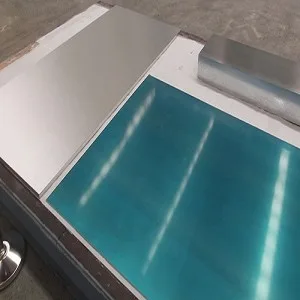
High strength 5005 Aluminium Plate Alloy 2mm 3mm 4mm for Architectural applications 5005 aluminium alloy plate is an aluminium alloy with good resistance to atmospheric corrosion. It is used in decora…
Read MoreCNC Bed Specification Guide
The related product list helps you compare China CNC Bed for Aluminum Sheet Routing Manufacturer, Factory & Suppliers by actual product direction rather than keyword wording alone. Check whether each product supports custom specification confirmation, then use the table below to prepare a clearer RFQ.
| Criterion | What To Check | Why It Matters | Buyer Tip |
|---|---|---|---|
| Sheet size range | Confirm max aluminum panel dimensions | Avoids bed travel mismatch | Share drawing and tolerance |
| Routing load | Match bed support to cut depth | Reduces vibration risk | List tool, speed, pass depth |
| Vacuum or clamping | Define holding method early | Protects sheet stability | Send sample fixture needs |
| Brand customization | Confirm labeling and interface options | Keeps project consistency | Approve mockup before build |
| Inspection plan | Set sample and QC checkpoints | Limits acceptance disputes | Use a signed checklist |
A CNC bed for aluminum sheet routing should be selected by matching the machine bed structure, working size, surface requirements, loading method, and routing application to your project conditions. For B2B sourcing, the best first step is to share the intended aluminum sheet size, thickness range, routing process, and any custom branding or integration needs.
If you are comparing a China CNC Bed for Aluminum Sheet Routing Manufacturer, Factory & Suppliers, ask for specification confirmation, sample or reference details where available, inspection points, packaging method, and after-sales communication process. Clear technical information helps reduce approval delays and quotation gaps.
Start with a specification checklist. Confirm the working area, bed flatness expectations, material structure, surface finish, mounting requirements, and compatibility with your routing workflow. If the CNC bed is part of a larger project, include related machine dimensions, fixture plans, and aluminum sheet handling requirements.
For custom projects, send drawings, sketches, photos, or reference samples early. This helps the supplier check whether standard options are suitable or whether changes are needed for dimensions, reinforcement, positioning, logo use, coating, packaging, or assembly details.
Before requesting a formal quote, define the order quantity, destination, delivery target, required documents, and approval steps. Project engineers should also ask how quality checks are arranged, which dimensions are inspected, and how consistency is maintained between sample confirmation and batch production.
When reviewing supplier replies, look for complete answers rather than fast general pricing only. A reliable sourcing discussion should include technical questions, custom option limits, sample confirmation steps, and after-sales support channels for installation or project follow-up.
| Criteria | Importance | Description | Example Options |
|---|---|---|---|
| Drawing alignment | High | Confirms dimensions and interfaces | CAD with hole map |
| Application match | High | Fits aluminum routing process | Sheet size and depth |
| Clamping design | Medium | Supports stable workholding | T-slot or vacuum |
| Surface requirements | Medium | Affects flatness and wear | Finish and hardness notes |
| Brand customization | Medium | Keeps project identity consistent | Labels and packaging marks |
Recommended Products
Top product matches should be reviewed by fit, specification clarity, customization readiness, and how well they support buyer risk reduction. Use these factors to shortlist practical options before contacting the supplier.






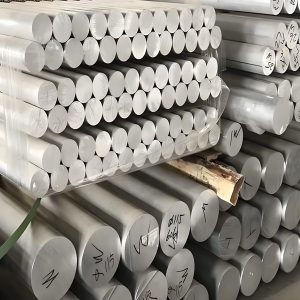
6061-T6 aluminum bar for CNC and structural parts

Is Your Aluminum Bar Causing CNC Turning Runout? Aluminum bar may contribute to CNC turning runout when it is bent, out of round, inconsistent in diameter, damaged near the clamping area, or deformed …

Aluminum sheet flatness should be specified before purchase, especially when the material will be laser cut, punched, bent, machined, laminated, or used as a visible panel. This matters to sheet-metal…
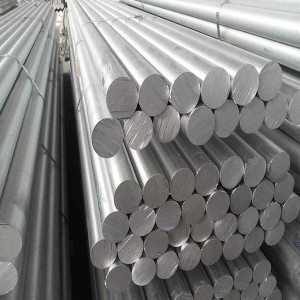
Estimating material weight before shipment planning

When anodized sheet is better than mill finish aluminum
Buyer feedback on this page reflects common sourcing situations such as organizing sample questions, confirming technical details, comparing related products, and preparing a custom project inquiry.
I used the tag page to frame questions about table flatness, clamping approach, and aluminum sheet routing workflow before contacting potential suppliers.
I found the CNC bed for aluminum sheet routing context helpful because it pushed me to describe sheet size, nesting needs, and hold-down expectations clearly.
The page helped me turn a vague sourcing note into a practical brief for China CNC bed options used with aluminum sheet routing jobs.
I appreciated having a focused tag page when comparing manufacturer and factory language around CNC beds intended for consistent aluminum sheet routing.
Confirm bed flatness expectations, aluminum sheet thickness range, routing pattern, vacuum or clamping interface, surface treatment, drawing tolerance notes, and brand marking needs. Clear sample questions reduce mismatch before moving into custom specification review.
Key details include working size, bed structure, slot layout, mounting hole positions, surface hardness needs, coolant or chip removal considerations, and compatibility with existing CNC routers. Providing drawings helps align the design with project requirements.
Ask for inspection points tied to drawings, such as dimensional checks, flatness verification method, surface finish review, hole position confirmation, and packaging protection. These checks create a practical record for internal engineering approval.
Useful questions include how drawing revisions are handled, what installation guidance can be provided, how nonconformity feedback is reviewed, and what technical documents are available. This helps reduce risk during assembly and later maintenance discussions.
Share aluminum grade, sheet size, routing depth, fixture method, chip control needs, and router model. The supplier can then compare bed design, clamping layout, and surface requirements against the intended production process.
Discuss customized dimensions, slot patterns, mounting interfaces, edge design, surface finish, labeling, packaging marks, and documentation format. Aligning these items early supports consistent project identity across equipment, replacement parts, and internal purchasing records.
Send your application details, drawings, size requirements, quantity range, destination, and customization needs. The more specific your inquiry is, the easier it is to confirm fit, quote accurately, and plan the next step.