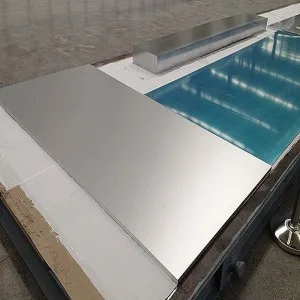
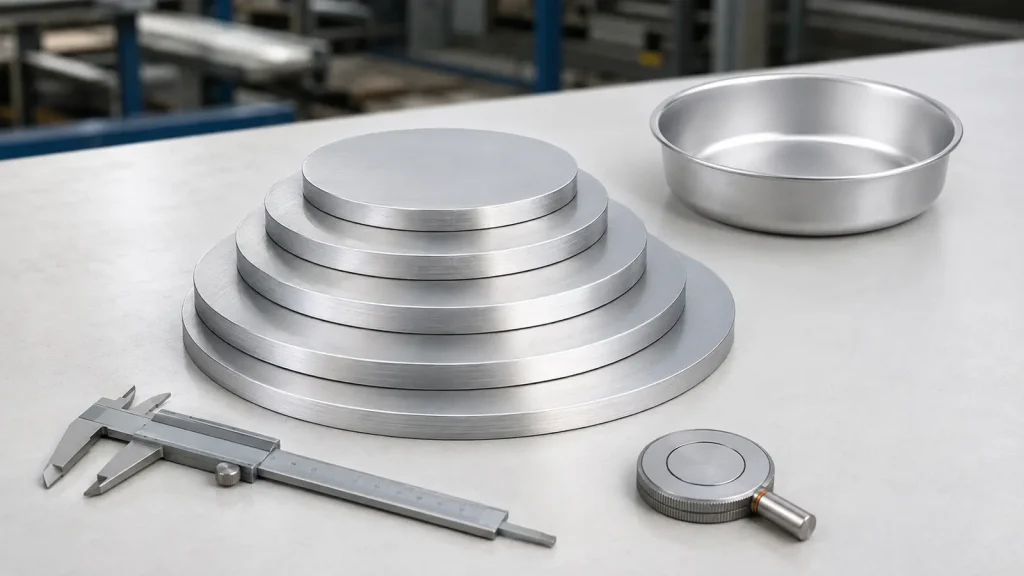
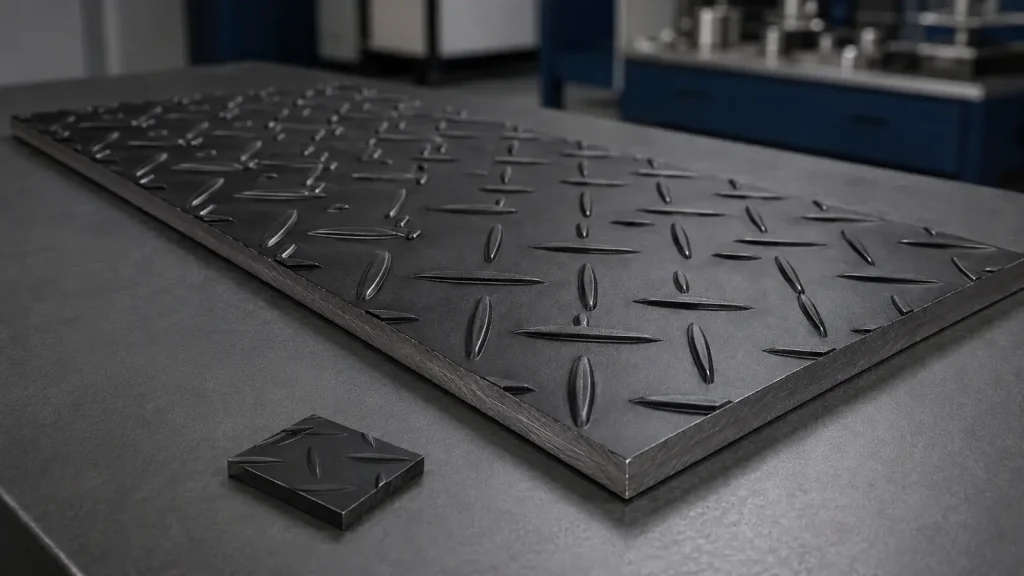
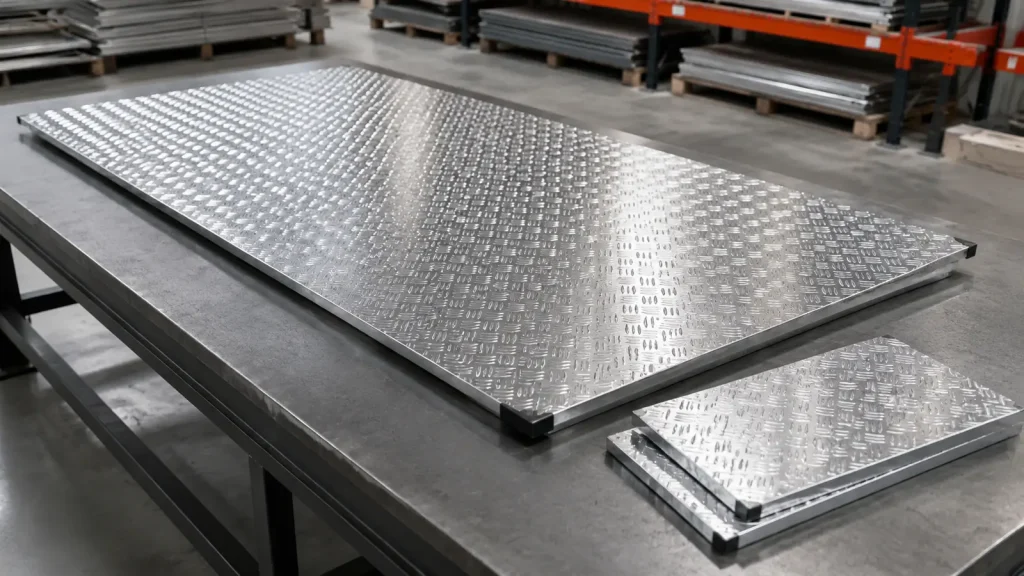
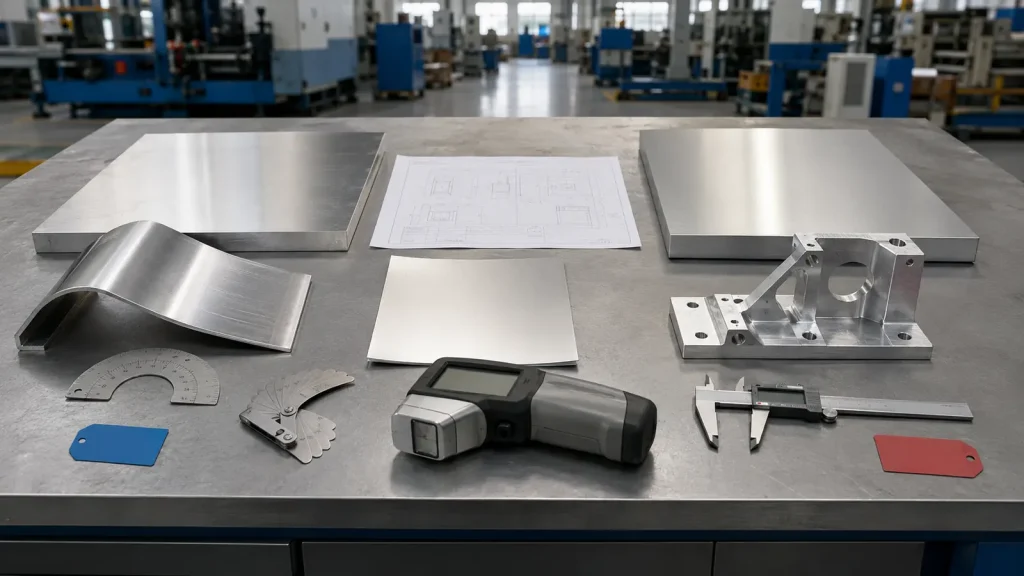
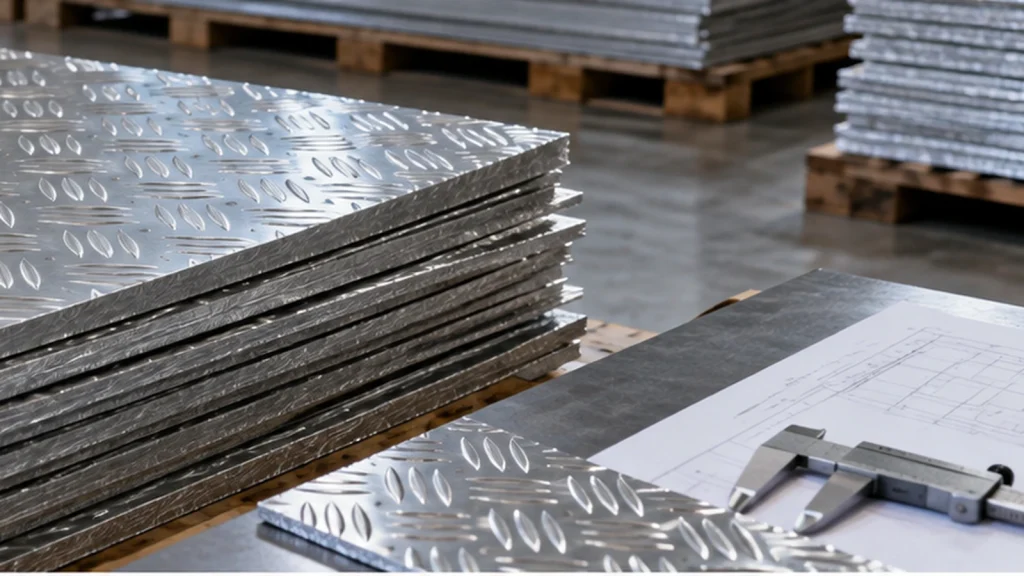
China Custom Thickness Aluminum Plate Sheet Manufacturer, Factory & Suppliers are typically evaluated by thickness capability, alloy options, surface condition, cutting requirements, packaging method, and response quality. For new product line development, the first step is to confirm whether the supplier can match the required specification and provide relevant quality information.
A strong inquiry should include drawings or size ranges, target thickness, material grade if known, sample needs, estimated quantity, destination, and inspection concerns. This helps the supplier quote more accurately and explain any technical limits early.
Begin with the product function. Explain whether the aluminum plate sheet will be used for a prototype, enclosure, panel, tooling component, decorative part, or another application. If the project is still in development, share the required performance goals and any known limits for thickness, flatness, surface, and processing.
Prepare the RFQ around measurable details. Include alloy preference, thickness range, width and length, tolerance expectations, surface finish, edge requirements, quantity range, packaging needs, and delivery destination. If you are comparing related products, ask the supplier to explain the differences between plate, sheet, coil, and processed parts for your use case.
For quality review, request inspection points that match your project risk. Useful topics may include thickness measurement, surface check, dimension check, material documentation, packaging confirmation, and sample approval steps. If samples are needed, confirm whether they represent the same material, finish, and process planned for later orders.
When comparing supplier replies, look for clear technical questions, complete quotation information, and practical after-sales communication. A supplier that identifies missing details can be easier to evaluate than one that only sends a general price list without checking application requirements.