
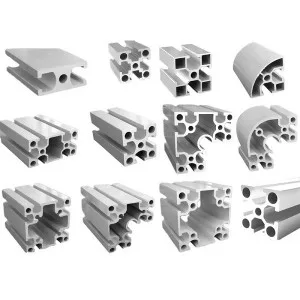
Custom aluminum profile manufacturer
Custom Aluminium profile is widely used in construction, machinery, industry, etc. Aluminium profiles are a great way to add both style and function to your home.
Read MoreDIY 3D Printer Aluminum Profile Sourcing in China: Manufacturers, Factories and Suppliers | SUZHOU TOP METAL MATERIALS CO.,LIMITED
For OEM project planning, a DIY 3D printer frame is not just a profile choice; it affects assembly, tolerance planning, packaging, and later order repeatability. This page helps procurement teams review China DIY 3D Printer Aluminum Profile Manufacturer, Factory & Suppliers with application matching in mind.
Use the product sections, guide notes, and inquiry prompts to build a practical shortlist. Focus on profile dimensions, finish options, cutting or machining needs, sample approval, and how clearly each supplier can support your project requirements.
Custom Aluminium profile is widely used in construction, machinery, industry, etc. Aluminium profiles are a great way to add both style and function to your home.
Read More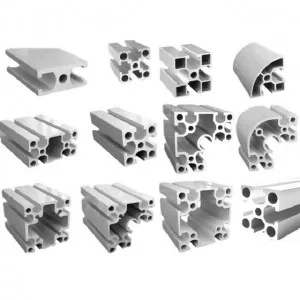
Aluminum profiles are products born from aluminum alloys bar that are transformed into shaped objects through the extrusion process. Extrusion alumium profiles are used in…
Read More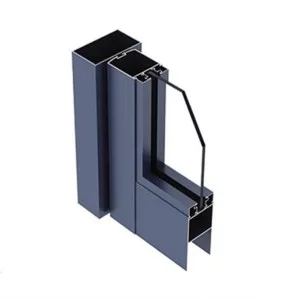
Aluminium extrusion profile for doors and windows is a kind of door and window frame decoration building material made of aluminum alloy as raw material. Its advantages are…
Read More
1050 aluminum strip coil are often used in daily necessities, lighting fixtures, reflectors, decorations, chemical industry containers, heat sinks, signs, electronics, lamps, nameplates, electrical ap…
Read More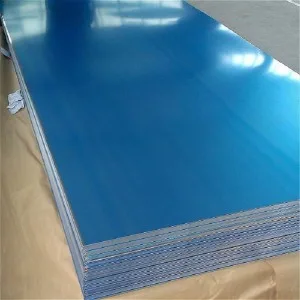
Aluminium 1080A, with the European designation EN AW-1080A is a ‘commercially pure’ alloy, minimum 99.8% Al, available as round bar or wire For the 1080 industrial pure aluminum, with high plast…
Read More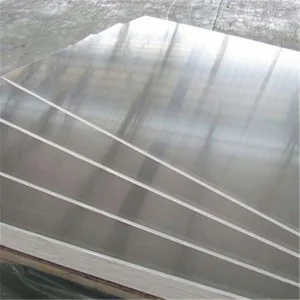
The pattern aluminum plate is also a kind of metal material, and it needs to be protected by scientific methods in daily operation. At the top of the list, regular cleaning, the stains on the exterior…
Read MoreDIY 3D Printer Aluminum Profile Product Guide
The related product list helps you compare China DIY 3D Printer Aluminum Profile Manufacturer, Factory & Suppliers by actual product direction rather than keyword wording alone. Check whether each product supports OEM project planning, then use the table below to prepare a clearer RFQ.
| Criterion | What To Check | Why It Matters | Buyer Tip |
|---|---|---|---|
| Profile series | Match 2020/2040/3030 needs | Fits frame load and layout | Attach printer frame drawing |
| Slot compatibility | Confirm T-slot size and nuts | Avoids assembly mismatch | List fastener standard in RFQ |
| Cutting tolerance | Ask length tolerance range | Impacts squareness and motion | Request sample before bulk |
| Surface finish | Define anodizing color/grade | Supports OEM appearance | Approve finish sample photos |
| Export packing | Review bundles and protection | Reduces transit scratches | Specify labels and carton marks |
If you are sourcing DIY 3D printer aluminum profile from China, start by matching the profile to the printer structure, load needs, assembly method, and expected appearance. A suitable supplier should be able to discuss standard profile options, custom processing scope, packing needs, and sample confirmation before bulk order review.
For a procurement manager, the best inquiry includes drawings or size references, quantity range, surface finish expectations, destination, packaging requirements, and target timeline. This allows the supplier to respond with more relevant product options instead of a general catalog only.
Begin with the application details. For DIY 3D printer aluminum profile, define the frame size, slot type, connector method, cutting length, and any machining requirements such as drilling or tapping. If you are comparing several design versions, separate standard requirements from optional customization so the supplier can quote clearly.
Request samples before confirming an OEM order when dimensions, finish, or assembly accuracy are important. Sample approval should check profile size, surface appearance, cutting quality, machining position, accessory matching, and packaging method. If a sample will be tested in a prototype printer, explain the test purpose when sending feedback.
For quotation preparation, provide estimated order quantity, order frequency, delivery destination, preferred trade terms, packaging style, and whether labels or carton marks are required. These details help suppliers assess production, packing, and export order preparation more accurately.
When comparing supplier options, do not rely only on unit price. Review response detail, customization scope, lead-time explanation, sample handling, and whether the supplier understands related product comparisons such as different profile series, surface finishes, or accessory combinations.
| Criteria | Importance | Description | Example Options |
|---|---|---|---|
| Profile compatibility | High | Matches frame design and accessories | 2020, 2040, slot type |
| Customization scope | High | Covers cutting, drilling, tapping, finish | Cut-to-length with holes |
| Sample approval | High | Verifies fit before batch order | Check slot and tolerance |
| Packaging fit | Medium | Protects surface during export handling | Film, bundle, end cap |
| RFQ clarity | High | Improves quotation accuracy | Drawing plus usage notes |
Recommended Products
Top product matches should be reviewed by fit, specification clarity, customization readiness, and how well they support application matching. Use these factors to shortlist practical options before contacting the supplier.






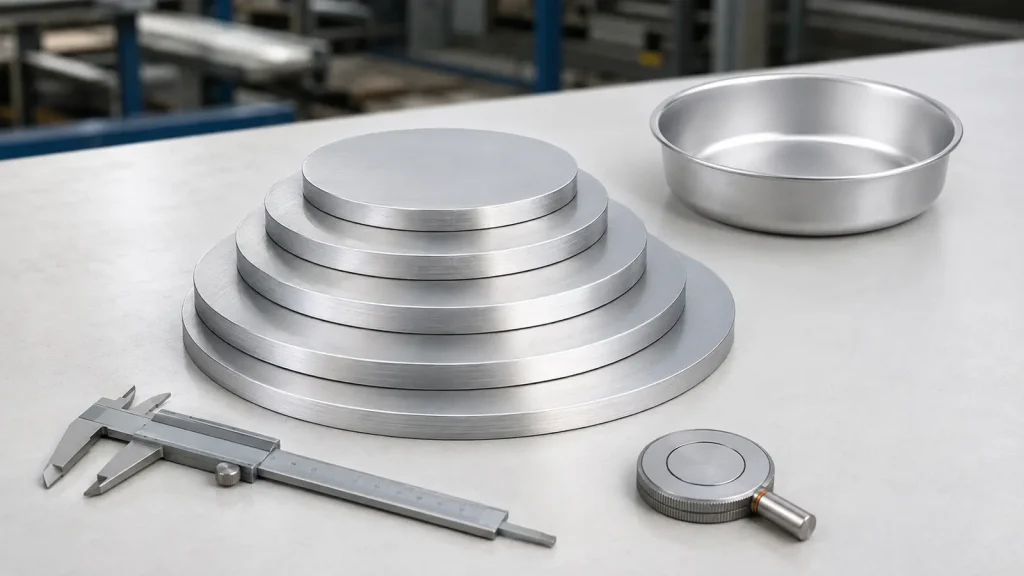
Direct Answer: Buyers should evaluate a versatile aluminum circle plate disc against the finished part and forming route, then confirm alloy, temper, thickness, diameter, dimensional tolerance, edge c…

Direct Answer: Buyers should ask an anodised aluminum sheet supplier China sourcing teams are reviewing to define the base alloy, temper, thickness, sheet size, anodizing sequence, finish, color-contr…
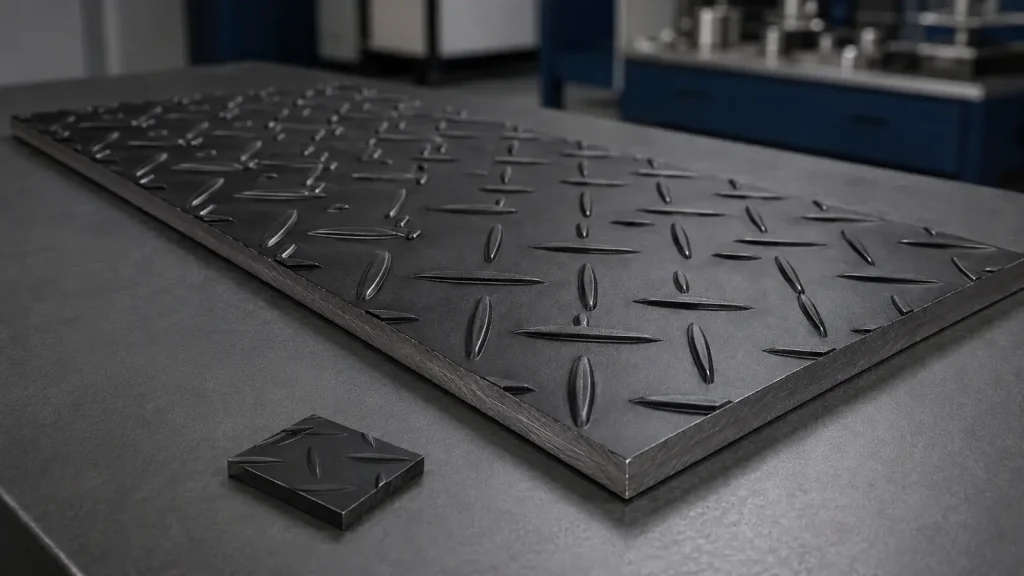
Buyers should evaluate black anodized aluminum tread plate as a complete material-and-finish specification, not as a black decorative surface alone. A workable purchase specification identifies the al…
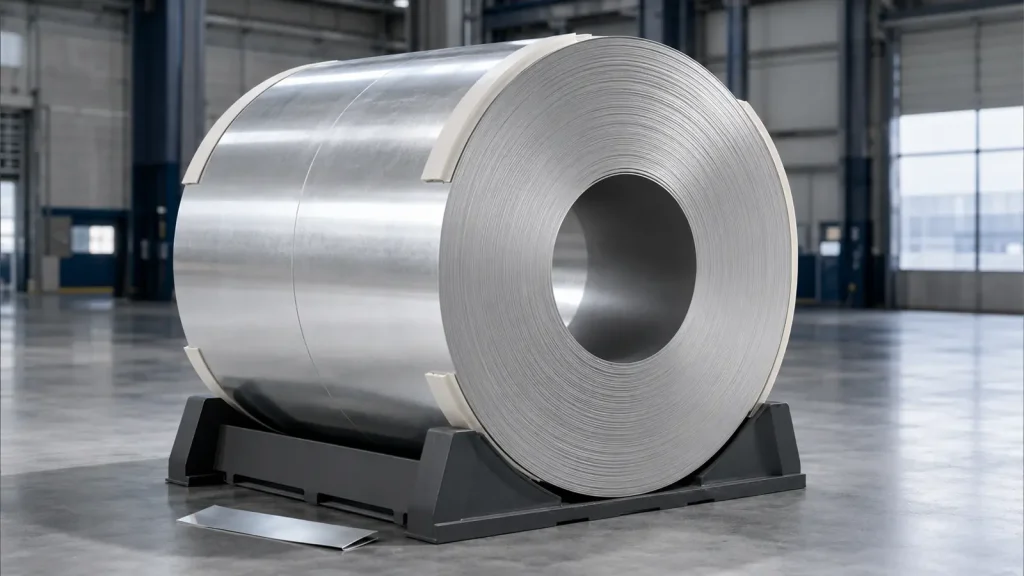
Before production, buyers should freeze the 5083 aluminum coil’s governing material standard, temper, thickness and tolerance, width and edge condition, coil inside diameter, maximum outside dia…
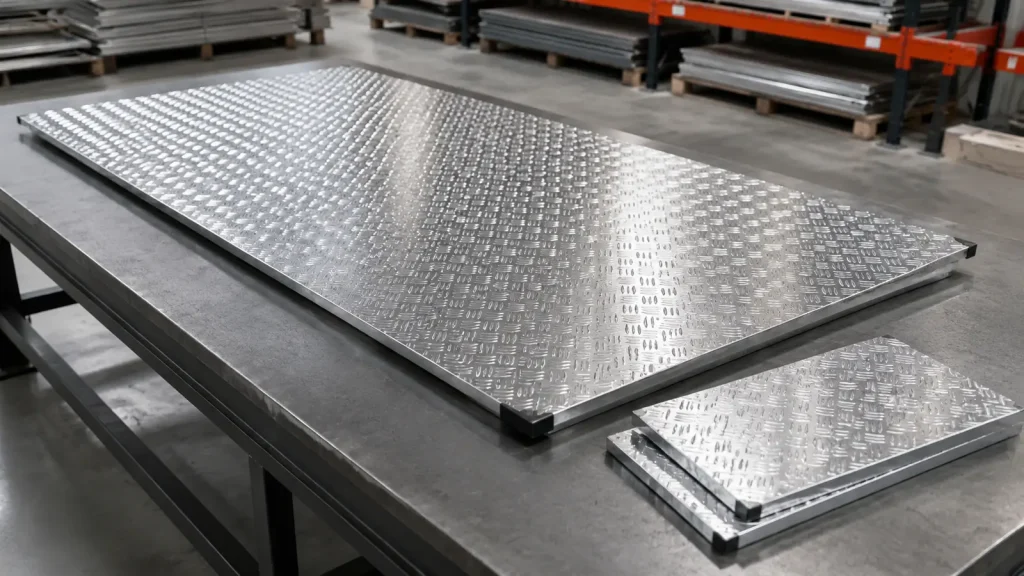
A 4×8 aluminum checkered plate order should define much more than nominal sheet length and width. Buyers need to state the alloy and temper, base-metal thickness, raised pattern, finished dimensi…
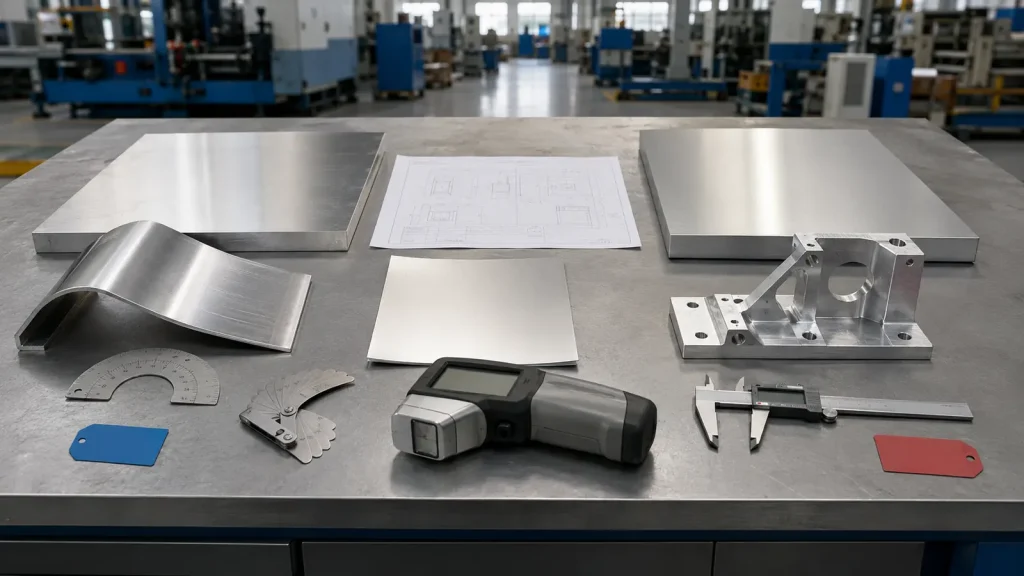
6061-T4 and 6061-T6 are not different aluminum alloys; they are different temper conditions of alloy 6061. Buyers should not treat T6 as a universally “better” version of T4. The correct t…
Buyer comments on this page can help when checking product specifications, comparing supplier options, preparing an RFQ, or reviewing export order needs. Use them as reference points alongside your own drawings, samples, and project requirements.
I used this tag page to frame my questions around DIY 3D printer aluminum profile dimensions, slot style, and cutting requirements before contacting suppliers.
I found it useful for separating general aluminum extrusion questions from the details that matter for a DIY 3D printer aluminum profile build.
I was comparing frame rail options, and this page helped me list the DIY 3D printer aluminum profile points to confirm before sending drawings.
I needed a practical checklist for a small printer build, and the DIY 3D printer aluminum profile topic kept my inquiry specific and organized.
Include profile series, slot size, length tolerance, surface finish, machining requirements, end-use assembly drawings, annual demand estimate, packaging needs, and sample approval process. This helps align quotation scope with OEM project planning.
Request samples based on the final drawing or target frame design, then check straightness, surface finish, slot fit, cut accuracy, and compatibility with fasteners. Confirm any machining changes before moving to batch discussion.
Key details include alloy selection, profile cross-section, T-slot compatibility, wall thickness, cutting tolerance, anodized surface requirements, and matching connectors. These factors affect assembly rigidity, appearance, and compatibility with planned printer components.
Ask lead-time questions by separating sample preparation, drawing confirmation, extrusion or machining steps, surface treatment, packaging, and export documentation. Avoid assuming a fixed schedule until specifications and order scope are confirmed.
Clarify whether profiles need film protection, bundled packing, end protection, carton or pallet preference, labeling, and separation of machined parts. Packaging should match profile length, finish sensitivity, and the buyer’s warehouse handling process.
Compare profiles by slot standard, weight, rigidity, finish, machining feasibility, connector availability, and assembly needs. A shortlist should focus on application matching rather than selecting only by appearance or profile size.
Send your inquiry with profile size, drawing or sample reference, quantity range, finish requirement, packaging needs, destination, and expected timeline. Clear information helps the supplier reply with a more accurate product recommendation and quotation path.