
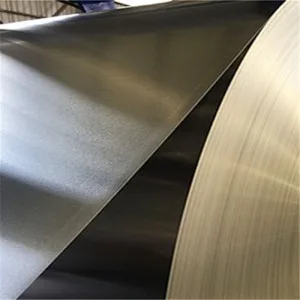
5052 Aluminum Coil sheet
Aluminum coil is a metal product that is subjected to flying shear after rolling and bending corner processing by a casting and rolling mill. Aluminum coils are widely used in electronics, packaging, …
Read MoreHow to Bend Aluminum Coil: China Sourcing Guide to Manufacturers, Suppliers & Factories | SUZHOU TOP METAL MATERIALS CO.,LIMITED
Use this page to evaluate China How to Bend Aluminum Coil Manufacturer, Factory & Suppliers from the perspective of sample approval workflow. It brings together related products, practical selection checks, and buyer questions so your inquiry can be more specific from the beginning.
For a wholesale buyer, the most useful starting point is application fit and specification clarity. Review the product matches, comparison notes, FAQs, and recent buyer-style feedback before sending final requirements.
Aluminum coil is a metal product that is subjected to flying shear after rolling and bending corner processing by a casting and rolling mill. Aluminum coils are widely used in electronics, packaging, …
Read More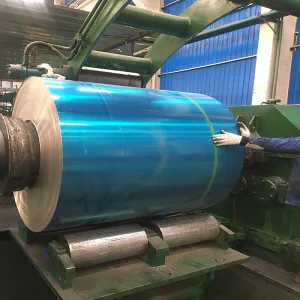
1080 aluminum coils is industrial pure aluminum, with high plasticity, corrosion resistance, electrical conductivity and thermal conductivity, but low strength, heat treatment can’t strengthen cutting…
Read More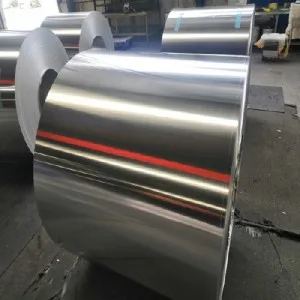
Aluminum coil is a metal product that is subjected to flying shearing after rolling and bending processing in a casting and rolling mill. Aluminum coils are widely used in electronics, packaging, cons…
Read More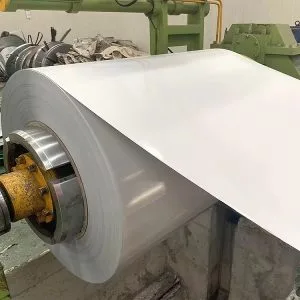
Color coated aluminum coils are light in weight but high in strength and have good wind pressure resistance, making them suitable for use as building materials.
Read More
1050 aluminum strip coil are often used in daily necessities, lighting fixtures, reflectors, decorations, chemical industry containers, heat sinks, signs, electronics, lamps, nameplates, electrical ap…
Read More
Marine Grade aluminum plate sheet coil has excellent resistance against seawater and industrial chemicals, It is applicable for the manufacturing of different kinds of ships…
Read MoreSupplier comparison
The related product list helps you compare China How to Bend Aluminum Coil Manufacturer, Factory & Suppliers by actual product direction rather than keyword wording alone. Check whether each product supports sample approval workflow, then use the table below to prepare a clearer RFQ.
| Criterion | What To Check | Why It Matters | Buyer Tip |
|---|---|---|---|
| Alloy and temper | Request alloy, temper, and standard | Bendability depends on material condition | Include target bend radius |
| Coil dimensions | Confirm thickness, width, and tolerance | Dimensions affect tooling and fit | Send application drawings if available |
| Sample approval | Define sample size and test method | Creates a consistent approval basis | Record cracks, springback, and finish |
| Quotation details | Specify quantity, core, and delivery term | Enables comparable supplier quotes | Separate sample and bulk pricing |
| Export packaging | Confirm coil orientation and protection | Reduces handling and transit uncertainty | State moisture and edge-protection needs |
To source how to bend aluminum coil from China, compare suppliers by material specification, coil dimensions, temper, finish, customization process, sample support, and communication. Share the application, required quantity, destination, and approval criteria when requesting information.
A useful supplier comparison should connect each product option with your bending method, appearance requirements, packaging needs, and purchasing schedule. Ask for samples or technical clarification before confirming a bulk order.
Begin by explaining the application and bending process you expect to use. Include the required alloy or material grade, temper if known, thickness, width, coil weight, surface finish, and any appearance limits. If the specification is not final, identify which items are open for supplier recommendation.
For sample approval, send drawings, photos, reference samples, or target dimensions where available. Ask the supplier to confirm what can be produced, what information is needed for customization, and whether the proposed sample will represent the planned bulk-order specification.
Prepare quotation details before contacting several suppliers. State the estimated quantity, destination, delivery preference, packaging requirements, labeling needs, and requested trade terms if applicable. Also ask about sample timing, production lead time, inspection arrangements, and export packing.
When reviewing replies, compare how clearly each supplier addresses your application rather than comparing price alone. Check whether the quotation identifies the material, dimensions, tolerance, finish, quantity basis, packaging, and lead-time assumptions. Clear answers make sample approval and later order confirmation easier to manage.
| Criteria | Importance | Description | Example Options |
|---|---|---|---|
| Material specification | High | Defines forming and application fit | Alloy, temper, thickness |
| Bend requirements | High | Clarifies forming expectations | Radius, angle, tolerance |
| Sample approval | High | Supports pre-bulk validation | Drawing, trial piece, feedback |
| Packaging | Medium | Aligns transport and handling needs | Edge protection, labeling |
| Product format | Medium | Compares coil, sheet, or strip | Continuous coil versus cut lengths |
Recommended Products
Top product matches should be reviewed by fit, specification clarity, customization readiness, and how well they support supplier comparison. Use these factors to shortlist practical options before contacting the supplier.

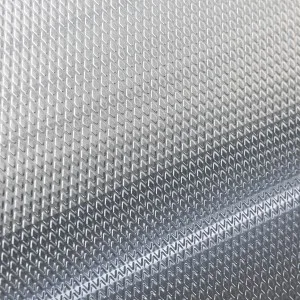




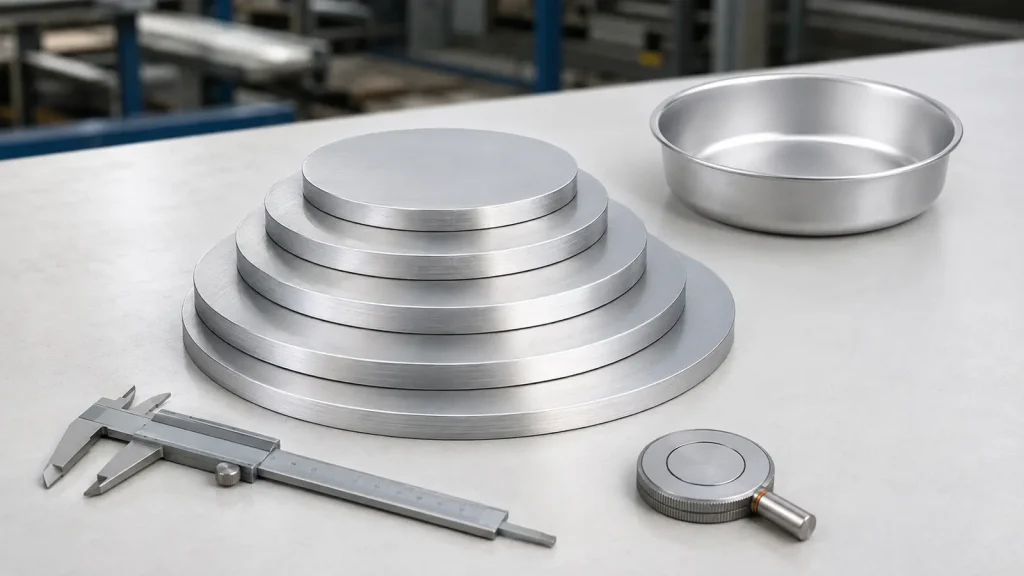
Direct Answer: Buyers should evaluate a versatile aluminum circle plate disc against the finished part and forming route, then confirm alloy, temper, thickness, diameter, dimensional tolerance, edge c…
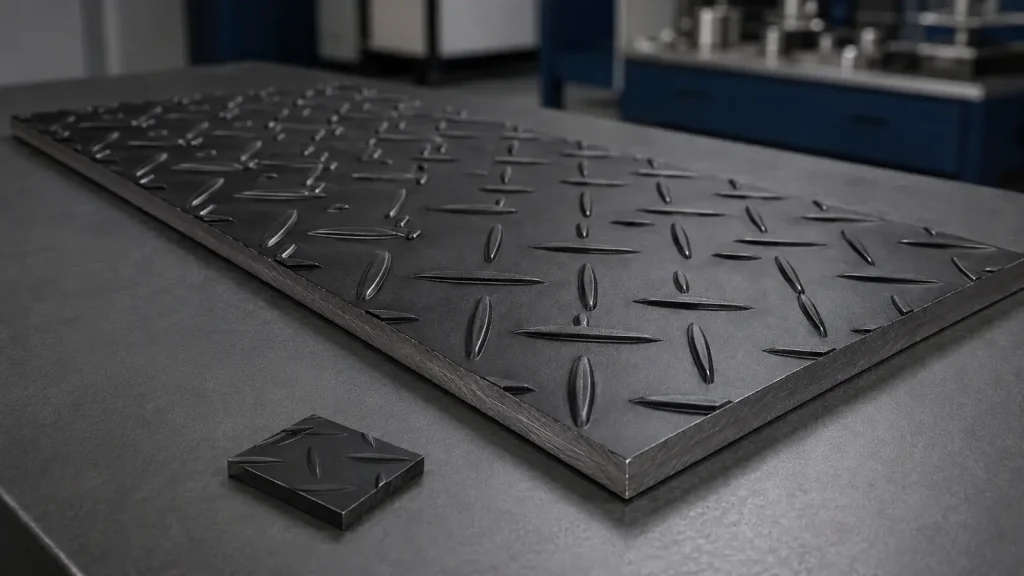
Buyers should evaluate black anodized aluminum tread plate as a complete material-and-finish specification, not as a black decorative surface alone. A workable purchase specification identifies the al…
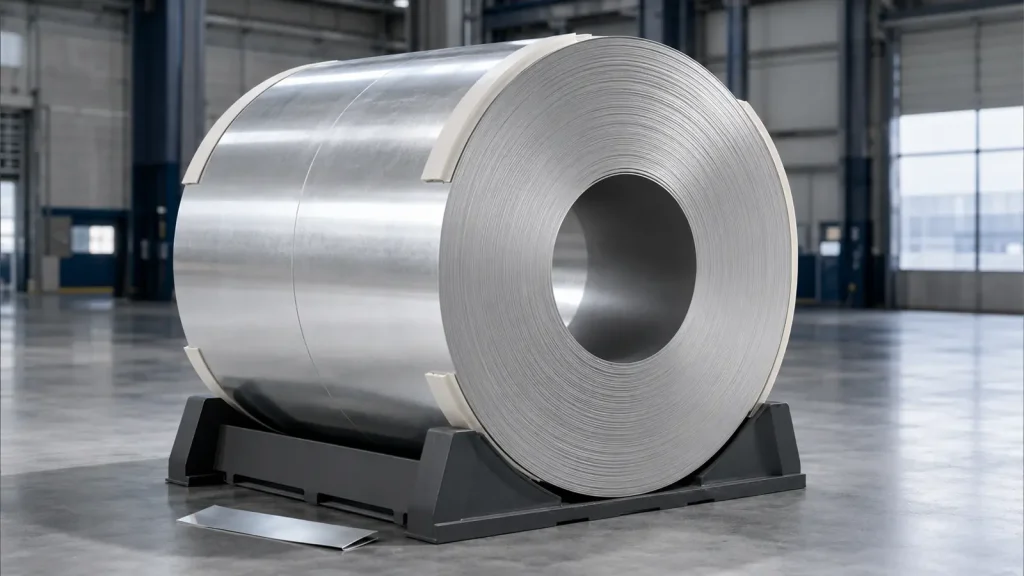
Before production, buyers should freeze the 5083 aluminum coil’s governing material standard, temper, thickness and tolerance, width and edge condition, coil inside diameter, maximum outside dia…
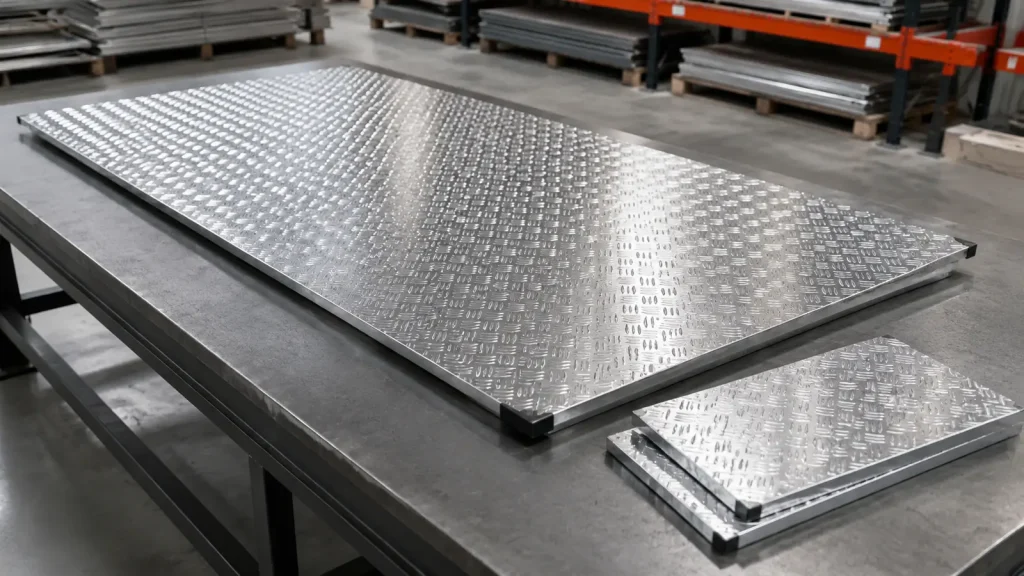
A 4×8 aluminum checkered plate order should define much more than nominal sheet length and width. Buyers need to state the alloy and temper, base-metal thickness, raised pattern, finished dimensi…
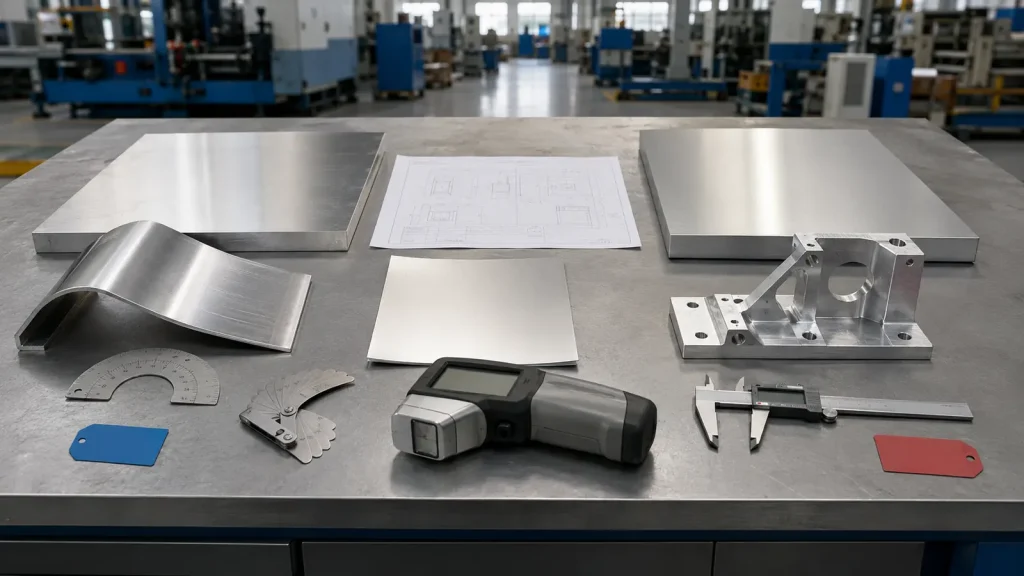
6061-T4 and 6061-T6 are not different aluminum alloys; they are different temper conditions of alloy 6061. Buyers should not treat T6 as a universally “better” version of T4. The correct t…
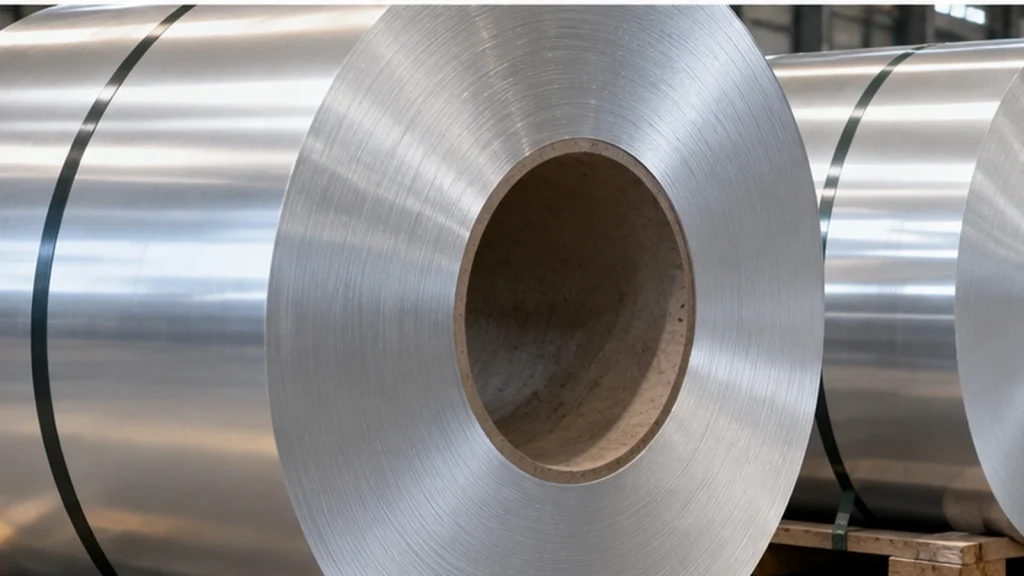
When evaluating an aluminum coil prices supplier in China, buyers should verify supplier evidence and product fit before comparing the headline price. For a 5052 aluminum requirement, the RFQ should d…
Recent buyer-style notes can help you frame practical comparison questions around sample approval workflow.
I was comparing bending methods for an aluminum coil enclosure, and this page helped me identify the radius, tooling, and material temper questions to include in supplier discussions.
I used this information to outline how I want the aluminum coil bent, including bend direction, minimum radius, and surface protection for our fabricated panels.
Before requesting samples, I reviewed the notes on how to bend aluminum coil so I could ask suppliers about cracking, springback, and suitable forming equipment.
Our team used the bending guidance to compare aluminum coil options and clarify whether the selected temper could handle our curved profiles without visible distortion.
Share the alloy, temper, coil thickness and width, bend radius, forming method, end use, sample requirements, estimated volume, and destination. These details help the supplier assess application fit and prepare comparable technical responses.
Before requesting a bulk quotation, organize approved drawings or sketches, target dimensions, tolerance expectations, coil specifications, quantity by item, packing preferences, and sample approval status. This reduces clarification during order review.
Ask when production can begin after specification and sample approval, which information affects scheduling, how packing instructions influence readiness, and whether partial shipment needs discussion. Request timing as an estimate, not a promise.
Specify coil orientation, edge protection, moisture control, labeling, pallet or skid preferences, loading constraints, and destination handling conditions. Confirm whether packaging must support export transport and preserve samples or production coils during handling.
A useful RFQ should identify alloy and temper, thickness, width, inside bend radius, coil weight or length basis, tolerances, quantity, destination, packaging needs, surface requirements, sample expectations, and requested commercial terms.
Compare aluminum coil with cut-to-length sheet or narrow strip by forming method, dimensional control, handling, surface needs, and downstream equipment. Ask the supplier which format better matches your bending process and sample approval plan.
Tell us your how to bend aluminum coil requirements, quantity, destination, and expected application. Include details related to application fit and specification clarity for a more useful reply.