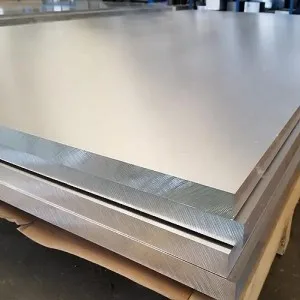
Large Aluminum Sheet Metal Selection Guide | SUZHOU TOP METAL MATERIALS CO.,LIMITED

Large Aluminum Sheet Metal for Panels and Fabrication

Large aluminum sheet metal can reduce seams in panels, enclosures and cladding, but a sheet that fits the drawing may still be difficult to move, cut or keep flat during fabrication. Start with the finished part dimensions, then decide whether a single large sheet offers enough benefit to justify the handling and transport demands.

Related Products

Stucco Embossed Aluminum Sheet

Stucco Embossed Aluminum Sheet

A stucco embossed finish is designed to have superior durability, reduce glare and reflectivity, and also to give aluminum a decorative finish. The stucco aluminum sheet is also a finish that can stan…

Read More
Thick Aluminum Sheet

Thick Aluminum Sheet

The next finer classification is the aluminium sheet standard sizes. Standard aluminium sheet sizes include aluminium sheet metal thickness, width and length. When ordering aluminum alloy sheet, custo…

Read More

Match sheet size to the finished part

Sheet selection

Compare large sheets by usable dimensions, alloy and temper, thickness, surface condition and flatness requirements. The right combination depends on the finished part and how it will be cut, formed or supported.

Criterion What To Check Why It Matters Buyer Tip
Usable sheet size Compare the required cut size with the sheet’s available dimensions and edge allowance. A sheet can be nominally large enough but still leave too little material for trimming. What usable dimensions remain after edge trimming?
Thickness and flatness Specify thickness tolerance and the flatness needed across the full sheet, not just at one point. Thickness variation and waviness can affect fit, appearance and downstream cutting. What thickness and flatness tolerances can you confirm for this sheet size?
Alloy and temper Match the alloy and temper to the planned bending, machining or forming work. A stronger temper may resist forming, while a softer one may not suit the finished part. Can you confirm the alloy and temper for the dimensions requested?
Surface and grain direction State which face will be visible and whether brushing, coating or rolling direction matters. Large panels make surface marks and inconsistent direction more noticeable. Can the visible face and required grain direction be identified before cutting?
Handling and delivery format Agree on protective film, packing support and whether sheets arrive full-size or cut. Large sheets are more exposed to edge damage and bending during handling. How will the sheets be protected and supported in the agreed delivery format?

Balance flatness, finish and handling

The key distinction is between the size you need for the finished part and the size you need to buy. A cutting layout may allow several parts to come from one sheet, while a visible panel may need an uninterrupted surface with a consistent finish. In either case, allow for trimming and the direction of any visible grain before settling on sheet dimensions.

Thickness also changes the decision. Thinner sheet may suit formed covers but can show waviness across a broad, unsupported area; thicker material may improve stiffness while adding weight and changing fabrication requirements. Confirm the thickness, alloy and temper against the intended forming, joining and service conditions rather than selecting by size alone.

Check the finished panel against the available support and fastening layout. A broad panel can flex or show distortion even when its material is suitable for the environment. If appearance or flatness is critical, state how the part will be supported and which face will be visible.

Choose the surface condition for the next operation. An unfinished sheet may be appropriate for further fabrication, while a specified decorative or protective finish needs attention to handling marks and finish consistency. If the sheet will be anodized, distinguish the required base-metal thickness from any coating requirement.

Plan how the material will reach the machine and the installation site. Oversized sheets need suitable equipment and space for unloading, storage and cutting. Buying smaller blanks may simplify handling, but it can add joints or limit the cutting layout. Do not assume that the largest possible sheet is the least wasteful option.

Send SUZHOU TOP METAL MATERIALS CO.,LIMITED a drawing or finished-part dimensions, the intended use, and your preferred thickness and surface condition. Ask which sheet sizes and processing options can meet the job, and confirm packaging and flatness expectations before placing an order.


Criteria Importance Description Example Options
One-piece sheet versus joined panels Most important when visible seams are unacceptable. A one-piece sheet preserves a continuous face; joined panels can ease handling and replacement. A display panel may favor one piece, while a concealed enclosure side may accommodate a joint.
Usable size versus nominal size Critical when the finished part approaches the sheet dimensions. Allow for edge trimming, cutting layout and any directional finish before choosing the starting size. A panel that needs clean trimmed edges requires a starting sheet larger than its finished dimensions.
Alloy and temper Decisive if the part must be formed rather than only cut. Different combinations can change formability and strength; select them for the fabrication steps and service conditions. A bent cover and a flat supported panel may call for different material choices.
Thickness and support Important for broad areas where visible flex or waviness matters. More thickness may add stiffness and weight, but it does not replace an appropriate support design. A wide unsupported face needs different consideration from a sheet fixed to a rigid frame.
Surface condition Essential for visible or subsequently finished parts. Specify the visible face and whether the sheet will be supplied unfinished or prepared for a later finish. A decorative panel needs closer attention to handling marks than a blank that will be covered.

Product Selection

Related Options

For a wide visible panel, prioritize a usable one-piece size and an agreed surface condition before optimizing the cutting layout. For parts cut from the same sheet, layout efficiency and manageable blank size may matter more than maximum sheet width.

Blog Articles / Reviews

6061 0 Aluminum Sheet: What Should Buyers Verify?

6061 0 Aluminum Sheet: What Should Buyers Verify?

A request for 6061 0 aluminum sheet is a temper-specific purchasing question, not simply a request for generic 6061 sheet. That distinction matters when a buyer compares supplier quotations. TOP METAL…

Frequently Asked Questions

Is a single large sheet suitable for an exterior panel?

It can provide a continuous face, but panel size alone does not establish suitability. The design needs to account for support, fastening, thermal movement and the exposure conditions.

Would smaller panels be a better choice?

Smaller panels are easier to handle and may be simpler to replace if damaged. They introduce joints, so compare that trade-off with the appearance and installation needs of the finished assembly.

Does a larger sheet stay flatter than a smaller one?

No. Sheet size does not guarantee flatness, and a broad panel can show distortion after cutting or fabrication. If flatness matters, define where and how it will be assessed on the finished part.

Is sheet thickness the same as the final thickness after anodizing?

Not necessarily. Base-metal thickness and anodized coating thickness are separate requirements; state which dimension the drawing controls.

What should I provide to check a one-piece panel?

Provide the finished dimensions, any required trim allowance, the visible face and the intended finish. Ask SUZHOU TOP METAL MATERIALS CO.,LIMITED to confirm a suitable usable sheet size and how it would be protected for delivery.

Leave Your Message

Share the finished dimensions or drawing, intended application, and required thickness and surface condition so the sheet size and options can be checked.