Mirror Polished Aluminium Sheet Selection Guide | SUZHOU TOP METAL MATERIALS CO.,LIMITED

Mirror-Polished Aluminium Sheet for Reflective Parts

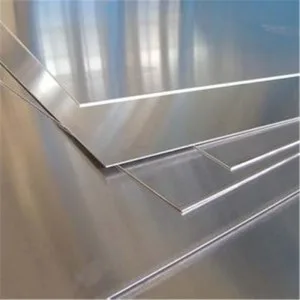
Mirror-polished aluminium sheet gives display panels, decorative cladding and lighting components a bright reflective face without the weight of glass. The main decision is how sharp and consistent the reflection must be after the sheet is cut, formed and installed.

Related Products

Match the reflective face to the finished part

Sheet selection

Compare sheet options by surface appearance, base metal and temper, dimensions, and protection of the finished face. The right balance depends on whether the part is primarily decorative, formed or used to direct light.

Criterion What To Check Why It Matters Buyer Tip
Mirror finish Compare a physical sample under the lighting used in the finished product; look for haze, polishing lines and image distortion. Two reflective sheets can look noticeably different once installed side by side. Can you provide a finish sample for approval before the order?
Alloy and temper Confirm the specified alloy and temper against any bending or forming planned after polishing. A sheet that suits a flat panel may crack or lose its appearance around a tight bend. Will the sheet be formed, and if so, what bend geometry must it accommodate?
Thickness and flatness State the required thickness, cut size and acceptable flatness, then inspect a sample at the intended panel size. Waviness and handling marks become conspicuous on large mirror surfaces. What panel dimensions and mounting method should the sheet suit?
Exposure and cleaning Describe where the sheet will be used and ask what surface treatment, if any, is proposed. Bare polished aluminium and protected finishes can differ in resistance to staining, abrasion and cleaning. What will touch the surface, and how will it be cleaned?
Surface protection Confirm which face needs protective film and how sheets will be separated and packed. Scratches introduced during cutting, transit or installation can remain visible in the finished panel. At what stage will the protective film be removed?

Finish, forming and handling decisions

A mirror-polished surface is not necessarily an optical mirror. Fine polishing lines, slight waviness or handling marks may be acceptable on a decorative panel but noticeable in a lighting reflector or a large flat display. Describe the viewing distance and, if possible, provide an approved sample so the finish can be judged against the finished application.

Also distinguish a polished metal surface from a coated reflective finish. A coating may change the appearance and maintenance requirements; polishing alone does not establish a particular level of corrosion or scratch resistance.

Start with the finished part. State whether the reflective face will remain flat, be bent or be bonded to a backing. Sheet thickness, alloy and temper affect stiffness and formability; a highly polished face will make distortion and forming marks easier to see.

Agree on what the visible face must look like before ordering. Specify whether polishing lines, haze, edge marks or variation between sheets are acceptable. A sample viewed under the installation lighting is more useful than the word “mirror” alone.

Plan for fabrication and handling. Ask which face is finished, how it will be protected in transit and whether the protective film suits your cutting or forming process. Cutting through an unprotected face or removing film too early can leave marks that are difficult to hide.

For outdoor or frequently cleaned parts, discuss exposure and cleaning methods rather than assuming a bright finish will stay unchanged. Send SUZHOU TOP METAL MATERIALS CO.,LIMITED a drawing or size list, the intended use and a finish reference, then ask which sheet options can meet them.

Criteria Importance Description Example Options
Reflection quality Critical when reflected shapes or directed light matter Compare clarity, haze and visible polishing lines at the intended viewing distance; brightness alone does not describe the reflection. A display trim can tolerate a softer reflection than a panel intended to reflect a crisp image.
Flatness and panel size More important as visible areas grow Larger uninterrupted surfaces can reveal waves that are hard to notice in a small sample. Assess a full-size wall panel under its planned lighting rather than judging only a hand sample.
Alloy, temper and forming Decisive if the sheet must be bent or remain rigid Base-metal choice affects forming behaviour and stiffness independently of the polished finish. A formed cover and a flat bonded panel may call for different sheet choices.
Bare polished versus coated surface Relevant to exposure and cleaning A coating changes the surface being cleaned and may affect appearance at bends and edges; a polished metal face has different maintenance considerations. Compare samples after the cleaning method planned for the finished part.
Face protection and handling Important when appearance is inspected after fabrication Confirm which side is finished and how it stays protected through cutting, transport and assembly. Mark the visible face on the drawing so fabrication does not expose it to unnecessary handling.

Blog Articles / Reviews

6061 0 Aluminum Sheet: What Should Buyers Verify?

6061 0 Aluminum Sheet: What Should Buyers Verify?

A request for 6061 0 aluminum sheet is a temper-specific purchasing question, not simply a request for generic 6061 sheet. That distinction matters when a buyer compares supplier quotations. TOP METAL…

Frequently Asked Questions

Can this sheet be used in a lighting reflector?

It may suit a decorative reflector, but a bright appearance does not establish optical performance. If light distribution matters, ask for reflectance data and evaluate a sample in the intended fixture.

How does a polished sheet differ from a coated reflective sheet?

A polished sheet gets its reflective appearance from the metal surface; a coated sheet adds a separate finish. Compare them for the reflection you need, the planned cleaning method and how any coating will behave at cut edges or bends.

Does “mirror polished” mean the reflection will be distortion-free?

No. Surface polish and sheet flatness are separate characteristics, so a bright sheet can still show a wavy reflection, especially across a large panel. Check a suitably sized sample if reflected shapes need to look straight.

What should I confirm if the sheet will be bonded to a backing?

Identify which face will be bonded and check that its surface is compatible with the adhesive and preparation method you plan to use. Also confirm that the backing and bonding process will not introduce visible ripples into the reflective face.

What should I send with a purchasing inquiry?

Send the sheet dimensions and quantity, a drawing if parts will be cut, and a finish reference or approved sample. Note which face will remain visible, whether the sheet will be formed, and any appearance limits that matter at acceptance.

Leave Your Message

Share your required sheet dimensions, intended application and a photo or sample showing the reflection quality you need.