China Polished Anodized Aluminum Sheets: Manufacturer Questions | SUZHOU TOP METAL MATERIALS CO.,LIMITED

China Polished Anodized Aluminum Sheets: Manufacturer Questions

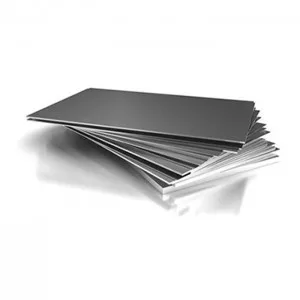
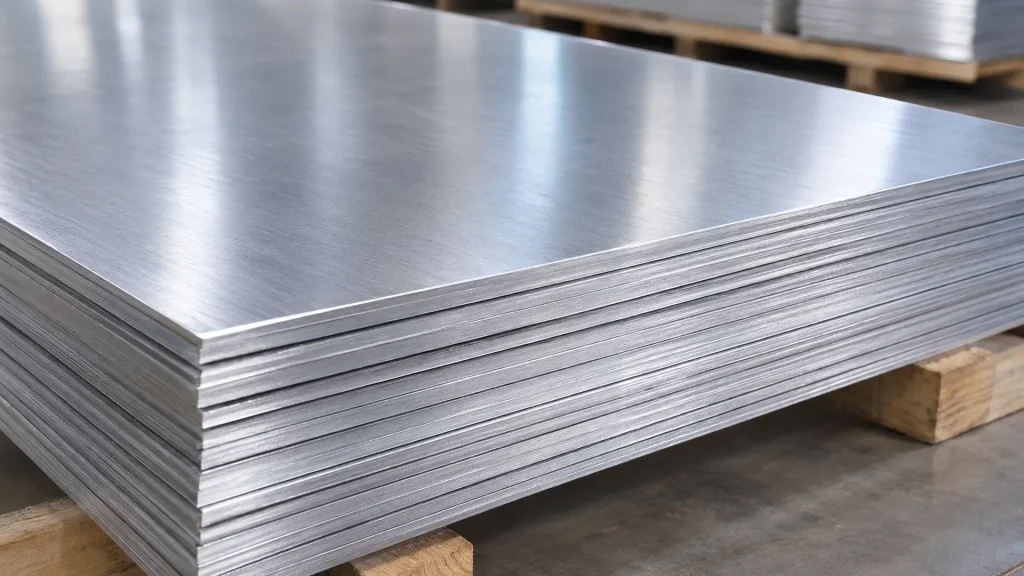
Polished anodized aluminum sheets suit visible panels, trim and enclosures where appearance and a protective finish both matter. The key decision is how much reflectivity the finished sheet needs: polishing the metal creates the shine, while anodizing can change its final look.

Related Products

Match the sheet to the visible finish

Sheet selection

Compare candidate sheets by base-metal thickness, finished appearance, visible-face requirements and planned fabrication. Confirm the look with a finished sample rather than judging an unfinished polished sheet.

Criterion What To Check Why It Matters Buyer Tip
Polished appearance Compare physical samples under the lighting used in the finished product. Gloss and visible polish lines can differ even when sheets have the same stated finish. Ask the manufacturer which face is polished and whether a directional finish can be kept consistent.
Base sheet thickness Confirm the specified metal thickness and tolerance separately from the anodized coating. The base sheet determines fit in frames and other close-fitting parts. Ask suppliers to state whether the quoted thickness refers to the base metal or the finished sheet.
Alloy, temper and forming Match the proposed alloy and temper to any bends or fabrication planned after delivery. A polished anodized surface can show marks or crack if a part is formed without accounting for the material and finish. Tell the factory which features must be formed, and ask whether finishing should happen before or after fabrication.
Anodized finish and color Approve a sample for color, surface consistency and the intended indoor or outdoor exposure. Anodizing changes the appearance of polished metal, and an approved sample gives both sides a clear reference. For a purchase from China, ask how the approved finish will be identified on the order.
Visible-face protection Confirm the required protective film, handling method and acceptable marks near cut edges. Scratches and edge marks are especially noticeable on reflective panels. Specify which face remains visible after installation and ask how it will be protected in transit.

Decide on finish, thickness and fabrication order

A polished sheet and a polished anodized sheet are not interchangeable. Anodizing adds a surface layer, but the finished appearance depends on the base metal, polishing method and anodizing process. A sample viewed under your project lighting is more useful than a request for “mirror finish” alone.

If parts need bends or cutouts, decide when those operations will happen. Fabrication after anodizing can expose untreated edges or mark the visible face; fabrication before finishing may give a more consistent appearance.

Start with the visible requirement. Specify the desired gloss, acceptable polish direction and which face will be exposed. For adjacent panels, ask how color and sheen will be matched across sheets.

Separate sheet thickness from anodized-layer requirements. State the base-metal thickness needed for the part, then discuss the finish separately; treating both as one thickness can lead to the wrong material choice.

Consider handling as well as appearance. A highly reflective surface makes scratches and handling marks easier to see. Ask about protective film and packaging if sheets will be cut, stored or transported before installation.

If sourcing from China, ask the manufacturer who controls the polishing and anodizing steps. Suppliers may coordinate more than one operation; if factory-level process control matters to your project, confirm where each step occurs. Send a drawing and finish reference to clarify the inquiry.

Criteria Importance Description Example Options
Base-metal choice Important when parts must be formed or retain a particular appearance after finishing. The alloy and temper affect fabrication behavior and can influence the finished look. Select them for the part, not just for the polish. A bent enclosure cover and a flat decorative panel may call for different base-metal choices.
Finish alternative Decisive when the design calls for either a metallic reflection or an opaque, uniform color. Compare polished anodized sheet with painted sheet based on the desired visual effect, rather than treating the finishes as equivalent. A metallic trim detail may favor anodizing; a solid-color panel may favor paint.
Service environment Important for exposed installations or surfaces cleaned frequently. Describe where the sheet will be installed and what it may contact so the finish can be assessed for that setting. An indoor display surround faces different exposure than an exterior sign panel.
Contact and wear points Important where fasteners, electrical connections or regular handling meet the finished face. Identify functional contact areas separately from decorative areas; the same surface condition may not suit both. A visible cover can have a polished face while its specified electrical contact point needs separate review.

Product Selection

Related Options

For a large decorative panel, consistent sheen across neighboring sheets may matter more than maximum shine. For a smaller trim part, edge appearance and resistance to handling marks may drive the finish choice.

Blog Articles / Reviews

Frequently Asked Questions

Are these sheets suitable for exterior panels?

They can be considered for exterior use, but the exposure conditions and finish choice matter. Describe the location, cleaning method and expected appearance over time, then confirm that the proposed sheet and anodized finish suit that use.

How does a polished anodized finish compare with a painted finish?

Polished anodized aluminum retains the visual character of the metal beneath the finish. Paint offers different color and coverage options and may be a better choice when a uniform opaque appearance matters more than a metallic look.

Does anodizing make the polished face scratchproof?

No. Anodizing changes the surface, but visible marks can still occur, especially on a reflective face. Consider how the panels will be handled, cleaned and viewed in service.

Can the finished sheet be used where electrical contact is needed?

Do not assume the anodized surface will provide a reliable electrical contact. Identify any contact points on the drawing and discuss the required surface condition with the supplier before ordering.

What should be agreed before approving a production order?

Agree on a finished reference sample and how visible differences between delivered sheets will be assessed. Include the quantity, sheet dimensions and which faces must meet the appearance requirement.

Leave Your Message

Tell us the sheet size and base-metal thickness, the appearance you want, and whether the parts need cutting or bending. A finish reference or drawing will help clarify the request.